Editor’s Note: This story includes mention of sexual assault and other sensitive subjects. Resources are available here.
The newest fabrication of Ryan Murphy, “Monster: The Lizzie Borden Story,” released Sept. 17 on Netflix, takes a massively inaccurate and disturbingly sexual focus on Lizzie Borden’s life and the gruesome 1892 murders of her father and stepmother in their Massachusetts home.
While I had some hope that a season centering a woman killer would be less depraved and more calculated than that of a man, “Monster: The Lizzie Borden Story” shows that everyone is equally subject to the show’s lies. With two men overseeing and creating the series, it was clear Murphy and Ian Brennan were missing a much-needed female perspective.
Ultimately, this series has become more about using notable names of actual murderers than true representation.
The show's first season, focusing on serial killer Jeffrey Dahmer, faced backlash for exploiting Black and queer communities. The next season,“Monsters: The Lyle and Erik Menendez Story,” inaccurately depicted the relationship of the brothers, who were charged with murdering their parents in their Beverly Hills mansion. And the season that followed, “Monster: The Ed Gein Story,” was bad both in its plot and fictitious necrophilia.
After the murders in 1892, public suspicion that Borden was the culprit grew when neighbor, Alice Russell, saw her burning a dress three days after the murders and attempting to buy prussic acid, a highly toxic compound, the day before the crime.
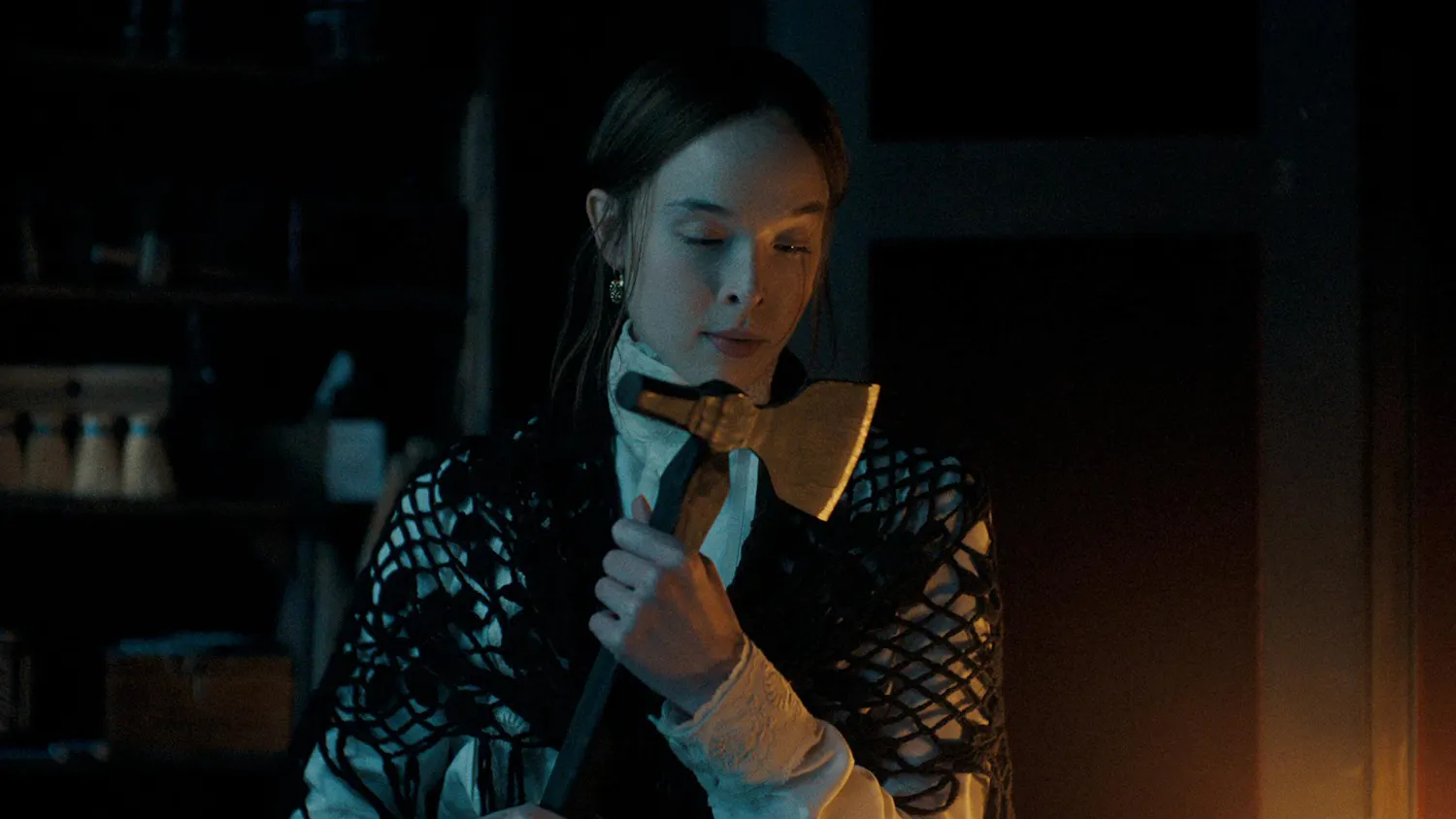
However, after being arrested in August 1892 and tried in 1893, she was acquitted and went on to live an isolated life. This season already begins in a bold manner, as within the first few minutes of the first episode, we see Lizzie (Ella Beatty) killing her father Andrew (Charlie Hunnam) and stepmother Abby (Rebecca Hall) in brutal fashion.
To this day, whether Lizzie Borden committed the murders has never been proven, so this season immediately begins with speculation rather than fact.
The season establishes Lizzie’s motives early on, portraying Abby as verbally abusive to her stepdaughter and strict with their housemaids. Andrew was seen as a highly disappointed and sexually promiscuous father. In reality, there is no proof there was abuse or infidelity within the family, and most real-life familial disagreements centered on finances.
I felt this was harmful because the audience began to develop a view on why these two horrible people had their murder coming. Yet there’s no evidence these victims were at all like they are depicted on screen, and so many who only watch the show will have a horrendous view of this family without knowing the facts.
Even though this was an untrue take on the story of the Borden murders, it was the tamest of the addition to the “Monster” series. Time after time, the “Monster” anthology has added unnecessary sexual encounters between characters that never actually happened, and this season is no different.
There is an immense difference between adding these relationships into a series like “American Horror Story,” where the on-screen scenarios are entirely scripted, and that of “Monsters,” which is based on real stories.
For example, the show portrays Andrew’s infidelity with the maid Bridget Sullivan (Vicky Krieps) and various other women. Or the relationship between Lizzie and Bridget that the show quickly builds after a kiss between the two. But these relationships never truly happened.
I also feel that showing Bridget as this calculated and authoritative figure guiding Lizzie through life disregards the power imbalance the family likely had with the maid.
While there’s nothing to suggest the real Borden family abused their maids like in the show, I certainly don't think it would be acceptable for the Bridget character to act like she does in the show, sleeping with the father and giving the parents a violent lapse of vomiting.
I didn't like the constant reoccurrence of these sexual themes, which felt out of place in a story surrounding fictionalized murders. It seemed like every character was having an affair, and it quickly felt like a drama show instead of one relating to true crime.
From a storytelling point of view, I can enjoy the ideas the season tries to get across. Adding Aileen Wuornos (Sarah Paulson), a Florida sex worker who killed seven men, to the latter half was an interesting modern bridge back toward Lizzie. Yet the two women don’t really have anything in common outside of this story this season creates around them.
And as is, I feel like the great cinematography and world building are overshadowed by the moral problems I have with this season and the series “Monsters” as a whole.
This new season continues to negate the gravity of each murder case. Clearly there is an incentive to make these false plotlines and conflicts to increase audience engagement, so Murphy keeps creating new seasons. Why not if there is clear economic benefit in doing so?