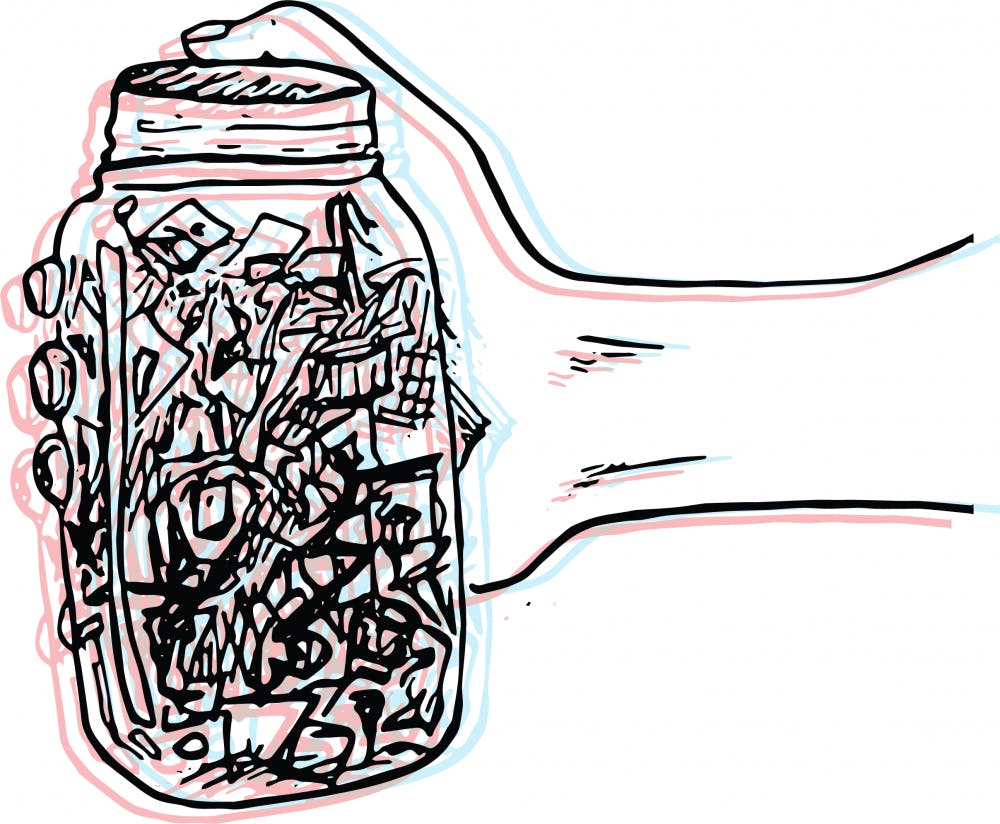
Scientists have been saying for years now how human consumerism and waste habits directly contribute to the planet’s alarming status. Earth is overrun by trash, crippled by farming industries and, if we do not change habits soon, unmatched climate change.
While at one time recycling items such as aluminum, glass, paper, cardboard or even clothes seemed like an adequate effort to helping save the planet, it is no longer cutting it. Regardless of if we are recycling, we are still creating waste, and we need to use less.
Every jar, clothing tag and food scrap will end up somewhere more often than not due to lack of recycling or improper disposal. Some places do not even offer recycling pickup, so everything goes into the trash.
I hope we all understand at this point that anything in the trash will remain in a landfill for years, even hundreds of years, and they do get full. In fact, they are overflowing right now, which is how our oceans are facing pollution on the same scale as our ground.
The "zero-waste lifestyle" means that no trash is created. That means no paper towels, no produce stickers, no to-go coffee cups or straws. People who subscribe intensely to this lifestyle often do not have trash cans in their homes because everything they use is either washable, recyclable or compostable.
This sounds absolutely incredible to live a life where you genuinely are not contributing to the demise of our planet as an ecosystem. Unfortunately, this lifestyle for several reasons is not attainable for everyone.
While going completely without waste is possible, it does take an incredible amount of planning, saving and, well, privilege.
It is not efficient to pose a call-to-action so inaccessible the majority of people cannot get on board.
Being zero waste depends heavily on your access to a grocery store with a bulk section, access to a refrigerator for fresh foods, access to affordable or free laundry facilities and the extra income you need to sometimes shop at these bulk stores or niche, eco-friendly supply stores.
It seems incredibly daunting when one researches the zero-waste lifestyle, but I think that the message might dig a little deeper.
I personally live in a house with five of my friends, all of whom love paper plates and plastic silverware. They don’t always understand why I recycle or why I keep jars, nor do they usually follow suit, but that doesn’t give me the right to lecture or force my life choices on anyone else.
All you can do is focus on yourself, your actions and hope to inspire those around you.
Zero waste does not mean all or nothing. Just because you do not have an affordable bulk store in your town does not mean you cannot replace plastic bags with reusable ones. If you really must have your favorite local coffee shop latte, bring your own reusable mug.
Any step toward altering our habits in terms of creating waste is a good one, and people should not be discouraged from a zero, or at least less, waste mindset just because they cannot afford to cut plastic out of their lives completely.
We should all be more focused on the ways we can do our part rather than feeling guilty for not being as strict as others or shaming those for not living as strictly as yourself.
Any effort, no matter the size, is greatly appreciated by the planet you have to live on.