The first day in Kenya, I broke the number one rule: don’t drink the water.
Although I only brushed my teeth with the tap water from the bathroom sink, I went to bed wondering if I was going to make it through the night.
Water is provided just like it is in America. Water is available through the tap of every sink and from spouts in the ground whenever you need a quick drink or wash on the street.
Now here is the advantage of being Kenyan — they can drink this when the hot sun beats down all day, we Americans cannot. The water contains bacteria and other chemicals that Kenyans are accustomed to, but we are not. So, we are forced to carry water bottles with us all day. Nothing to complain about, but another thing we have to remember when traveling throughout the land.
Water is just another luxury that we take for granted in the U.S. We know wherever we go, it will be clean and safe.drink. In Africa, it is different. You have to think about what is washed in water, such as food and dishes. When walking along the streets, vendors are selling hand-grown foods that look and smell delicious but are deemed unsafe to eat because we do not know how they were prepared.
I’m only able to order a salad at the more tourist-friendly restaurants. In Kenyan restaurants, raw veggies, nuts and fruits are washed in the local water.
At the IU House, where we are staying, there is a large tub constantly boiling water, which is then placed into individual jugs where the residents can replenish their water supply. There is also a pot on the kitchen counter filled with boiling water for tea and coffee.
It seems like such a simple thing, that fresh water is always available and free. At restaurants, because it comes in bottle form, water costs nearly as much as a soda beverage. And refills are just another bottle. And, unless absolutely certain it was boiled first, ice is not allowed.
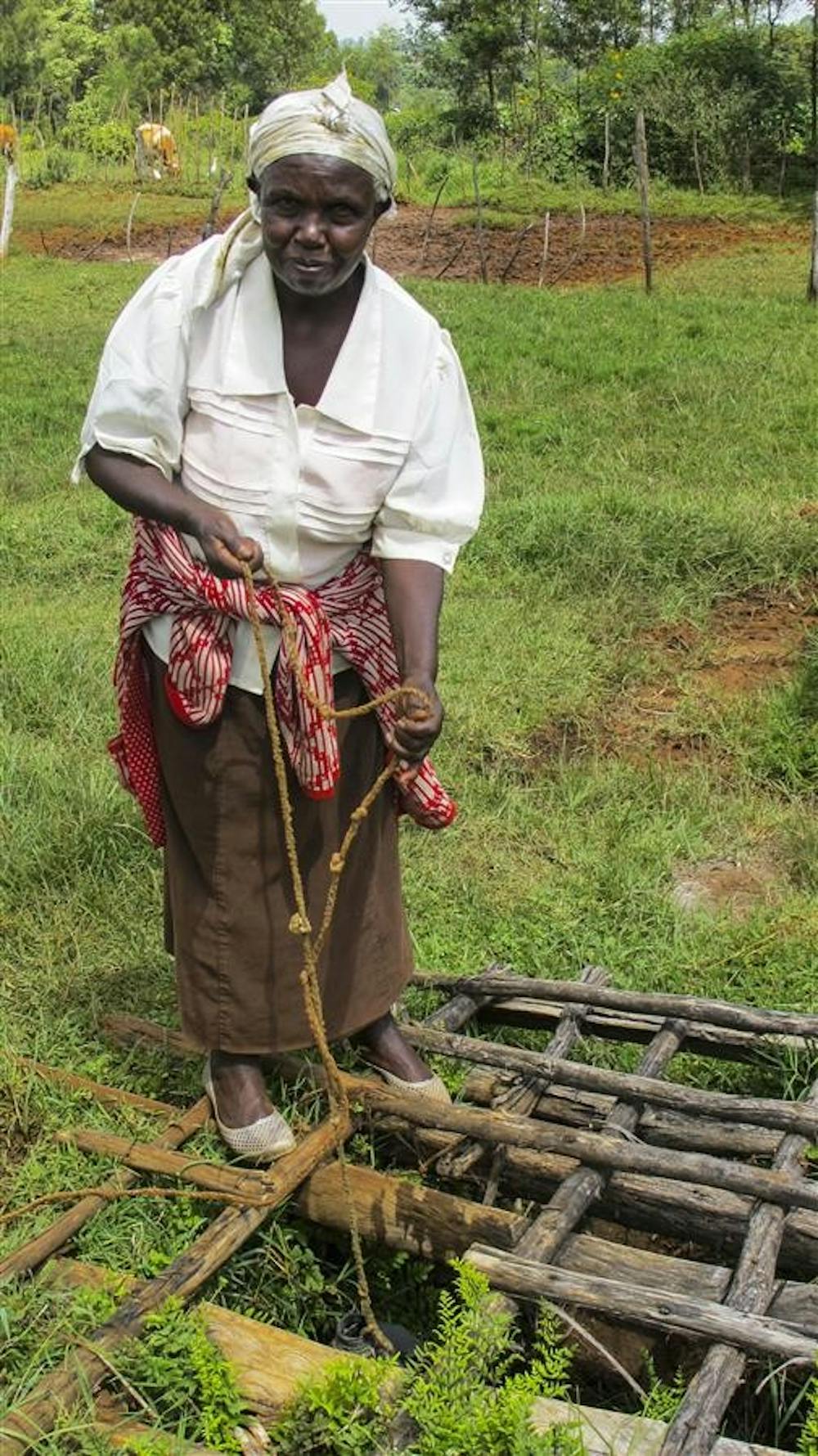
When I was out walking in the field, the woman I was talking with showed me a hand-dug well used to get water from the ground. It was a hole just a few feet wide, latticed over with branches so that animals could not get into it. On the ground next to is was a bucket cut open from a plastic bottle to retrieve the water. It was so simple, yet I couldn’t help but stare while she was showing me what to do.
For me being a swimmer and living on the shores of Lake Michigan, clean water is second nature. It is safe to drink, wash in, and while in the sport of swimming, be completely emerged in for hours.
It is one of the most abundant resources on the planet, yet in Kenya, it is off-limits.
— campbjess@indiana.edu
Column: Beware of the water?
Get stories like this in your inbox
Subscribe