Typically when a government — be it local, state or federal — initiates a new system or program to alleviate an issue, you would expect some small instance of development to occur. Sure, not all governmental programs fly. But it isn’t out of the question to anticipate some minor glimmer of positivity.
In 2010, the Department of Child Services formed a hotline in Indianapolis whose goal was to aid at risk and endangered children in the local area. In the first round of statistics released since the hotline’s establishment, there were 40 child deaths due to abandonment or maltreatment. The year before the hotline was implemented, there were only 25 child deaths.
The Department of Child Services disclosed that many cases involving death shared commonalities, including children being left with a parent’s partner or a guardian’s history of domestic violence and drug abuse.
The agency has also commented that they don’t have the authority or control to halt abuse. This speaks to a large conjunction of social issues, like alcoholism or drug use, that the government cannot directly control.
It’s obvious to anyone with a heart that even one child’s death is a serious problem, but 40 deaths? Particularly after a system was put into place for the sole purpose of aiding at risk children? The mind simply cannot process that the number of child deaths could spike so severely.
The data becomes even more alarming when you consider that the Department of Child Services had no contact with victims in half the cases that resulted in a child’s death.
But the hotline doesn’t exactly have a pristine record. They’ve come under fire for dropping many of the calls they’ve received prior to an investigation, and there has been a towering staff turnover rate. Not a surprise considering the grim field of work, but not an excuse for heightened numbers of child fatalities.
The DSC’s lack of resources and limited execution of investigations could be slashed even further by the Indiana Senates’ new state budget, which drastically cuts ten million dollars of funding. Critics have argued that this money could kick-start the change the hotline desperately requires.
While we could never prevent every single case of child abuse or death, how could the state elect to cut such crucial funding? In a post-Sandy Hook political climate, isn’t the protection of children something even more relevant than ever? Perhaps not, given the US Senate’s inability to pass new gun legislation.
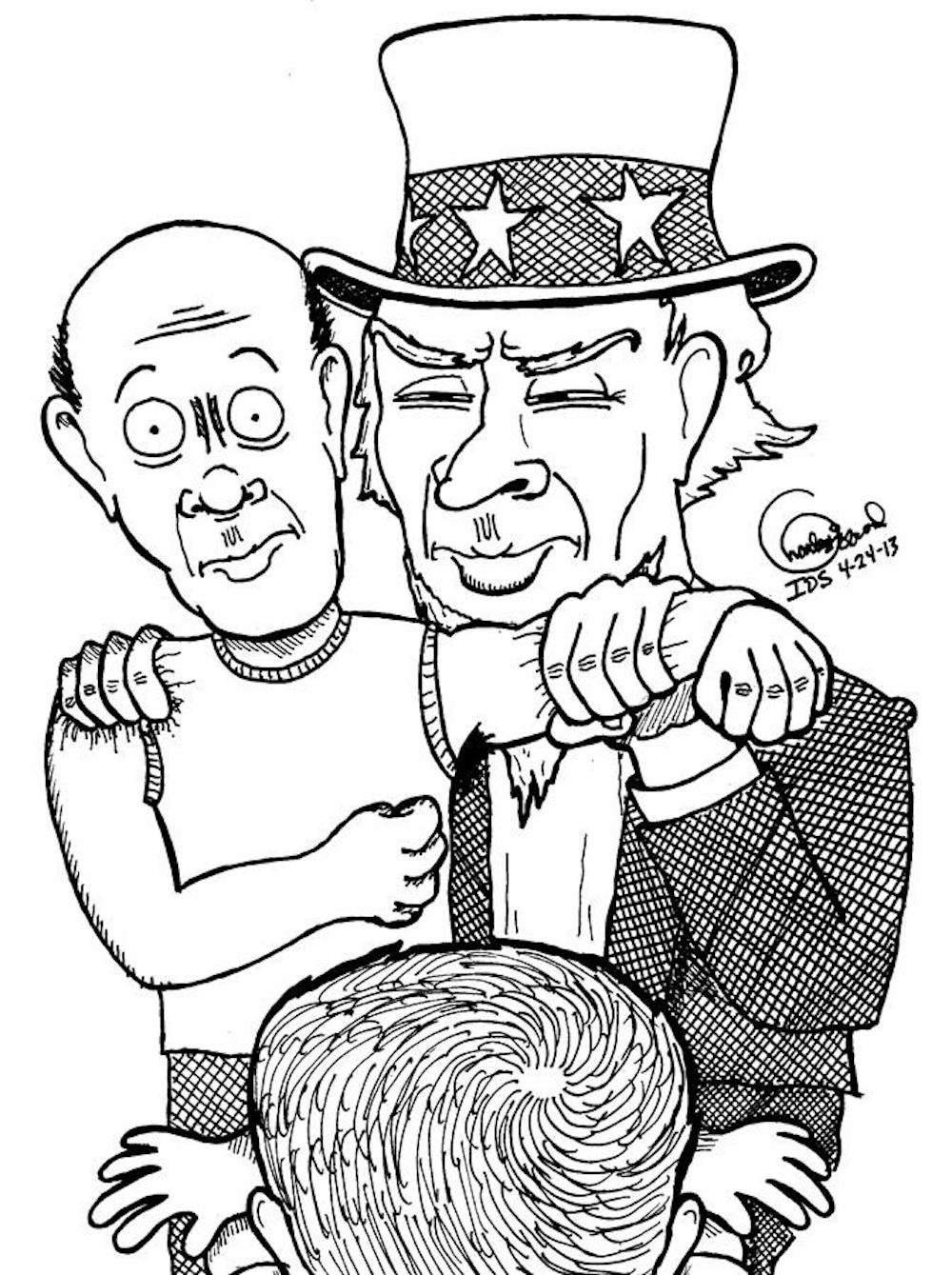
A government shouldn’t be permitted to govern if they fail to protect those who cannot protect themselves. Perfection cannot be expected, but that shouldn’t stop them from striving for it and doing everything in their power to safeguard the innocent.
Abuse hotline in the hot seat
Get stories like this in your inbox
Subscribe