In the four years since “For Emma, Forever Ago,” we’ve seen the band’s frontman Justin Vernon branch out with side projects like Volcano Choir and guest spot with artists like Kanye West and The National, all while critics smothered “For Emma” with praise, placing it on numerous best-of-the-decade lists.
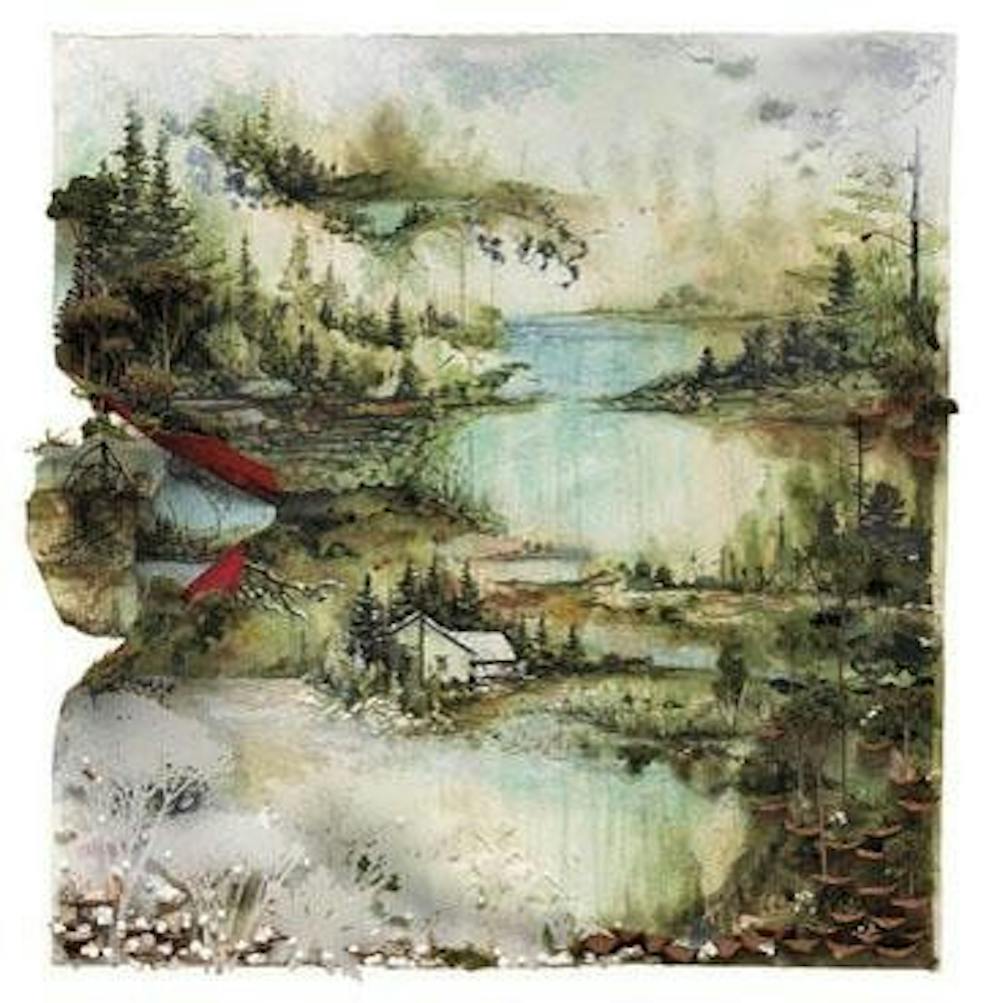
In this context, the pressure for a second album was intense, and the resulting “Bon Iver, Bon Iver” cements Vernon’s status in the upper echelon of modern songwriters.
The most immediate aspect of the album is the departure from its predecessor.
While “For Emma” listens like a solo project — Vernon using an acoustic guitar as a medium for a personal catharsis — the new album is much more expansive. The songs tend to start simply with a guitar or keyboard line, then build to great heights.
Every song uses dynamics to draw the listener deeper, from the sudden rock-and-roll climax of “Perth” to the tantalizing, never-quite-peaking tension of “Holocene.”
Fans of “For Emma” will find Vernon’s ethereal falsetto and haunting, multi-tracked background vocals familiar, but this time, his voice is more honed and focused.
Vernon’s lyrics, deliberately vague, paint feeling in broad strokes. The words dance around their muses, just barley out of reach. Some lines are almost indecipherable (“In a mother, out a moth”) and others wring mystery out of painful specificity (“The years you’d talk for me, that night you played me ‘Lip Parade’”), making it difficult to pin down just why everything seems so relatable.
Every line is delivered deliberately, so that even the most enigmatic lyrics become a crucial part of each song’s meaning.
What’s most remarkable about “Bon Iver, Bon Iver” is its incredible cohesiveness. Though iTunes has dealt a harsh blow to the aggregated album as an interconnected art from, the patience of ‘Bon Iver, Bon Iver” flies in the face of easily-digestible, short-order pop culture.
None of these songs are as good individually as they are collectively, and its unorthodox structure makes it an album for a largely post-album era.
The closer, “Beth/Rest,” is a stylistic departure that begs comparisons to 80s pop acts like Phil Collins. It’s something that shouldn’t work on a Bon Iver album, yet somehow feels like an apt coda drawing on the established mood.
Amidst palpable hype and anticipation, Bon Iver has soared past the expectations. And while no one wants to wait another four years for the next release, Bon Iver has certainly given us quite the dish to tide us over.
By Adrian Jenkins
This is not a place
Get stories like this in your inbox
Subscribe