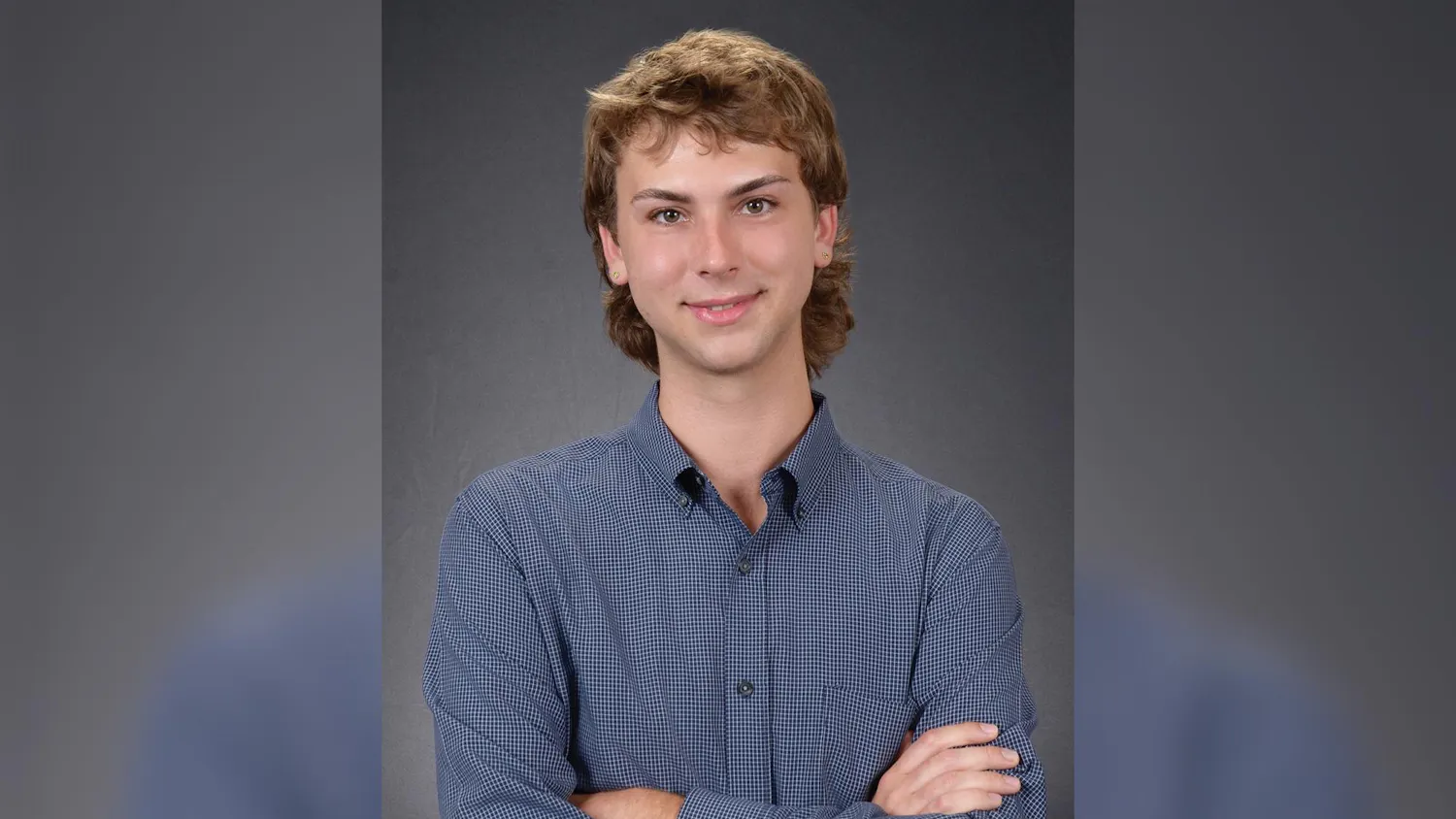
Professor Emeritus Henry Glassie, recent recipient of his second American Folklore Society’s award, said he is deeply rooted in the subject of creativity.
“Most people think of novels and symphonies when they think creativity,” Glassie said. “But I think creativity is to make a good dinner, turn a block of wood into a table or dress in a way that satisfies you. There is creativity in everything human beings do.”
Glassie, this year’s recipient of the American Folklore Society’s Award, was awarded the Charles Homer Haskins Prize of the American Council of Learned Societies last year .
The aware is the highest honor that the AFS bestows, and is given to a living senior scholar in recognition of outstanding scholarly achievement during their career.
“This award has particular meaning and particular significance for me,” Glassie said. “The American Folklore Society is my community, and folklore is what I study. It’s nice to know they like and appreciate my efforts.”
Glassie was nominated for the award by two of his former doctoral students — Ray Cashman, associate professor of English at Ohio State University, and Tom Mould, associate professor of anthropology and director of the Program for Ethnographic Research and Community Studies at Elon University.
“No living folklorist has reached wider for new experience, nor produced such a comprehensive scholarly oeuvre,” Cashman and Mould wrote in their joint nomination letter.
Glassie is the third member of the Department of Folklore and Ethnomusicology to be honored by the society.
Glassie received a doctoral degree in folklore from the University of Pennsylvania and was chairman of the folklore department at IU before retiring.
The author and folklorist said his grandparents instilled his interest in creative tradition that then fueled his work at the University of Pennsylvania and IU.
“My grandmother would tell stories that would connect to the history in the past, and the past seemed very alive,” Glassie said.
Glassie, who grew up living at his grandparent’s house, said he would watch his grandfather carve wood and listen to his grandmother’s rambling tales.
His family, he said, valued the creativity found in everyday life, and he now credits his past with the success he has seen in his present.
Glassie is now studying the “creativity in everyday life,” which he said helps him
define folklore.
“All people are born, and we’re genetically driven to creation,” Glassie said. “Creativity is natural to the human animal. It’s universal.”
Glassie has written five books about Irish culture, including “Passing the Time in Ballymenone,” which won the Chicago Folklore Prize and the Haney Prize in the
Social Sciences and was named a notable book of the year by the New York Times.
In 2006, he produced a follow-up work, “The Stars of Ballymenone.”
- Nona Tepper
Creativity is universal, award-winning scholar says
Get stories like this in your inbox
Subscribe