SPOILER: This column contains potential spoilers for “Carrie”
Published in 1974, “Carrie” was Stephen King’s official debut in horror.
The novel centers around Carrie White, a high school girl who is the target of severe bullying. At home, she faces intense emotional and sometimes physical abuse from her mother, a religious fanatic. Eventually the continued targeting and public humiliation drives her to the edge, and Carrie discovers growing telekinetic abilities.
Since its publication, “Carrie” has been adapted for the screen five times, the most recent being Amazon's miniseries “Carrie,” developed by Mike Flanagan, that premiered Oct. 7.
Before watching, I had conflicted feelings about this newest adaptation.
I was aware that this version would be set in modern day, rather than the ‘70s, meaning it would involve social media and internet culture. The novel’s themes of public humiliation, mob mentality and hyperexposure set the stage well for a social media narrative, but I was worried about setting my expectations too high and being disappointed by a poor execution.
Flanagan’s adaptation brings major changes to the plot and the relationships between characters. Though I was initially unsure of how to interpret the alterations and their effects on the story’s larger connotations, I ultimately thinkFlanagan's changes add to the adaptation’s overarching themes.
The first plot difference is that Carrie (Summer H. Howell) is homeschooled in this adaptation.
Having never truly interacted with the world, this homeschooled Carrie begins high school with a naive innocence. In contrast, the original Carrie has been severely bullied all her life and is familiar with worldly cruelties.
The adaptation’s Carrie enters high school completely unfamiliar with the nuances of teenage norms and social media culture. While trying to integrate herself into these spheres, she is hindered by not owning a phone. This disconnect exacerbates her helplessness to confront the bullying she faces. In this latest adaptation, we witness Carrie’s perception of the world slowly become tainted, while in the novel she becomes more disillusioned with a reality she is already familiar with.
This changes Carrie fundamentally, which was jarring to reckon with. But Flanagan’s show carries a different message, one that is not necessarily worse but does warrant such changes in order to make its point.
Instead of the original story’s focus on Carrie, this adaptation uses a community of perpetrators and victims to comment on societal cruelty. Carrie still plays a central role, but her experience is embedded in the larger experience of her school and town.
Another pivotal change is in the relationship between Carrie and Chris Hargensen that the incorporation of social media allows for.
Chris is the main antagonist, a popular girl who takes her personal grievances out on Carrie. Social media is seamlessly incorporated into the story via Chris when she creates an anonymous social media account with the handle “Carrie Red” and posts a video of Carrie being humiliated in the bathroom by her classmates after getting her first period. The account quickly begins posting humiliating and hateful photos of people all over the community.
Chris’ use of social media gives her significantly more power in this adaptation.
Instead of Chris being directly antagonistic, she can remain anonymous, treating Carrie kindly in person while ruthlessly tormenting her online. This makes it almost impossible for Chris to be held accountable for her actions. I appreciated this reframing of Chris’ character because, cast as another cyberbully, it familiarizes her cruelty to the audience.
The series explores powerlessness in the face of mob behavior when a school-wide protest against the Carrie Red account becomes a riot.
The unpredictability of group behavior is a theme in the original “Carrie” that is expanded on here. People are unpredictable when under the supposed protection of a crowd, or behind a screen, because of a weakened sense of individual responsibility.
But Carrie ultimately cannot escape from the world’s cruelty.
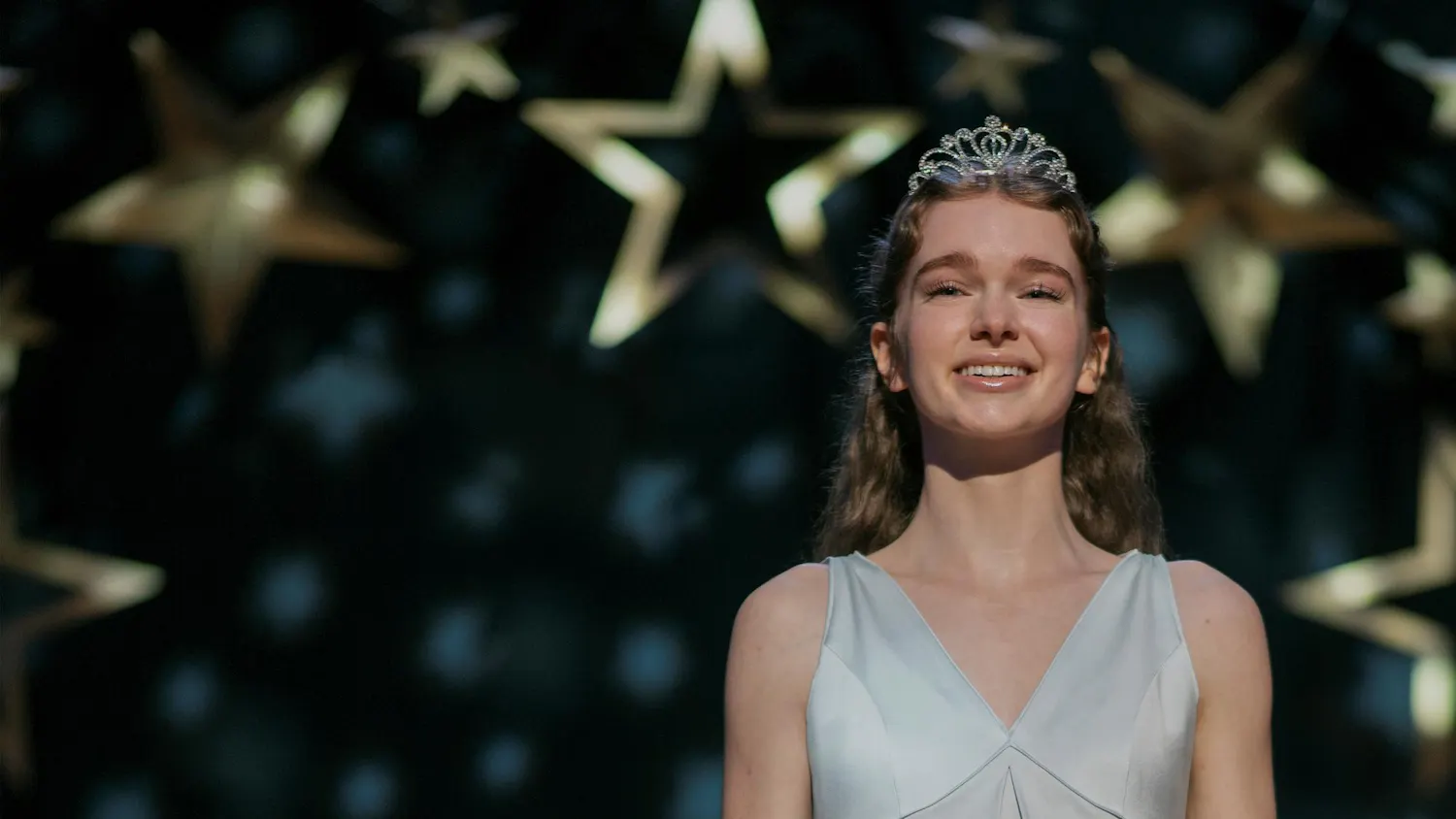
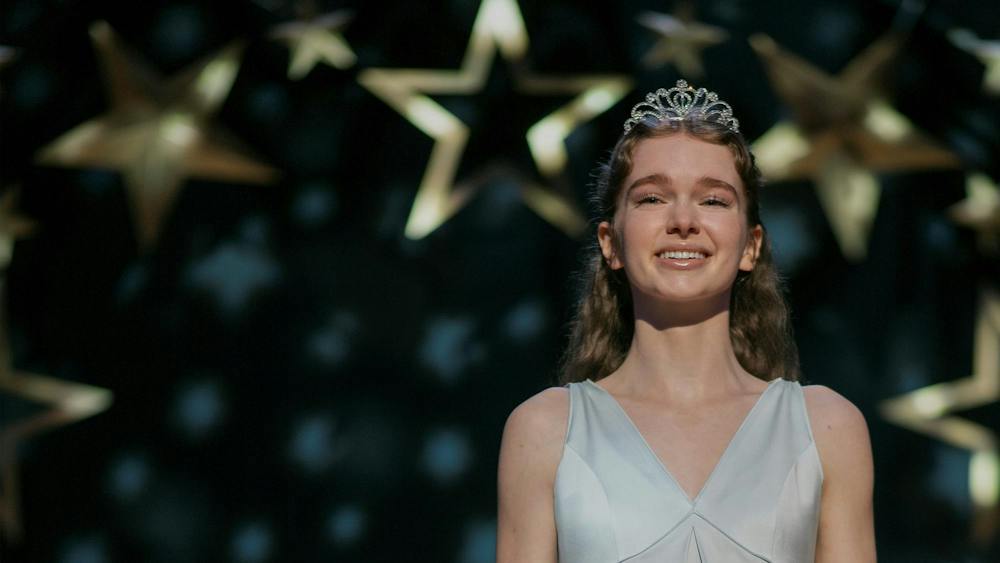
The climax of the story occurs at prom, when Carrie is elected prom queen. Standing on the stage, dazzled and triumphant, Chris dumps pig’s blood on her from the catwalk. As the school begins to laugh, Carrie begins a rage-fueled tirade of destruction and death.
The crowd that once rioted to defend Carrie becomes the crowd that laughs at and films her personal humiliation. In a group setting, people abandon respect and embrace savagery. This is an irreplaceable part of Carrie’s story, and I was very glad to see it unchanged.
The addition of social media makes Carrie’s story more accessible to the modern audience. The audience is incapable of not considering current social culture while witnessing both Carrie’s and her community’s heartbreaking and horrifying experiences. An accessible story is an effective story, and Flanagan did a remarkable job in creating potent effects for the audience.