College football is about the fans. It has always been about the fans. But as the sport continues to change, the way we watch the games is changing as well.
In today’s game, keeping up with college football games across the country has felt more expensive than ever.
In 2022, the Big Ten announced a media rights agreement with FOX, CBS and NBC, totaling over $7 billion through 2030. This deal was a huge win for the Big Ten, as it gave the conference a presence on three top networks.
But it seems as if the business side of college football has become more important than the fans' experience.
College football has become a sport where fans have to decide which streaming services to pay for in order to watch their favorite teams.
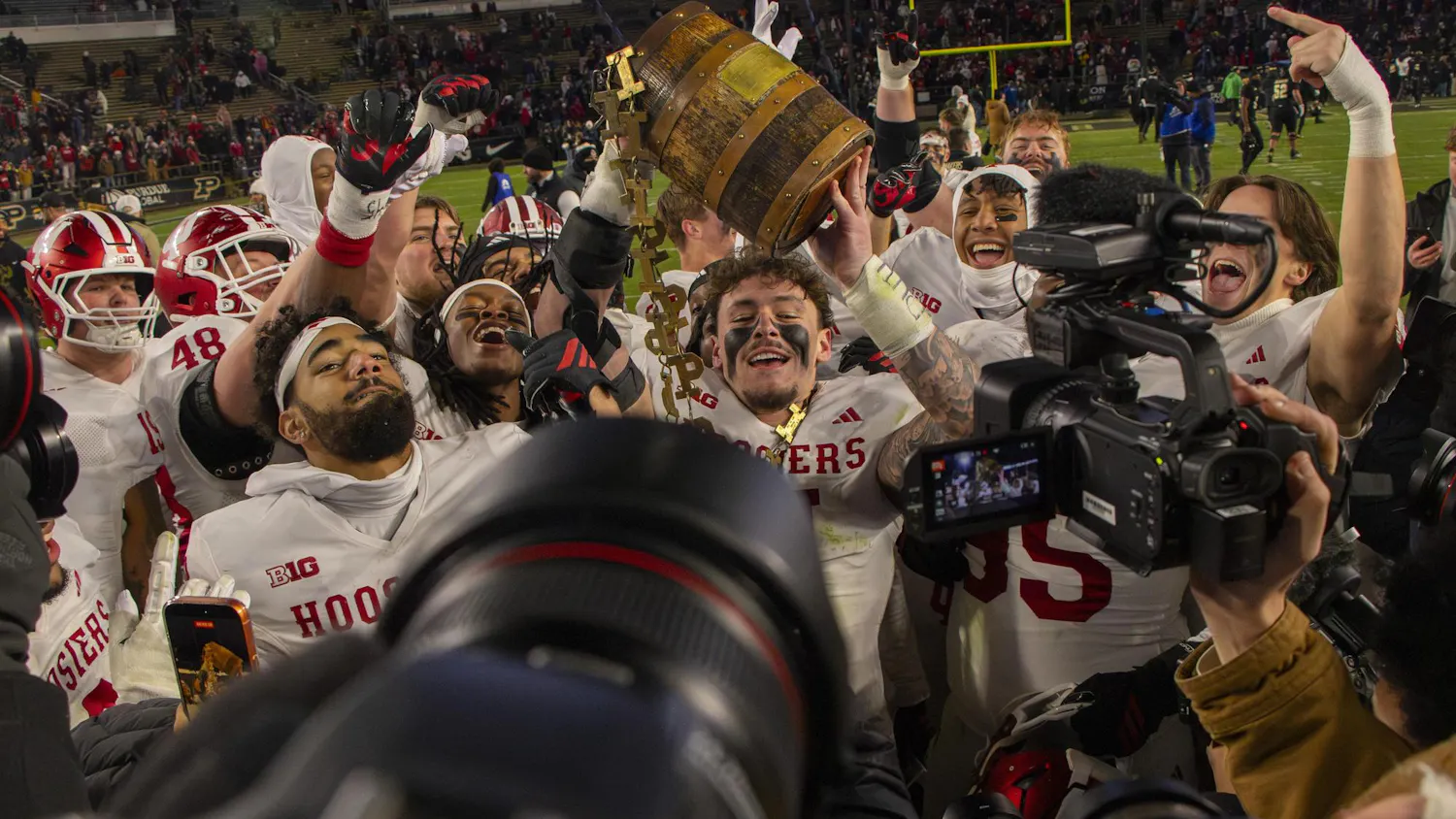
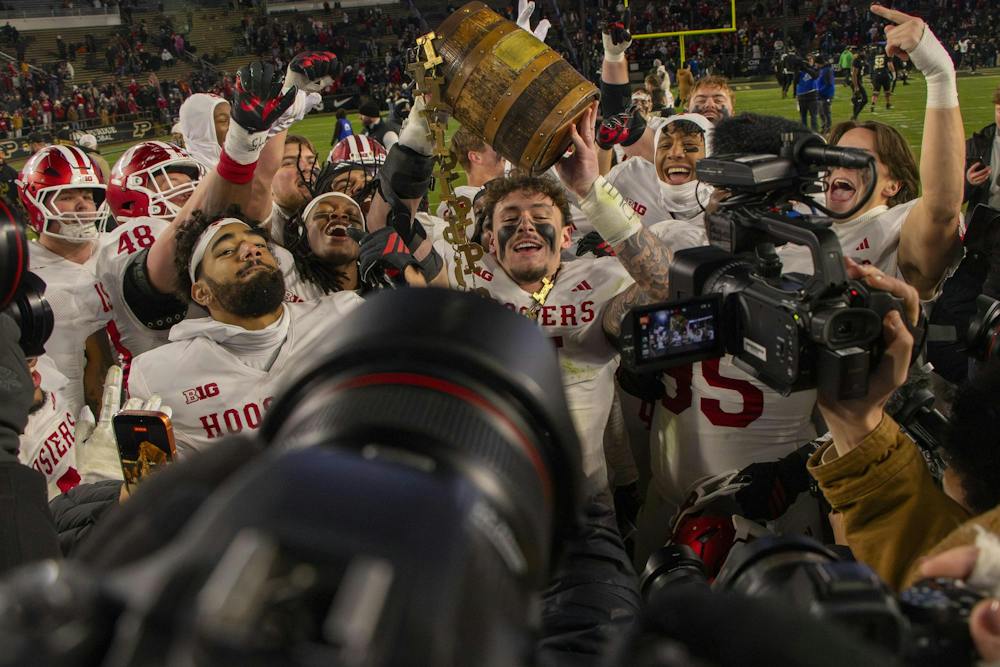
This is not what it should look like. For example, viewers should be able to watch Indiana football — the defending national champions — from the basic cable or streaming package, like YouTube TV or Hulu. Instead, the Hoosiers’ Week 3 game against Western Kentucky University was aired exclusively on Peacock. Because of this, fans who already pay for streaming services must tack on an extra charge just to watch one game.
This isn’t just with Indiana, either. The University of Notre Dame is one of, if not the, biggest brands in college football, yet their game against Purdue was exclusively on Peacock in Week 4.
The SEC is handling it differently from the Big Ten. And it’s helping them win the viewership battle.
Year in and year out, the SEC dominates the Big Ten in views, as the conference’s relationship with ABC and ESPN has catapulted its success. Since the start of this season, ABC has eight of the 10 most watched games, with the other two being on NBC and FOX. Nine of these games featured at least one SEC team, with the other game being Notre Dame vs Wisconsin.
Some of the biggest games of the college football season are broadcast on ABC, a network that doesn’t require an exclusive streaming service to watch. For example, the University of Georgia will travel to Tuscaloosa, Alabama, to take on the University of Alabama in a pivotal SEC matchup on Oct. 10 on ABC. In Week 2, we saw Ohio State lose to the University of Texas at Austin in an incredible game on ABC. Fans shouldn’t have to pay extra to watch these games. And they don’t.
Obviously, the SEC has some of the most influential teams in college football. But so does the Big Ten.
Michigan, Ohio State, Indiana, USC and Penn State are all huge programs, especially in college football. If the Big Ten were to stick with one network for the biggest games in their conference, this would drive viewership up. Switching between multiple networks for multiple games in the same conference is not an ideal way to attract and keep new viewers.
If the Big Ten broadcast its games on strictly accessible networks, it would create a consistent viewing experience.
Instead, fans have to flip between CBS, FOX and NBC, as well as other streaming platforms throughout the season. Spreading games across three major networks might drive TV revenue, but it also divides your audience at the same time.
On the other hand, the SEC seems to have hit the nail on the head when it comes to understanding accessibility. The SEC’s strong presence each Saturday on ABC gives fans a sense of familiarity when watching some of the biggest games that week, without having to pay for a service like Peacock.
Being consistent matters. When fans know which channel to go to first, watching college football becomes an easier experience, especially for the casual viewer.
The Big Ten should be circling this consistency that the SEC is showing.
Hayden Pope (haypope@iu.edu) is a senior studying sports media and is the Indiana Daily Student’s national sports columnist.