Editor's note: All opinions, columns and letters reflect the views of the individual writer and not necessarily those of the IDS or its staffers.
Have you seen the latest Novig ad?
On Sept. 9, actress Sydney Sweeney appeared in an ad promoting the sports-betting app. While I have nothing against betting on sports, I do have something against the way the ad portrayed women.
The actress appeared nude while sports equipment strategically covered certain areas of her body. She pretended to play different sports, but the focus wasn’t on the athletics. It was on her body.
That is what bothered me.
Women have spent decades trying to prove their place in sports. They fought for opportunities, funding, facilities and the same respect given to male athletes, like equal media coverage of sporting events. We are still working toward those things today, so seeing an advertisement for a sports-betting app using a woman’s body as the main attraction feels like we are going in the wrong direction.
Some may argue that it’s just an ad. But it’s not.
According to the Women’s Sports Foundation, high school aged girls have more than 1.3 million fewer opportunities to participate in sports than their male peers. They also struggle with finding supportive coaches, safe facilities and dealing with environments where judgment from teammates or peers can make them feel uncomfortable about participating or improving their technique.
The National Federation of State High School Associations reported this January that more than 4.6 million boys participated in high school athletics in previous years, compared with 3.2 million girls. It also identified gender stereotypes, unequal access to quality equipment, body-image concerns and financial barriers as challenges that prevent girls from participating.
So when female athletes say that the Novig advertisement feels like a step backwards, I understand why.
It’s frustrating when female athletes are constantly trying to shift the conversations about how they look to what they can do. This time, they are not keeping their discomfort hidden. Athletes are expressing their feelings about the ad; questioning a representation of women in sports that they believe undermines what they have spent years trying to accomplish.
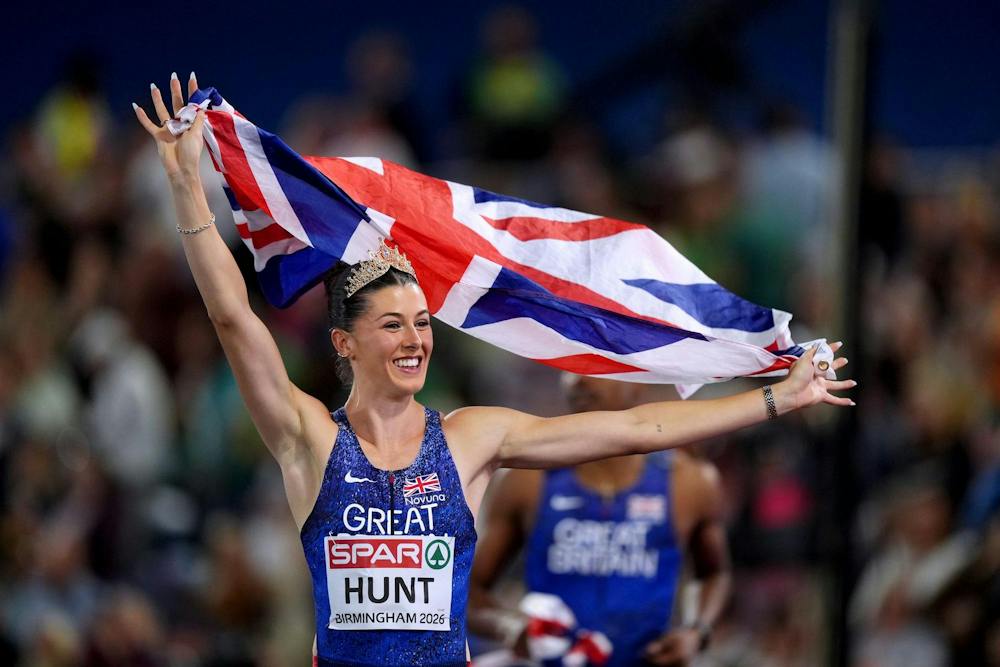
Australian swimmer and four-time Olympic gold medalist, Ariarne Titmus, referred to the ad as a “kick in the face” to women who have dedicated their lives on perfecting their sport. British sprinter Amy Hunt called out the actress after competing at the Ultimate Championship, saying “Sydney Sweeney, this is what women in sport look like,” while pointing at her muscles, referring to the hard work, sweat and tears behind her athletic performance.
There is nothing wrong with Sweeney using her attractiveness to her advantage. She can decide whether or not to participate in a sexually provocative advertisement. But when you combine a sexualized portrayal of a woman with a campaign centered around sports, it is fair for the audience to question the message being sent about women in sports.
Women should not have to choose between being taken seriously as athletes and femininity. Girls grow up being told they need to look a certain way in order to belong. Social pressure and unequal opportunities can push girls away from pursuing a sport. Comments like “You look too manly” or “It’s a rough sport for girls” are enough to demotivate someone. Body image comparison can lead to anxiety and deeper mental health problems, as it is commonly believed that athletic training leads to more masculine features.
The ad is only 60 seconds long. It cannot erase the decades of progress made, nor is it responsible for every inequality women face in athletics. But advertising does influence the way we think and the images associated with women in sports. And right now, female athletes are showing us that women are more than just their bodies.
They deserve to be seen for both their strength and femininity without diminishing one or the other. They deserve the opportunity to play, compete and succeed without having to prove that they belong there first.
Maybe, the next ad about sports and women should spend time less time showing their bodies and more time showing what their bodies can achieve.
Astrid Alomia (she/her) is a sophomore studying journalism with a concentration in public relations and a minor in marketing.