
Editor's note: All opinions, columns and letters reflect the views of the individual writer and not necessarily those of the IDS or its staffers.
As we near the end of September, it’s time to break out our jackets and turn on an episode of the epitome of fall television: “Gilmore Girls.” With the show’s New England setting, academic themes and cool-weather wardrobe, “Gilmore Girls” embodies what everyone loves in a classic autumnal aesthetic. As the show spikes in views between the months of September and January, it’s time we revisit the critically acclaimed series.
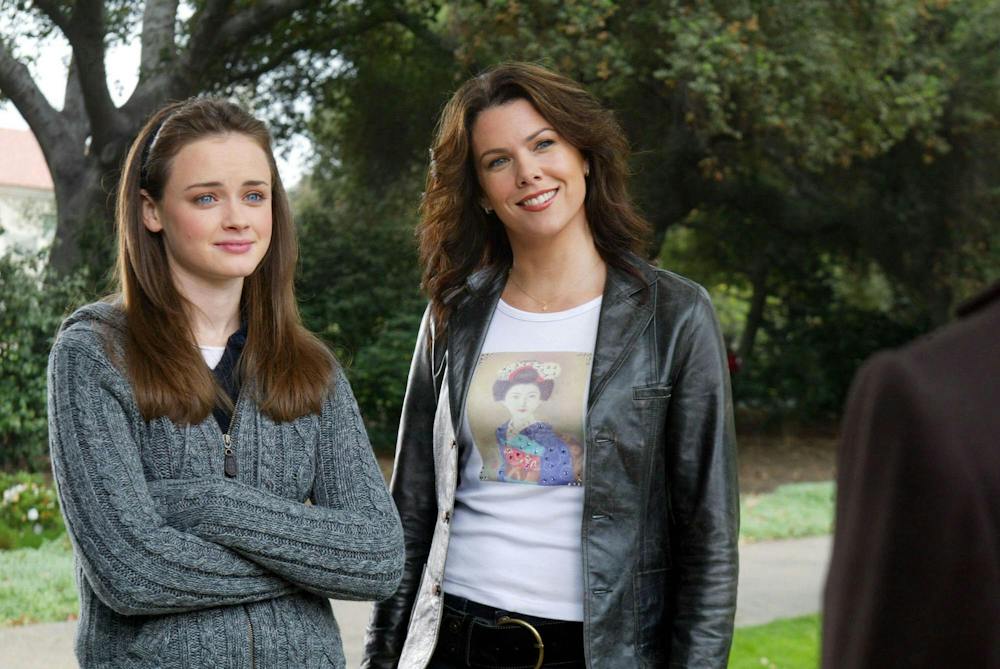
Despite the show's popularity, one issue remains when watching: we hate the entire cast of characters. The two main characters of the show are Lorelai and Rory Gilmore, a mother-daughter duo.
With each character comes a different reason to dislike them, but one of the main issues with characters such as Lorelai and Rory can be seen throughout the show: childishness.
Lorelai has a pattern of avoiding responsibility. For example, she neglects waking up on time, cooking for herself and Rory and doing mundane tasks at her workplace, the Independence Inn. This innate characteristic can frustrate the audience due to her lack of accountability to do simple tasks everyone should be able to do.
Similarly, Rory takes after her mother when faced with challenges. She is consistently praised by Lorelai and her grandparents, and never really faces criticism. When she is criticized or even given feedback by teachers or friends down the line, Rory responds immaturely by avoiding consequences and acting entitled.
While these frustrating character traits can cause reason to drop the show completely, we continue to watch it anyway. Something about hated characters keeps bringing us back. But there’s a reason we enjoy annoying characters so much.
Humans are naturally drawn to conflict. Without daily struggles, finding excitement in the joyful things in life would be difficult. The same rhetoric applies to the media we consume.
Watching television shows and movies that contain characters we strongly dislike can create a sense of comfort. We are experiencing major conflict but from the comfort of our couches. Watching a character make regretful choices can be entertaining because there is no real-life consequence for the viewer.
Another reason why people may be more inclined to watch hated characters is because we want an outlet to express different emotions. When we are feeling emotions like anger, it is easy to hate-watch a television show and take out those emotions on fictional characters.
“People are happier experiencing negative emotions like sadness or anger if those are the emotions they want to experience,” media psychologist Cynthia Vinney said. “Which means hate-watching can be a rewarding experience.”
Additionally, we may feel that hate-watching can tie deep down to curiosity. Shows like “Gilmore Girls” foster a level of curiosity even if we are frustrated by its characters. We are invested in the plot of the show and the characters' lives. While Lorelai and Rory tend to make poor choices and act too young for their age, we are connected with them as characters and want to see them succeed.
“Even if they won't admit this yearning out loud (or to themselves internally), they may find themselves watching with fascination and longing,” Vinney said.
Additionally, “negativity bias” can play a role in hate-watching. Negativity bias is the psychological phenomenon where people focus on negative information or emotions over positive information. This can affect the viewing experience of certain media forms because instead of remembering the good aspects of a television show, we remember the parts we hate the most. In this case, people remember how frustrating Lorelai and Rory are over the good feelings that come from watching the show.
All in all, “Gilmore Girls” does a great job of being a comfort series to millions of viewers. While its characters can cause frustration or dislike amongst fans, we must remember that people in fictional media are not perfect. Each character is accompanied by both many flaws and positive attributes, but that's what makes storylines interesting and complex.
Skylar Small (she/her) is a junior studying journalism.



