Editor's note: All opinions, columns and letters reflect the views of the individual writer and not necessarily those of the IDS or its staffers.
Runway, the fictional magazine in “The Devil Wears Prada,” is a grim take on the modern reality of the field of media, going from being a well-known fashion magazine in 2006 to a digital magazine in 2026 with low circulation and struggling to keep readers hooked.
Today, we have tools that help us create text, images, videos, and more, without having to even think of the idea or have the equipment. With the rapid flow of information that technology gives us today, it’s impossible not to know what’s happening in every corner of our world. Whether it’s about fashion or politics, there will always be a way for us to know what’s happening.
And I’m sure we all know that technology will keep evolving. However, that doesn’t mean adapting to technology will be easier.
Industries like fashion, journalism, and media have been affected both positively and negatively. It’s now easy to post something on apps like TikTok and Instagram which people around the world might mistakenly relate to and treat as reliable information. Trends in fashion aren’t lasting months or years like they used to; they’re now cycling through in a matter of weeks because technology has sapped our attention spans.
“The Devil Wears Prada 2” makes us think about the situation, especially for those interested in following a path to the world of media.
The movie shows us the reality of traditional media: rapidly shifting and unable to keep up with the new media. Half of newspaper readers and 36,000 journalists had vanished by 2019. One illuminating example occurred this February, when the Washington Post laid off more than 300 journalists.
"If anything, today is about positioning ourselves to become more essential to people's lives in what is becoming a more crowded, competitive and complicated media landscape," executive editor Matt Murray said.
But even these changes, such as the digitization of magazines and the loss of journalists and readers, don’t mean technology itself is the enemy.
The real challenge is learning how to use it without losing the human side of media. AI can generate articles, create images and videos and recommend trends in seconds, but it cannot genuinely understand human emotions, experiences or cultural context. Media and storytelling rely on empathy, personal perspective and critical judgment, which are qualities that the technology can support, but not replace.
This is why the situation has become so complicated for the generation entering media careers. As students, we should not only know how to write, design and communicate but also how to constantly adapt to digital platforms and AI tools because they're constantly evolving.
In many cases, professionals are pressured to produce content faster than focusing on the meaning of it. At the same time, the audience has changed as well.
People now consume information in seconds. Attention spans are shorter, and social media rewards immediacy more than accuracy. Because of this, many media companies have prioritized engagement, attention and performance metrics over the meaning or creativity of the post. What usually took weeks of investigation and production can now be replaced by AI content generated in only a few minutes.
That is why both “The Devil Wears Prada” and “The Devil Wears Prada 2” feel so fresh today. Beyond fashion, both movies reflect an industry trying to survive in a world where trends, information and public attention are moving faster every day. Runway’s transformation from a respected print magazine into a struggling digital print platform mirrors what many real media companies are going through or anticipating today.
Still, adaptation does not mean that we should replace all human-created media completely because the point is that technology should support creativity, not erase it.
Media industries will always need people capable of telling stories, understanding audiences, questioning information and creating ideas that machines can’t because they lack the same understanding of emotion or experiences.
The future of media is not about choosing between humans and AI. It is about learning that both can exist and help each other. However, the question is whether future professionals will be able to adapt without losing the creativity and authenticity that made media meaningful from the start.
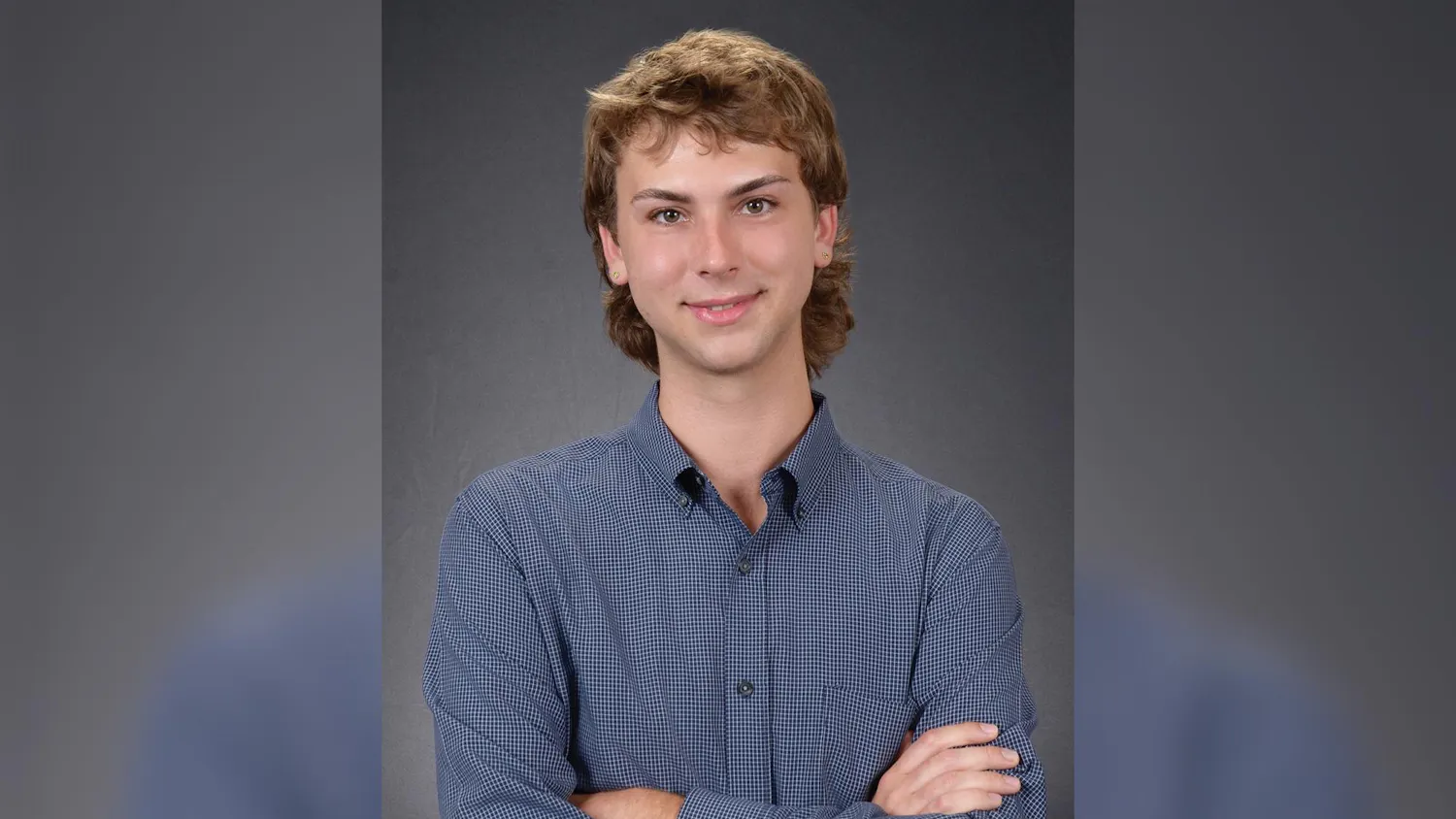
Astrid Alomia (she/her) is a freshman studying journalism with a concentration in public relations and a minor in marketing.