
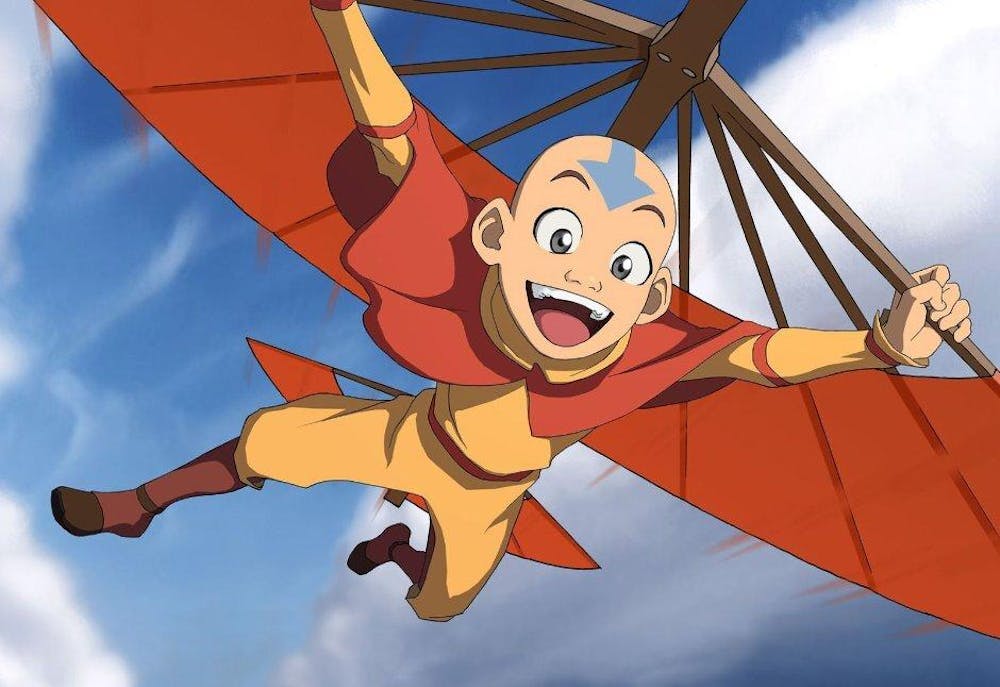
Eighteen years ago, the animated series “Avatar: The Last Airbender” aired its monumental series finale, cementing its reputation as one of the greatest animated series of all time. Five years ago, Nickelodeon announced an animated theatrical film following the beloved characters from the series as adults. Five months ago, Paramount announced that “The Legend of Aang: The Last Airbender” would skip its theatrical release and premiere on Paramount+ on Oct. 9, 2026.
Just over two weeks ago, an anonymous user on X leaked the movie in its entirety.
The original post was taken down, but other users have been circulating the file around pirating websites. It’s impossible to know how many people have seen the film, but it’s safe to say a considerable number of people watched it, with the film appearing on Letterboxd’s most popular list on April 23, 2026.
While many have not been on this grandiose scale before, leaks have been increasingly prevalent in the modern media landscape. Most of the time, these leaks actively harm the creators, spoil the surprise for fans and put the future of said project in jeopardy.
One infamous example of leaking is that of Charli xcx’s unreleased third album, referred to as “XCX World” by fans. After she released the first two singles for the album in August 2017, a hacker breached her Google Drive and leaked almost all its songs. The album release was cancelled soon after.
Her reaction shows just how harmful leaks can be to artists.
“I didn’t feel safe at all,” Charli xcx said in an interview with Glamour. “It made me feel like all this hard work, all this money I’d put into recording, all the producers I'd paid, all the time, and all the flights I’d taken, were just blown back in my face.”
However, the unexpected circulation of the "The Legend of Aang: The Last Airbender” has given some fans hope.
At first glance, the leak seems like a case in which leaking harms the artists. However, this leak opens the door to let audiences see the movie in the format that artists intended: on the big screen.
From a business perspective, the best way to recoup the losses from this leak would be to move it back to a theatrical release, instead of just releasing on Paramount+. “Avatar: The Last Airbender” is watched by Millennials and Gen Z the most, which are the same generations most likely to pirate digital content. It’s worth noting that the movie theater experience is most appealing to those two generations as well.
Announcing a theatrical release would incentivize those who haven’t seen the movie yet to wait until they can experience it on the big screen, and those who have already seen the movie would get an opportunity to watch it in an elevated format.
Fans have been flooding comment sections asking Paramount to switch the movie back to a theatrical release. It seems like a long shot, but fan pressure like this has proven to be successful before in cases such as the release of “Zach Snyder’s Justice League” and the upcoming “Coyote vs. Acme,” in which the film was cancelled as a tax write off and subsequently picked up by another distributor for release after fan outcry.
Paramount has not commented on whether it will change to a theatrical release; fans have continued campaigning to see their beloved characters on the big screen.
In my opinion, I would wait until the movie is officially released to watch it, no matter where it ends up. Watching the movie legally helps studios more accurately gauge its popularity, and I want to see more “Avatar: The Last Airbender" projects in the future.


