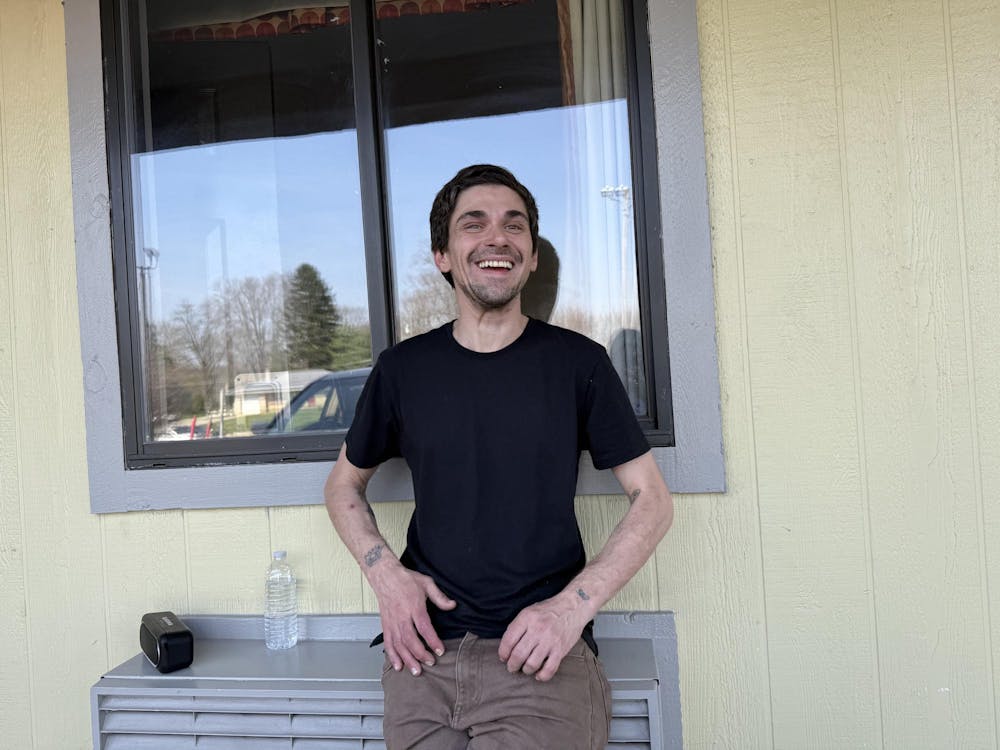
As a winter storm dropped over a foot of snow over Bloomington in January, Indiana University’s campus closed, bus routes paused and George Langley slept under a bridge.
His shoes were wet, and he kept slipping and falling down the incline underneath the bridge. A blanket he had grabbed from a dumpster was frozen and wouldn’t open all the way. He slept fitfully on old couch cushions.
When he woke up, his toes were numb and blackened. Part of his foot was so frostbitten it couldn’t be saved and had to be amputated.
Langley had just been released from spending three months in jail for conversion, or exerting unauthorized control over the property of another.
By the time he was let out, his car, where he had been sleeping, was gone. It was probably impounded, Langley said. It was parked where his mom could keep an eye on it, he said, and she left for vacation. He had nowhere to go, and no relief from temperatures that dipped into the double-digit negatives.
After Senate Enrolled Act 285 — which makes camping and sleeping on public land a Class C misdemeanor under certain circumstances — goes into effect July 1, Langley will have even fewer places to stay.
If people are still camping within 300 feet of where they received a warning for violating the law, they could be fined up to $500 or jailed for up to 60 days.
Langley said a cop who recently gave him a ride told him about the law. He said the cop told him he couldn't just sleep wherever anymore.
“Well, where can I stay?” Langley said.
He understands why people may not want to see homeless individuals downtown, sleeping on the sidewalks, he said. But he doesn’t understand why they can’t “camp out of sight.”
“I feel like the whole thing is that they just don’t want it, maybe they feel like it makes Bloomington look bad,” Langley said. “To see all these people who have nothing begging for money or digging through the trash for food.”
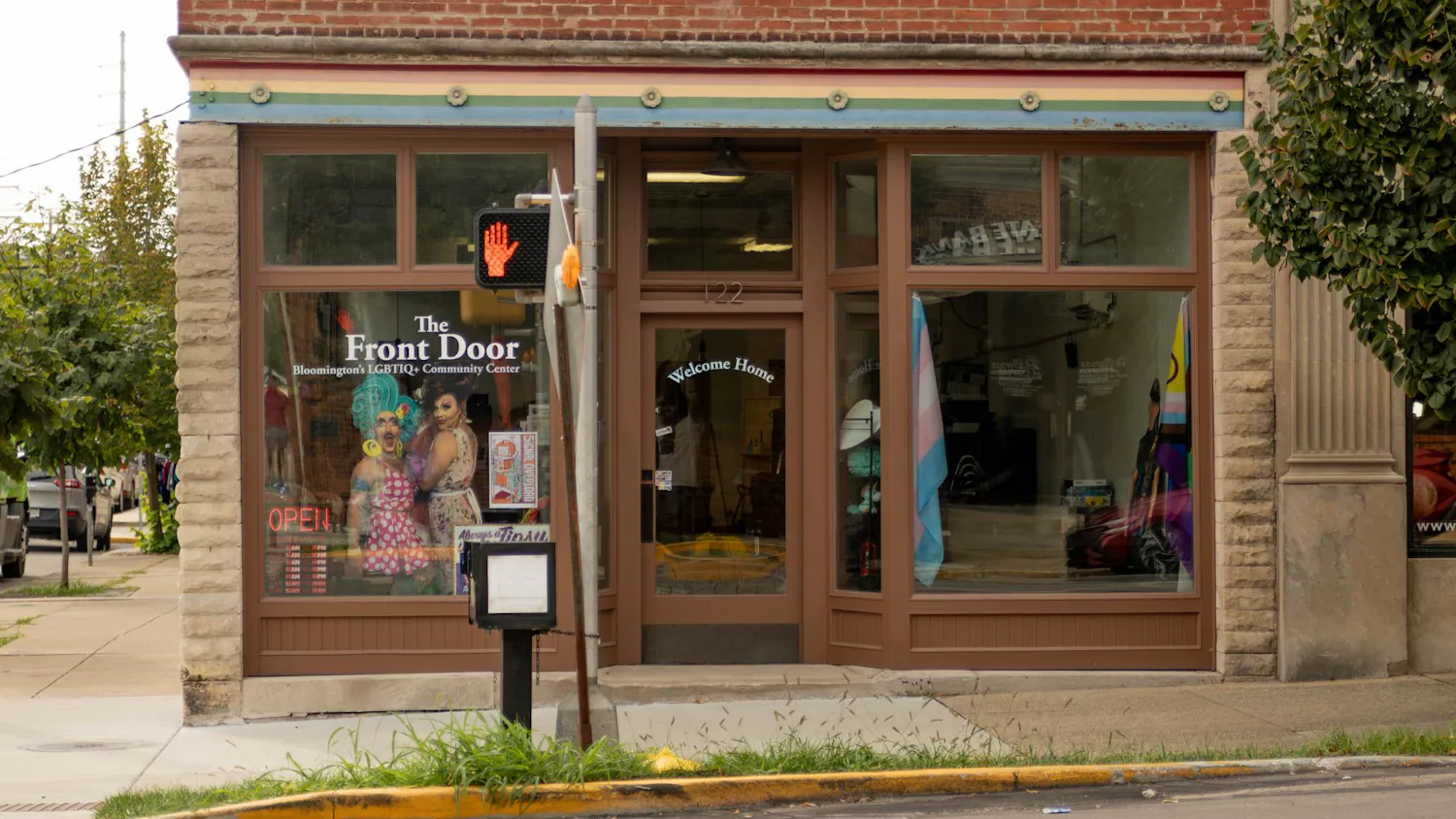
Langley was picked up by Katie Norris, the founder and executive director of Hotels for Homeless, on Feb. 18. The organization crowdfunds to find emergency housing in hotels or Airbnbs for people that may not have it otherwise. During the winter storm, Norris said, the organization housed 57 people.
Norris and Langley go way back — he used to date her twin sister. Langley even gave Norris housing a few times years ago when she was homeless.
Langley’s mother was donating blankets to Norris when she told her Langley had his foot amputated and slept outside during the storm.
“I got on the phone with him, and I was like, ‘George, what can I do for you?’ And he was like, ‘Dude, you called me,’” Norris said.
But now they’ve bonded, Norris said. She takes him to his doctor’s appointments and helped him move his bags to his hotel room. She posted about his situation on Facebook to raise the $240 needed for his shelter.
Norris is already preparing for the law to go into effect, she said. Hotels for Homeless has a 15-person bus she intends to use to help get people off the street.
“It’ll be warm, there will be drinks, there will be food, there’ll be coats,” Norris said. “We’ll put gas in it and drive them. Drive it to wherever it needs to go. If they need a tow, we’ll tow it. Nobody’s going to jail.”
In a press release, the Monroe County Sheriff’s Office said it would “comply with the statute as required while continuing to approach these situations with professionalism, compassion and respect for everyone involved.”
The sheriff’s office went on to say it would connect people with available resources and maintain the dignity of those experiencing homelessness while prioritizing public safety.
Bill author Sen. Cyndi Carrasco, R-Indianapolis, said at the bill’s third reading Jan. 28 the law’s misdemeanor provision existed to create a “moment where outreach, diversion and connection to services can occur and to move individuals toward a healthier and more stable life.”
She clarified that the misdemeanor was eligible for diversion, where some offenders can avoid conviction. The law specifically lists a lack of shelter beds as a defense.
The law was not meant to criminalize homelessness, she said, and came from a place of compassion.
But Forrest Gilmore, the executive director of antipoverty nonprofit Beacon, thinks the law is “lazy.”
“It pushes all the costs down to the city and county and the local police departments and local jail and doesn’t do anything to address the shelter gap or the housing gap,” Gilmore said.
There isn’t enough housing, shelter, support or health care for people living outside, he said. And he said the law won’t do anything to improve the living conditions of those who are homeless. Friend’s Place, Beacon’s 40-bed emergency overnight shelter, is consistently full.
The shelter has to prioritize Monroe County residents and sometimes has to refer people to other resources. There aren’t enough accessible beds, Gilmore said. Sometimes people have other barriers to coming inside, like pets they don’t want to leave behind or mental health issues, that make it difficult to share tight spaces.
Langley hasn’t really used shelters, he said. There are too many people, he said, and he feels stubborn about it. Though now he’s no longer using crutches — he didn’t want to feel dependent — putting pressure on his foot feels like “pins and needles.” So he doesn’t know what he’s going to be able to do when his foot is fully healed.
Right now, Langley said, he’s just lost.