In case it wasn’t obvious as you read this from a glowing screen, we now live in a digitalized world. Though this has increased accessibility to entertainment through streaming, the move toward digital media and subsequent eradication of physical media has escalated the threat of what is known as “lost media.”
Lost media is when creative works are destroyed or become inaccessible to the public. A common example of this is silent films.
The Library of Congress estimates that 75% of silent films have been lost due to the unfortunate reality that all material objects eventually degrade over time. Many old films that were not archived properly were damaged or destroyed.
The same can happen for media that originated digitally. In fact, it’s even harder to archive works that are purely digital due to costs, changing digital formats and the risk of corrupted files, among other issues.
In terms of modern-day creative works like shows and movies, the threat of losing media is increasing with the rising popularity of streaming services removing original content from their platforms as a way of saving money.
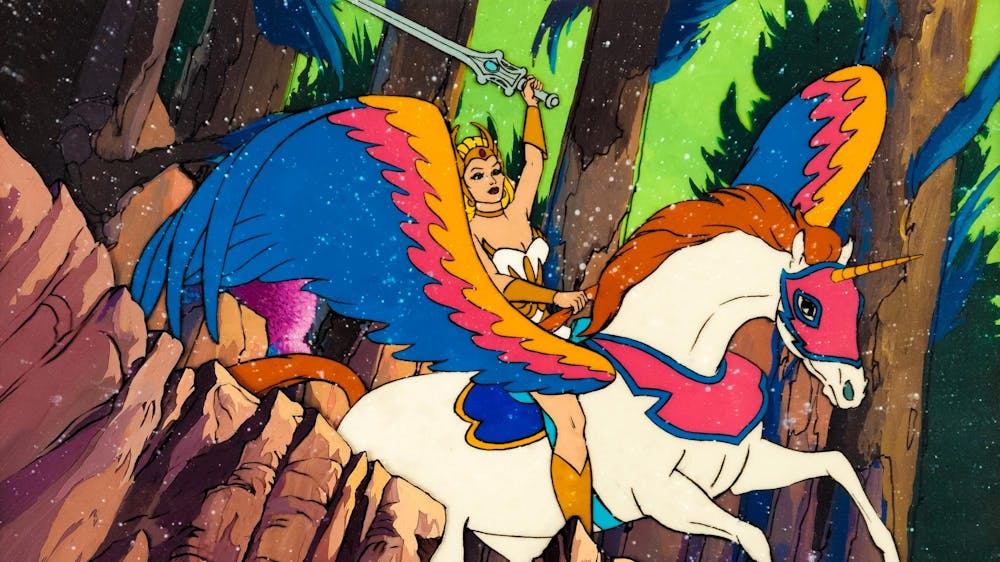
The latest head on the chopping block of Netflix's removal of original content was the 2018 show “She-Ra and the Princesses of Power,” a DreamWorks production which Netflix was the exclusive distributor of.
The series, which is a modern adaptation of the 1985 show “She-Ra: Princess of Power,” instantly garnered a strong fanbase. It was praised for its portrayal of strong female characters, queer representation and powerful storytelling.
When I first started watching “She-Ra” after the first season was released, I instantly fell in love with it. As the seasons progressed, it became more and more complex and deep, and my love for the series only grew.
The finale felt groundbreaking because of its depiction of a same-sex kiss between two main characters, Adora and Catra. This was one of the only times a queer pairing I’ve shipped actually became canon in a show, so it was impactful for a younger me and many other queer fans.
While the fanbase has dwindled over the years since the show has ended, it has remained a beloved series, especially within the queer community. Despite concluding almost six years ago, the series was still garnering some significant viewership, with a Netflix Engagement Reports revealing the show has picked up 16.3 million views between the start of 2023 and mid-2025.
However, at the end of 2025 Netflix announced that “She-Ra and the Princesses of Power” would be leaving the platform in early 2026. I was shocked when I heard this; my first immediate thought being “then where is it going to go?” The answer is, as far as I know, nowhere. While there are DVDs of the first three seasons, the fourth and fifth seasons were never produced in physical media, meaning there is now no way to legally stream the show in its entirety.
This puts “She-Ra” at great risk of becoming lost media.
If you’re not a fan of “She-Ra,” this may feel inconsequential, however this is not the first time something like this has happened. Streaming services have been removing original content for years. Any original show or movie you watch on a streaming service is at risk of being wiped off the face of the internet, and personally, that terrifies me.
But I also feel a bigger concern about how this power of erasing original content could lead to censorship.
All media faces the risk of censorship, but when a piece of media is physical, it’s harder to eradicate.
We see this happening in the United States with banned books. Schools and libraries can remove books from their collections, but copies of the books still exist elsewhere, and it's difficult to destroy every single copy of a book ever printed.
But digital media doesn’t have this roadblock; with one click of a button a show can be erased.
While the removal of this content might start as a solution to money troubles, how long will it be until companies start removing content to silence underrepresented voices? To me, it feels like this is already happening.
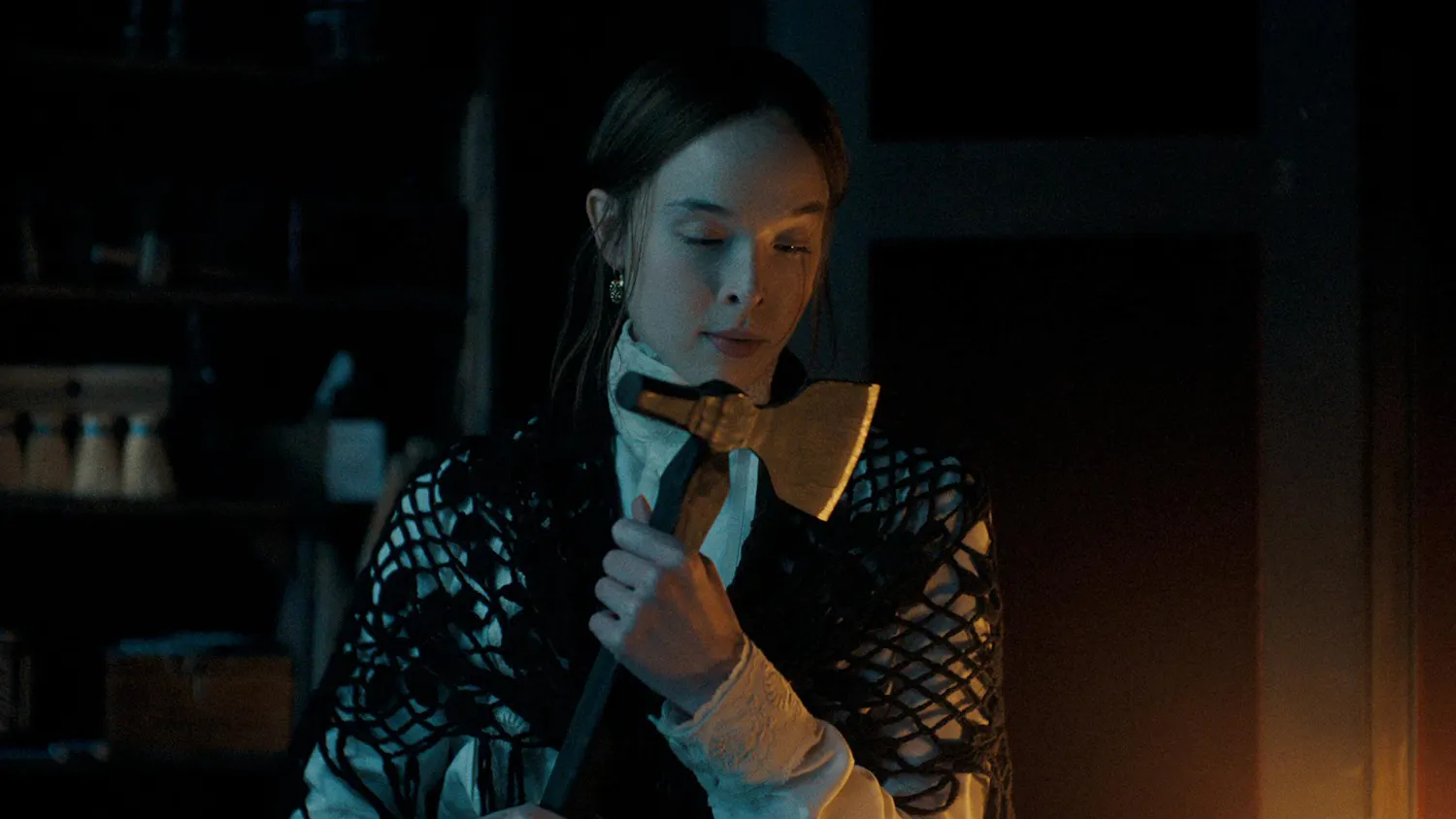
“She-Ra” is unabashedly queer, and out of all of Netflix’s titles, this is the one that got taken down. Similarly, Disney+ not only canceled but also subsequently removed its original show “Willow,” which featured a sapphic relationship between the two main characters, only a couple months after its release.
If you’ve never heard of this show, you’re not alone. “Willow” has already been widely forgotten because of Disney+’s erasure of it, and most people don’t even know it existed in the first place.
The point is, whether intentional or not, there seems to be a clear correlation between what shows are removed and their representation of marginalized communities, especially lesbian and sapphic characters.
Unfortunately, it’s hard to combat this erasure, but I think one of the best ways is through investing in physical media.
So, if you have a favorite show or movie that’s available on DVD, it might be worth investing in buying a physical copy of it. Think of it as creating your own personal archive to preserve your favorite works of art and combat the threat of lost media.