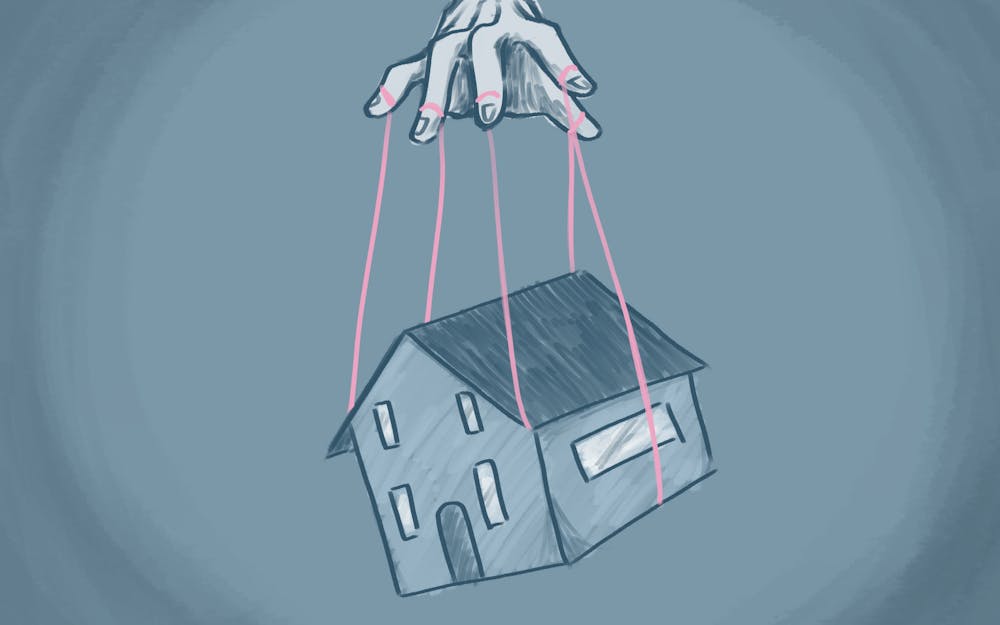
Moving off-campus is exciting. You get more freedom, independence and the chance to live closer to Bloomington's best spots. However, this new freedom comes with numerous new responsibilities, particularly when dealing with landlords. Navigating leases and dealing with maintenance issues can feel overwhelming when you are renting for the first time. Here are five tips to make your off-campus housing experience smoother and less stressful.
Read your lease carefully
Before you sign anything, sit down and read your lease thoroughly. No matter how shiny and extravagant the apartment or house you are touring is, remember that leases are legally binding contracts. Reading through the lease a few times will allow you to see any discrepancies with rent due dates, late fees, subletting rules and more. Do not rush through the fine print. If something seems confusing, ask questions or have IU’s Student Legal Services review the lease for free. They can help catch hidden clauses or unfair terms that will cause you to have to pay more in the long run.
Document everything from day one
When you move in, take pictures and videos of your space. Document every corner, scratch and stain to ensure that you have evidence for your landlord or property manager. Some apartments and houses even have a specific online portal to submit these photos, so when you move out, they have documentation of anything that was from a previous renter. The more evidence you have, the harder it is for a landlord to unfairly keep your security deposit. If you find they are unfairly trying to keep your security deposit, do not be afraid to walk into their leasing office with more evidence that shows you are not at fault.
Communicate professionally
It can be tempting to text your landlord or contact your property manager in a rude or unprofessional way, especially when there are frustrating maintenance issues or discrepancies in the lease agreement. Remember, it is important to always keep your communication professional and documented. Use email when possible, and save receipts or screenshots of messages. It may even be helpful to add those to a separate folder on your phone or laptop for easy access. If there is ever a disagreement, you will want proof of what was said and when.
Know your rights as a tenant
In Indiana, landlords must provide habitable housing. This means that the basics like running water, working electricity, heat and a safe environment must be provided. For example, your landlord or property manager does not have to provide you with a furnished apartment, but they must provide you with a safe environment, so issues like mold must be taken care of immediately. If your landlord does not make necessary repairs, you have rights. IU's Student Legal Services and the City of Bloomington offer resources that can guide you on the next steps. Don't let landlords intimidate you into paying for something that is not your responsibility.
Budget beyond rent
Your lease isn't the only expense. Ask up front if utilities, which typically include electric, gas, internet, trash and water, are included. Many off-campus houses and apartments near IU do not cover all utilities, so your monthly costs may be higher than just rent. Planning ahead prevents surprises and helps you avoid late fees or conflicts with roommates. Additionally, there may be hidden fees you are not aware of until the situation comes up, such as paying for a new key. These costs add up fast, so having room in the budget and understanding what could happen is important.
Off-campus housing at IU can be an amazing experience if you go in prepared. Treat your landlord interactions like a business relationship. Know your rights, stay organized and keep everything in writing. With these tips, you'll avoid common mistakes and focus on what really matters: enjoying your time at IU. Find the housing that works best for you, your wallet and your experience.
This article was originally published in the Housing & Living Guide, an IDS special publication.