
Editor's note: All opinions, columns and letters reflect the views of the individual writer and not necessarily those of the IDS or its staffers.
Box offices are in a rut. According to The Hollywood Reporter, October revenue was the lowest in 27 years, coming in at around $425 million. And with thousands of cinemas nationwide shut down since the COVID-19 pandemic, it’s getting increasingly difficult to compete with streaming services. However, a new trend in moviegoing has shifted a film’s priority, now focusing on presentation, rather than content; a concerning indicator of the modern attention span.
So, what will revive the theaters? “Batman” film franchise producer and Indiana University alumnus Michael Uslan predicts a new shift in entertainment: the immersive experience. On Oct. 6, during a Student Cinema Guild event, he said,
“There’s going to be bigger and more incredible moviegoing experiences that are going to feel more immersive,” Uslan said. “That you may no longer pay $15 for, maybe you’ll be paying $29 for, but it will be considered more as an experience.”
Noting recent successes, such as Taylor Swift’s “The Official Release Party of a Showgirl,” Cosm’s “Shared Reality” screenings of “The Matrix” (1999) and the Las Vegas Sphere’s immersive screening of “The Wizard of Oz” (1939), Uslan believes experience-based entertainment will become the norm. He said box office numbers are dwindling as viewers stream movies at home, and seeing smaller films in theaters will become obsolete unless they are presented to audiences in a way streaming cannot compete with.
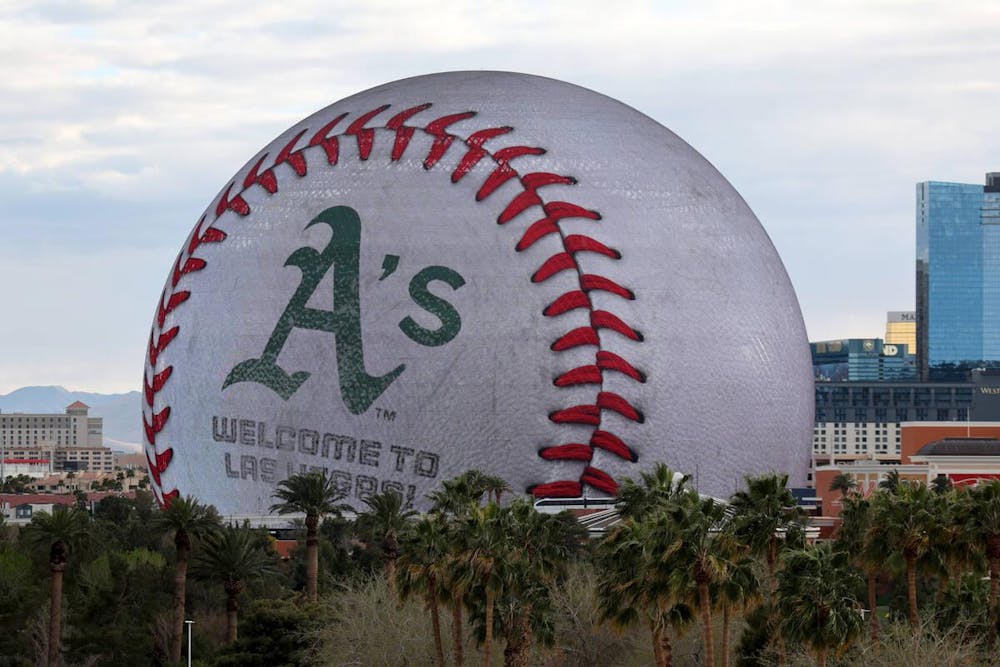
The Sphere’s website boasts a 160,000-square-foot domed interior display, 167,000 speakers, 4D sensory elements including haptic seating, rerecorded sound and perhaps most dystopian, generative AI to expand the scope of a film that was originally shot for a 4:3 frame. Clips shared by moviegoers have sparked mixed reactions online, with many criticizing the use of AI as a disservice to the original film. Like many others, I find the “enhancements” of the existing characters and locations bizarre.
To make matters worse, billionaire Warner Bros. CEO David Zaslav and, Sphere Entertainment Co. CEO, James Dolan, both made cameo appearances in the “enhanced” version of the film, with their faces swapped for those of the original “munchkin” actors via AI. However, these controversies haven’t stopped the show from selling one million tickets since its premiere in late August, generating over $130 million according to Billboard.
This shift extends beyond film. Artists including Vincent Van Gogh, Claude Monet, and Gustav Klimt have exhibits in their names traveling around the world. “Beyond Van Gogh,” for example, proudly claims 30,000 square feet and four trillion content pixels to “breathe new life” into Van Gogh’s artwork. Even Indianapolis is home to a permanent gallery for immersive experiences called The Lume, which opened in 2023 with its very own Van Gogh exhibit, featuring a sunflower “photo op” room, a cafe serving themed food and an activity space diorama of the “Bedroom in Arles.”
Certainly spectacular, but why is any of this necessary? Why must something already so acclaimed be “enhanced” through projectors and pixels? Are you really appreciating Van Gogh’s art if you need to be fully engulfed in it, paying no attention to the techniques that made his paintings so famous? When presenting projects such as this, technology becomes the main appeal, replacing the original artform. Not only is this an offense to individual artists, but it lowers our ability to appreciate art in general if we become reliant on those technologies to enjoy it.
This gross commercialization of existing artwork is being marketed as a new form of “appreciation.” The reality is, trying to enhance these works beyond their original formatting does them a great disservice. "The Wizard of Oz" was groundbreaking, marking a huge advancement in technicolor and inspiring generations of filmmakers with its visual storytelling. To suggest that it needs a modern “glow up” using AI is quite frankly insulting and completely disregards the craftsmanship that made the film so famous to begin with. Audiences should be able to enjoy it without bubble machines, live fire and billionaire munchkin face swaps.
This, of course, does not apply to original immersive artworks. For example, “Meow Wolf” is a popular experience founded by artists with the specific intention of creating art centered around audience interactions. Interacting with the artwork is a key part of understanding the work, which is why many artists will create immersive exhibits to produce their desired effect on audiences. Even some films, such as “The Tingler” (1959), were intentionally created with the immersive experience in mind, this example specifically breaking the fourth wall to give the illusion that the “tingler” was crawling around the movie theater you were watching the film in. However, the key is intent.
If a film or other work is not created in such a format, it should not be altered to cater to modern viewers. Focusing so much on making the presentation appealing to today’s short-form content-accustomed viewers, we are quite literally losing the plot. I understand the concerns of theaters, and I too wish to revive the moviegoing experience. But I am skeptical of this being the best way to do so, as it seems that the main route being taken is altering existing work. Alternatively, I believe theaters would benefit by working directly with filmmakers, like in “The Tingler” or “Clue” (1985), which featured alternate endings shown in different theaters. That way, audiences are attracted to theaters for an experience they cannot get from viewing the film at home, however, the filmmaker’s intentions are being honored with no existing films being disturbed.
Emma Howard (she/her) is a sophomore studying cinematic arts.



