I started playing Dungeons and Dragons during my junior year of high school. I found a world of sometimes wacky, sometimes beautiful improv, dice rolling and simple addition. Above all, I found a game about social connections.
Playing D&D brought me out of my shell and equipped me with proficiencies in improvisation and courage, allowing me to be more comfortable with myself. It encouraged me to put myself out there and be more authentic in my interactions with people, mainly because D&D tables were such a welcoming and safe place to be.
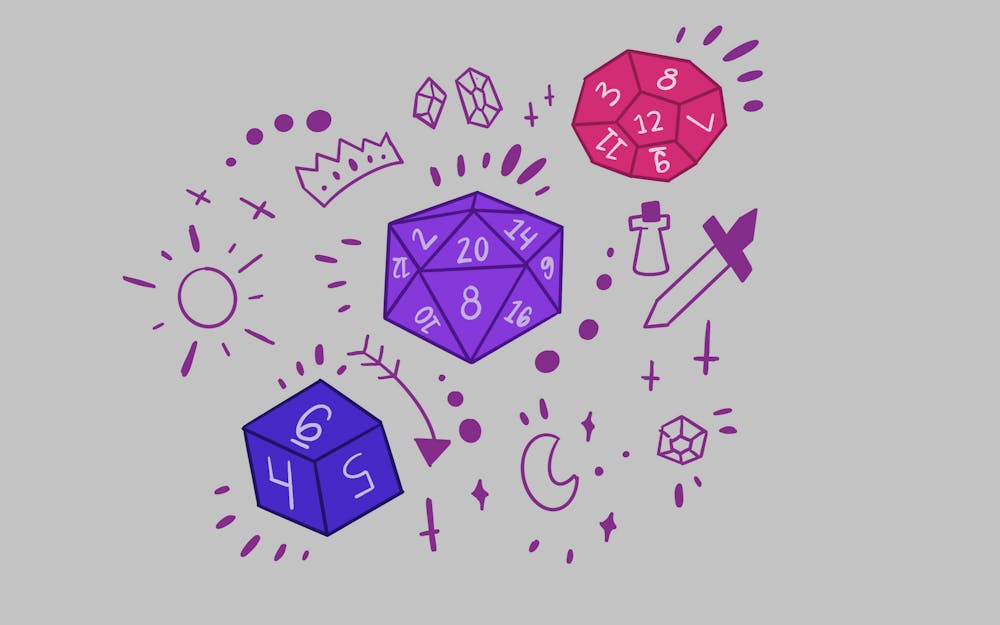
D&D is a tabletop role-playing game, meaning you create and then act as a character.
You can assume one of two roles: player or gamemaster. The GM functions as the narrator, creating a world for the story to take place in and a loose plot for the story to follow. They also populate the world with non-player characters who appear as needed throughout the story. On the other hand, a player stays as one character the entire time. Players decide what they want to do to complete the GM’s missions for them, and their in-character improvisation drives the story forward.
In this way, everyone collaborates to shape the game’s story. The goal isn’t to compete against the other players or even the GM, but to explore the world and connections between the characters, find ways to complete objectives and ultimately defeat a villain.
Playing D&D can be an intimate process. I’ve found that a group committed to embodying their characters will have hilarious moments but also very serious ones. Each person gets time to shine in both ways. The GM and the other players support what they are doing without judgment.
In this world, you find a place to try all your wackiest ideas. To feel powerful and uplifted. When you win a battle together, complete a goal or have a touching moment of improv, there is a sense of shared triumph.
Diving into more emotional moments feels safer than it would outside the context of the game because there’s a degree of separation between you and the moment. After all, you’re playing a character.
While playing D&D, I've let sides of myself show through my characters that don’t usually see the light of day because of embarrassment or anxiety. Having the other players’ unconditional support in those moments makes it so I am not afraid to do so.
These moments of vulnerability don’t exist in a vacuum. They’re experiences everyone at the table shares, and you can take them with you when you leave.
At its core, D&D is a game that forces you to get together with people: talk, interact and build something together.
D&D can create a community beyond that shared at the table as well. It’s a hobby that can unite people from all over in their love of the game.
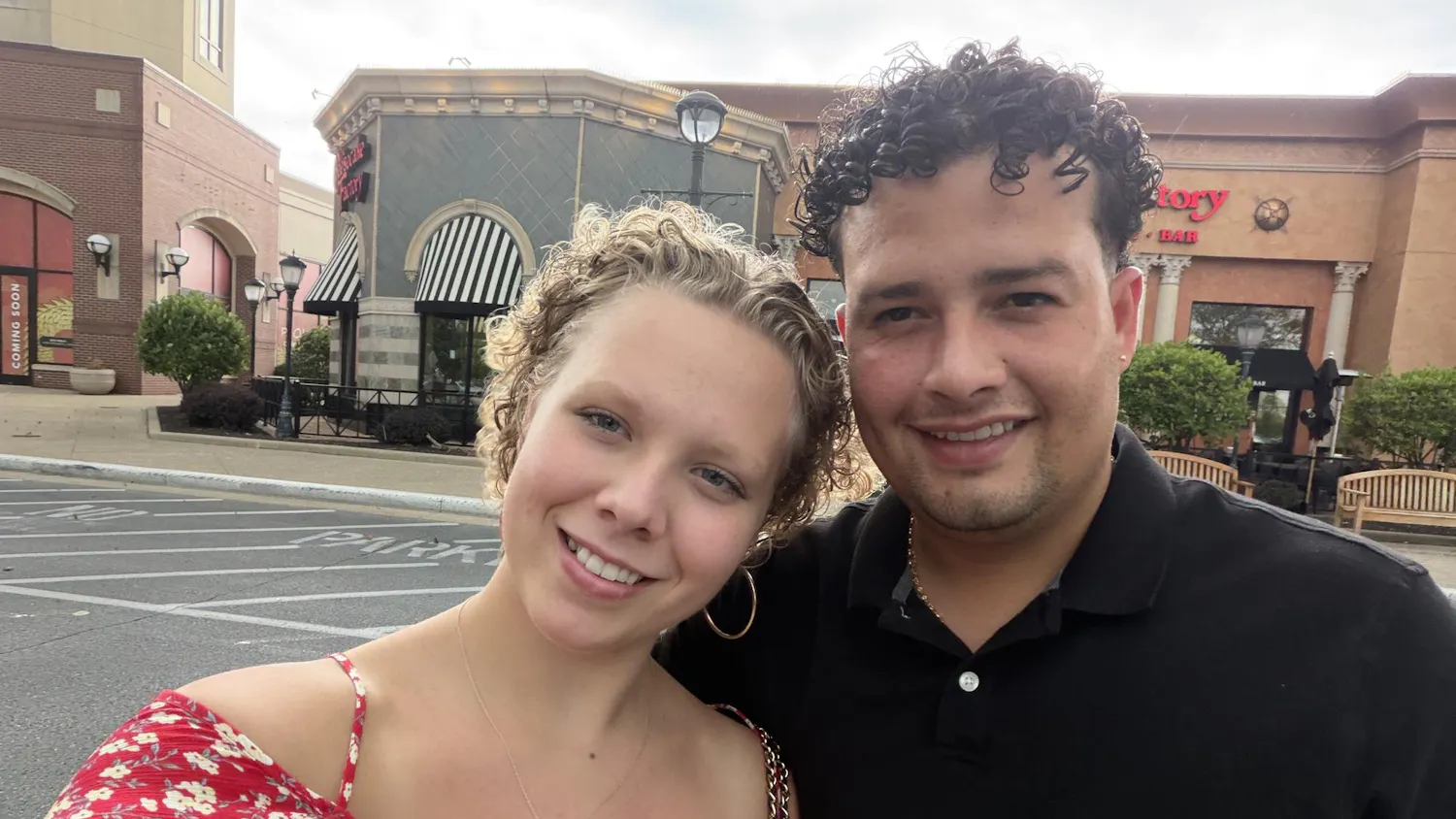
On campus, D&D at IU is a club that helps people find D&D campaigns and hosts related events. D&D at IU Treasurer Gabrielle Malenda said club members come from all walks of life.
“It’s not important to find ‘your people’ in the D&D club, because everyone can come together and have fun with the core principles, such as improvisation and brainstorming fun ideas,” Malenda said.
The common interest in the game serves as a starting point for deeper connections. Just chatting about D&D at an event is a way to feel support. Knowing that other people share in something you love can be comforting and uplifting.
“I do believe that D&D has a unique community and that community has grown and shifted even in just the few years I have been a part of it,” Dahveed Arrieta, D&D at IU president, said. “It is important to be a part of a community you want to see more of around the world, and I believe the D&D at IU community is a welcoming and fun group that I wish was more prolific.”
Having a community that you feel at home in is important. It doesn’t have to be a game of D&D or a club event. Seek out any group of people that makes you feel safe and connected to the world around you.
No one should feel alone. The right community is out there waiting for you. All you have to do is find it.
Sasha Burton (she/her) is a sophomore studying elementary education with minors in English and Spanish.