
In Indiana, 17% of adults reported experiencing frequent mental distress, according to data compiled in the America's Health Rankings 2024 Annual Report. Additionally, 1,129,000 adults in Indiana have a mental health condition, according to data from 2021.
The 2024-25 Healthy Minds Study, which looks at college students’ mental health, found a decrease in rates of reported depressive symptoms, anxiety symptoms and suicidal thoughts for the third year in a row. But with 37% of respondents reporting moderate to severe depressive symptoms and 11% reporting suicidal ideation in the last year, mental health remains a challenge for many students.
LGBTQ+ people are more likely to experience a mental health condition, as well, according to the National Alliance on Mental Illness.
To help our community better address this issue, the Indiana Daily Student put together a list of resources and information for people seeking help for themselves or others who are struggling with mental health and suicide.
Local and national resources
If you or someone you know has contemplated suicide or is dealing with mental health struggles, contact the 988 Suicide & Crisis Lifeline. You can call or text the lifeline at 988 or start a chat online. Support is free, confidential and available 24/7. The Trevor Project offers a 24/7 hotline for LGBTQ+ youth.
If someone appears to be in extreme distress, do not leave them alone. Try to calm them down and get immediate help. Call 911 or go to the emergency room.
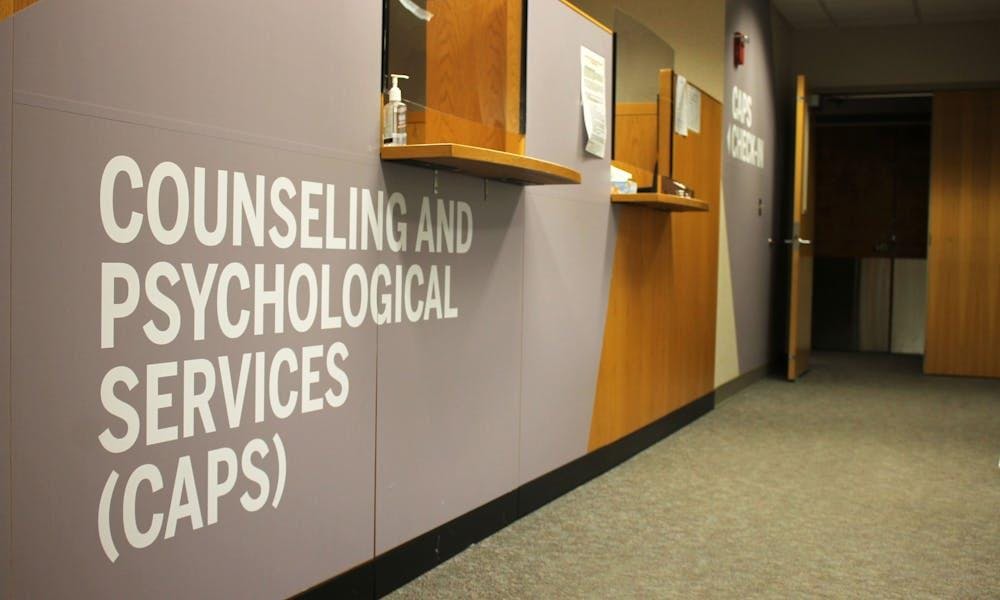
IU offers mental health care for students through Counseling and Psychological Services, including workshops, support groups, crisis services and an initial psychiatry session. Students can schedule an appointment by calling 812-855-5711; a 24/7 crisis line is also available at that number. The student health fee covers these services at no additional charge.
CAPS follows a “stepped care framework” for treating mental health. This begins with low-intensity support, such as self-help tools, but can increase toward more intensive care depending on the individual’s needs. Students who’ve paid the health fee and are referred to individual therapy get up to eight appointments per semester, CAPS Director Kodee Walls wrote in an email. There is no group therapy session limit for students who’ve paid the fee.
CAPS therapists or clinical case managers will offer referral options or connect students with off-campus providers if they have needs beyond CAPS’ scope of care. More information on where to begin with CAPS is available online.
Other resources in Bloomington include Centerstone Bloomington, which offers psychiatric and addiction treatment, crisis and urgent care and housing services. Centerstone’s Stride Crisis Center is a 24/7 alternative to hospitalization or incarceration for adults experiencing mental health crises. Stride also offers mobile crisis response to individuals unable to come in person.
IU Health Psychiatry - Bloomington offers outpatient services like psychiatric consultation, individual psychotherapy and group, family and individual therapy. Catholic Charities has therapy for a variety of mental health conditions, accepting most health insurance and offering a sliding fee scale. The Bloomington VA Clinic provides mental health services for veterans, and a 24/7 crisis line is available online. You can find more mental health resources on the county prosecutor’s website.
Identifying warning signs
According to Cleveland Clinic, the most common suicide warning signs include:
- Intense emotions or mood swings
- Suddenly becoming calm after a period of mood swings
- Withdrawing from others and interests
- Changes in personality, sleep pattern or appearance
- Showing dangerous or self-harming behavior
- Experienced trauma or life crisis
- Being in a state of deep despair
- Making preparations to end their life
- Threatening suicide or talking about wanting to die
How to support someone who is struggling:
- Be alert and recognize the suicide warning signs
- Provide support
- Ask the person directly if they have considered hurting themselves
- Encourage the person to seek professional help if they are struggling
Mental health disorders consist of a wide range of conditions that can affect one’s emotions, thoughts and behaviors. Some examples are depression, anxiety disorders, schizophrenia, eating disorders and addictive behaviors.
Symptoms will vary depending on the disorder and other circumstances. Here are some general signs and symptoms, according to Mayo Clinic:
- Feeling sad or down
- Confused thinking or difficulty concentrating
- Excessive fears, worries or feelings of guilt
- Extreme mood highs and lows
- Withdrawing from others and interests
- Significant tiredness, lack of energy or problems sleeping
- Delusions, paranoia or hallucinations
- Difficulty coping with daily problems or stress
- Trouble understanding and relating to situations and to others
- Problems with alcohol or drug use
- Major eating habit changes
- Sex drive changes
- Excessive anger, hostility or violence
- Suicidal thoughts
However, some symptoms can appear as physical pains, such as headaches, stomach pains, back pain or other unexplained aches and pains.
If you or someone you know has any of these signs or symptoms, see your physician or contact a mental health professional. Mental health illnesses do not improve on their own and can worsen over time, according to Mayo Clinic.
Support opportunities
For those coping with the death of a loved one from suicide, several organizations provide resources. Mental Health America of Monroe County is a local organization with information on support groups and mental health awareness. The Dougy Center provides grief support for a variety of age groups including materials in Spanish. Additional local support groups can be found through the organization Grief Share’s website with a variety of times and locations.


