WE SAY High speed rail is the next generation of transit.
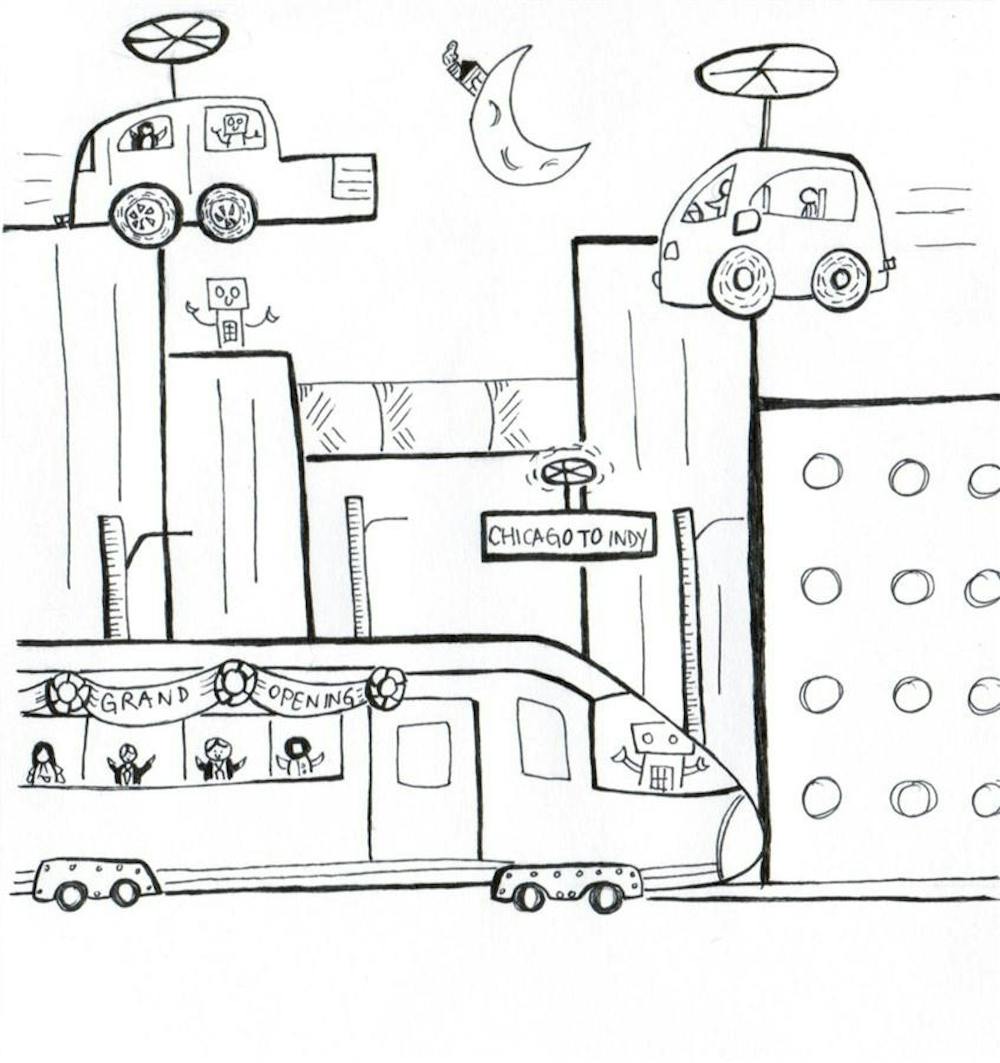
One of the many targets of the budget warpath includes President Obama’s new $53 billion high speed rail proposal. Connecting the major cities of the United States and spanning the entire country, the planned railway would bring high population centers closer together while meeting increasingly important sustainable goals.
The benefits of a national high speed rail system in America far outweigh these costs. They span from environmental and social gains to economic and political advantages.
Addressing the main Republican criticism of the program, the new train system will spur economic development in several ways. First, it will create jobs and labor opportunities during the construction and after the project is finished. The man power and technical skills needed to build a national transit infrastructure will definitely spur job creation across the nation.
Once completed, these new train stations and railways will require personnel to ensure everything from train operation to track inspection is fulfilled.
Second, the creation of a high speed rail will assist businesses in connecting with markets around the nation. The new transit system is intended to connect major cities and thus provide a more cost-effective way for business travelers to investigate new markets, meet with potential investors, and attend corporate meetings.
In comparison, Japanese Railways transports 6.169 billion people a year between the major cities of Japan. With such usage, there are relatively high opportunities to turn over a profit in the public transit industry. Overall, this endeavor can not only pay for itself but provide sizeable profits.
Finally, the cost of building this giant network of high speed rail is normally too steep for a private organization to fund itself or solicit from investors. While the endeavor may be cost-efficient in the long run, the high costs in the short run prevent the market from developing this network.
The government can shoulder the huge costs to provide for the greater good of society in the long run. The Federal Highway Act of 1956 did much the same thing. The government recognized an area of great commercial and economic benefit but found private corporations could not effectively or efficiently develop and maintain an interstate system. The nation took the initiative and developed one of the largest and most successful public works programs in the world. High speed rail is the next generation of transit and can become the next American success story.
The future rail system in American will inspire a new definition of transportation.
We want high speed rail
Get stories like this in your inbox
Subscribe