“Lost” is approaching its sixth and final season, leaving many fans to reflect on its cultural impact. However, many disagree on whether the show actually has cultural significance in America.
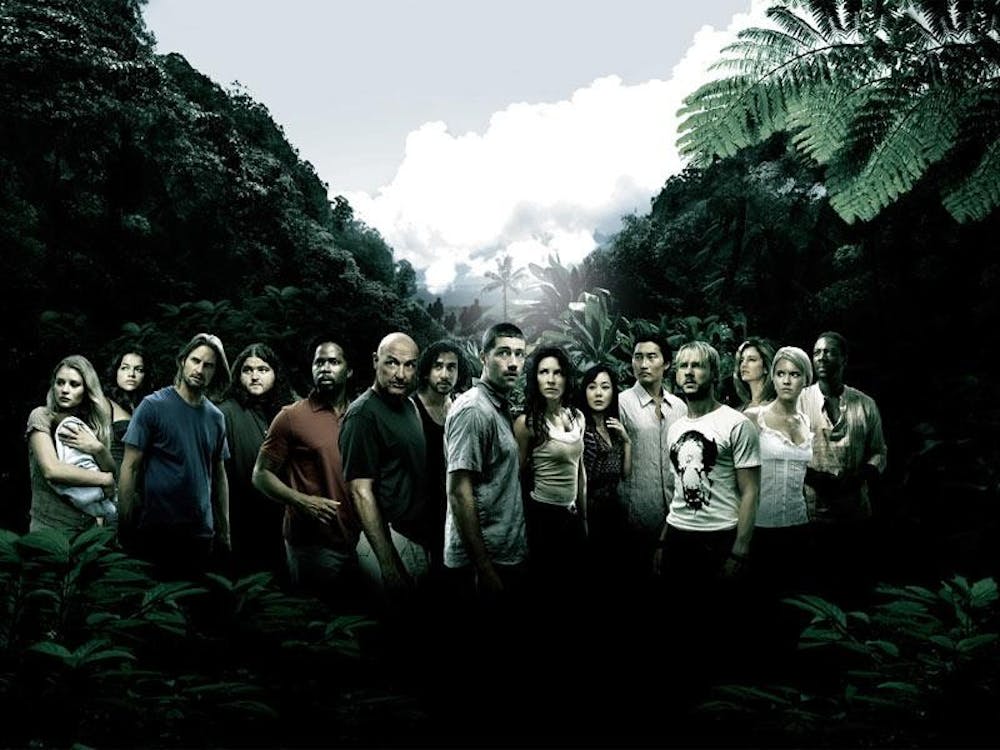
“Lost” premiered in 2004 and centers around a plane crash that leaves the survivors stranded on a Pacific island.
Christopher Anderson, professor at the Department of Communication and Culture at IU, said one of the unique things about the show is how each episode is like a piece of a puzzle.
“All of the pieces have to fit together in order for the story to make sense,” he said.
Anderson has watched every episode of the series.
The producers of the show made the move to announce early on, in the spring of 2007, that the show would end after the sixth season, he said. This led to many people feeling like they would get to finish the puzzle if they stayed connected to the television show long enough.
Because of that puzzle piece-like structure, the show was able to capitalize on the Internet culture that has skyrocketed while it was on air.
Anderson said fans came together on the Internet to talk about the plot’s mysteries and tried to make sense of it together as a community.
“There are tons of people that have tried to pull this all together,” he said.
A search of the television show generates a handful of Web sites that are dedicated to keeping track of the mythology. Most include a discussion area where people can talk about what happened in the episodes.
In addition, Anderson said the show succeeded because of big topics that were affecting the culture of America when the show started.
When “Lost” first began, the events and anxiety behind Sept. 11, 2001, were still real and fresh in the minds of television viewers. The show also played into the growing fear of globalization, and the plane crash that kicked off the series was an international flight that had passengers from Iraq, Korea and England on board, Anderson said.
“There is a sense, for me at least, of using a story to begin to understand the experience of globalization,” he said. “The experience of people of very distant parts of the world being connected in mysterious and unexpected ways.”
Although Anderson thinks “Lost” has played into and affected the American culture, not everyone agrees.
Julia Fox, a professor in the telecommunications department at IU, said “Lost” has had more of a psychological effect on fans rather than a cultural one.
She said because the show requires so much time and devotion from viewers, it has become an outlet to experience emotion. It has also become an escape for people because of the economy.
“They want to get lost in that fantasy world,” she said. “It’s a convenient way to experience emotion.”
Although Fox doesn’t think the show will leave a significant stamp on culture, the demand for the show is undeniable.
“There are enough viewers that it made the press reschedule the State of the Union,” she said.
'Lost' to history
As series nears its end, scholars debate long-lasting cultural impact
Get stories like this in your inbox
Subscribe