After freshman year, 64 percent of students opt to live off-campus, according to IU’s Common Data Set report. John Sacchini, owner and operator of Energy Design Home Inspections, Inc., is an Indiana-licensed home inspector. He said student renters don’t need to worry too much about construction and the structure of a home, but should keep a few essentials in mind.
IDS: What details in particular should a new renter look out for?
John Sacchini: The first thing would go back to the contract for rental. I would make sure that the homeowner defines what the homeowner is responsible for and what the renter is responsible for, like maintenance of heating and cooling equipment.
If something fails, like a dishwasher, whose responsibility is it to take care of it? Another thing to look for depends on whether it is occupied or vacant when you visit.
When you walk around, see about the owner. See if you notice odor, dog prints or dog scratches around windows and door cracks.
There could be a flea infestation problem or animal signs that could affect someone with an animal allergy.
They should also make sure that all the bedroom windows are operational by code.
They should be able to open up and stay open so that if you had to get out during a fire, the window wouldn’t be hitting you on the head.
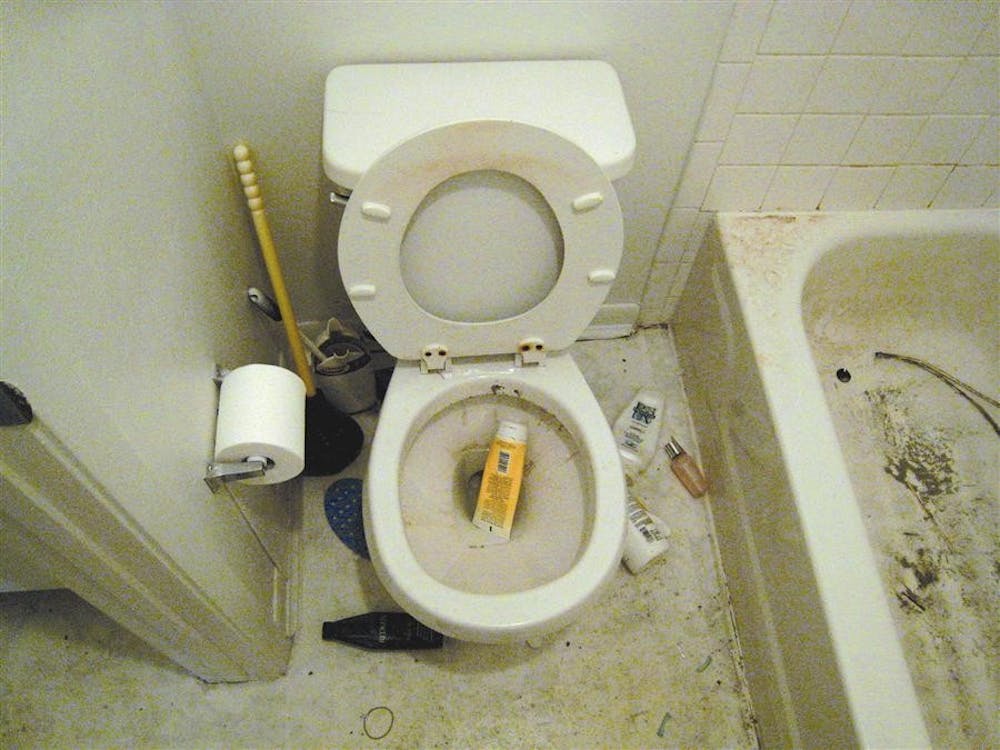
I would go around and flush the toilets to make sure that they flush. In the sinks and tubs, run just a little bit of water to make sure that they drain.
The general overall cleanliness is important, too. The homeowner – has he been maintaining the house?
Also, curb appeal.
When you drive up, is there a bunch of clutter? If I were a renter, I would probably try to find a place that was neat and tidy. It shows that the homeowner cares about the place.
If there is a problem, the homeowner will jump to take care of it.
IDS: What big problems do students often overlook when renting a home?
JS: Utility bills. Find out who is responsible for the utility bills. Is the house well-insulated? Ask if the homeowner can provide the renter an earlier bill, especially in the winter, so that the renter is not stuck with a $300 or $400 heating bill.
I would ask if the heating and cooling system has been maintained yearly.
IDS: What would the ideal rental house look like?
JS: I think it goes back to a statement I made earlier about the curb appeal of a home. They can know right away if trees aren’t overhanging the roof and there’s no clutter. When you walk inside, get a general feel. Does it look clean; does it feel clean, and does it smell clean? If a renter has allergies to molds and mildews, do they notice it when they go in there? Does it feel musty? If you walk in a place and suddenly you feel clogged up, or you go down in the basement and it feels damp and musty, I would not rent that place.
Sacchini also offered a tip for those who sign the lease and pack up their boxes to move in: Take a video camera around the house, or snap photos of problem areas. If there is damage to the house, but the renter has taken a dated picture to show the homeowner, the renter can save their damage deposit when they move out.
Inspection Guide
Get stories like this in your inbox
Subscribe