From the 1950s until 1991, the system of global political power and influence was bipolar, with power concentrated in Moscow and Washington, the capitals of the two global superpowers. After the fall of the Soviet Union in 1991, that power shifted into a roughly two-decade long highly unipolar system with power concentrated in the U.S.
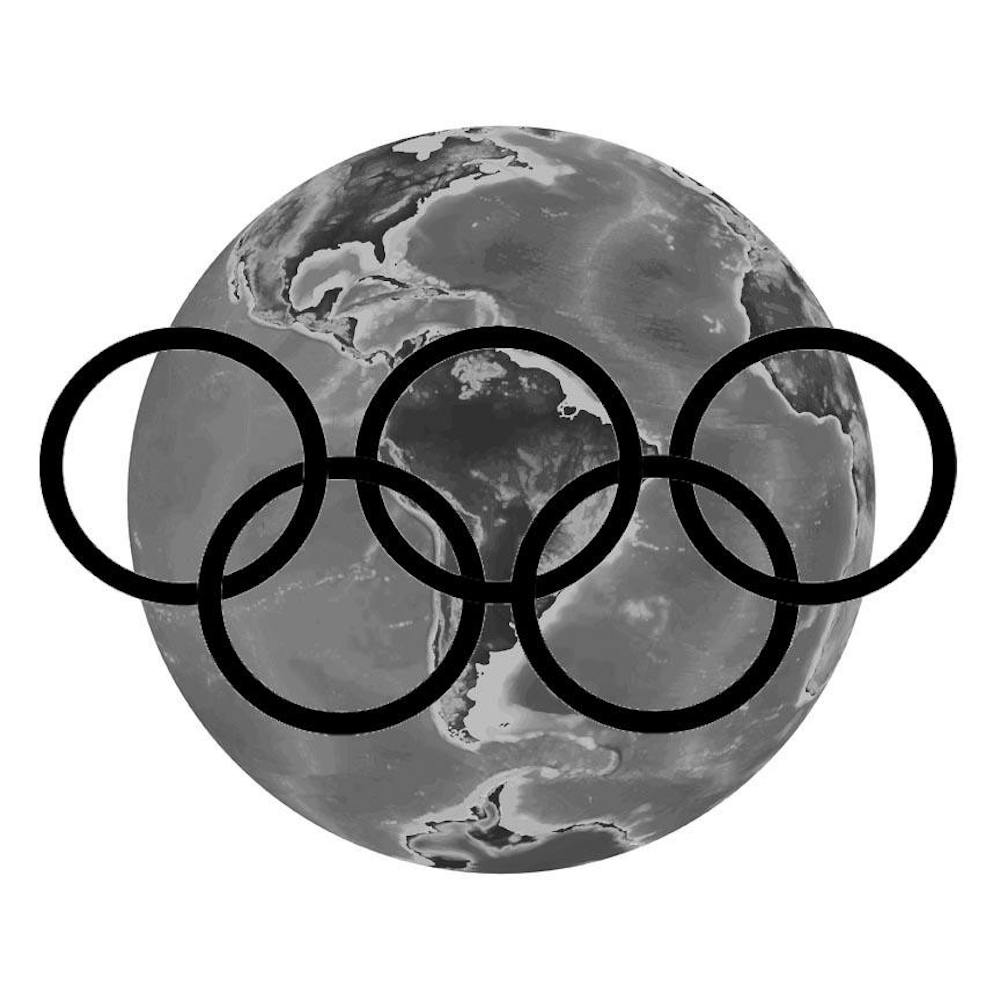
The decision by the International Olympic Committee on Friday to choose Rio de Janeiro as the site of the 2016 Olympics – in spite of unprecedented pressure from the White House to choose Chicago – is a watershed event that marks the beginning of a new global political era where power is not concentrated in one or two nations but diluted among many different states.
Global politics and influence is entering multipolarity, with power loosely concentrated in multiple locations around the globe. Gone are the days when all the United States had to do was say the word and the rest of the world would quickly follow. Decisions of global reach now must be made not by the United States alone, nor its allies, nor by the G8, which has been quickly overshadowed by the larger G20. They must now be made through interaction among the traditional international power brokers – like the U.S., Russia and the EU – working in concert with less traditional players with quickly developing economies like Brazil, India, China and Mexico.
While the decision by the International Olympic Committee did not itself change the dynamics of global power, it can and should be viewed as precisely the moment where the international political system moved unequivocally toward a more egalitarian power-sharing system and away from an America-centric view of world influence.
For the first time in history, the Olympics will be in South America. This is a good thing. The Olympics belong to the world – South America was long overdue for its turn in the spotlight. Despite President Barack Obama’s best efforts, the Olympic committee voted Chicago out in the first round, signaling that Obama’s magic – and America’s influence – do have limits.
The United States, without knowing it, has passed the torch.
Passing the torch
WE SAY The Olympic Committee’s choice of Rio de Janeiro represents the beginning of a new era.
Get stories like this in your inbox
Subscribe