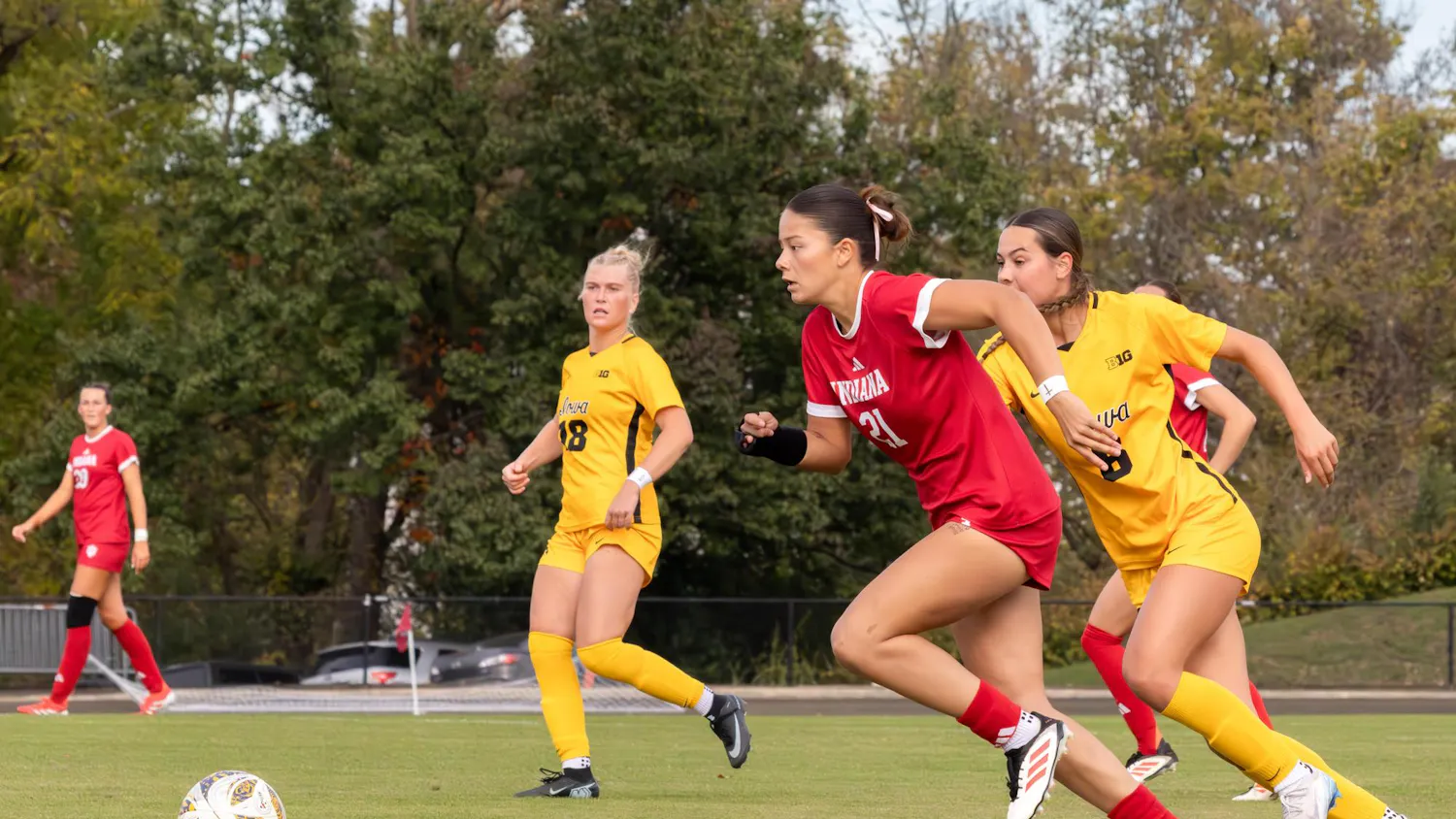
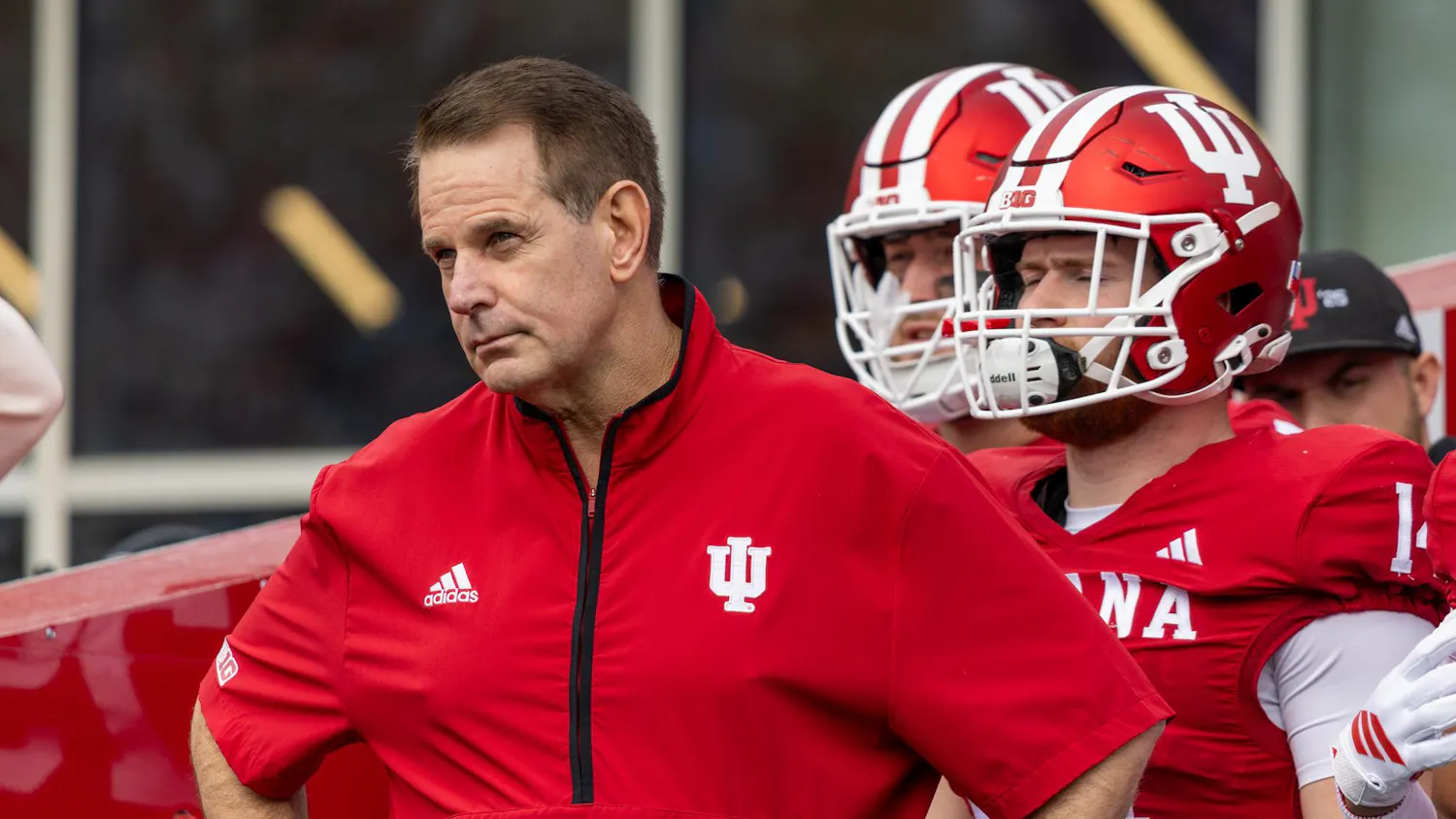
To have a successful team, several ingredients are necessary, such as good coaching, talented athletes and team unity. Perhaps the most important factor for a team to succeed, though, is its health. That's where the trainers come in.\nEvery sport at IU and all of the local high schools are armed with student athletic trainers. They attend every practice and game, giving the athletes much-needed assistance while receiving real life experience. \n"They say practice makes perfect, and the on-field experience is amazing," said junior Joe McGrath, a student athletic trainer currently with the men's and women's cross country and track teams. \nSenior Katie Culver, a student trainer working with Bloomington High School South, added, "I am definitely a visual learner, and actually seeing what we talk about in class is so valuable."\nWhile in the athletic training program, students are required to work more than 1,000 hours to graduate. Senior athletic trainer Rebecca Shaver's schedule keeps her busy on and off the field. She begins each day with early classes, then heads straight to the field to train from 2 p.m. to 6:45 p.m. On weekends she covers both practices and games of her specific sport.\nSophomores and juniors rotate from sport to sport, while seniors are placed with one sport the entire year. By rotating to various sports, the student trainers are able to see the best ways to keep various athletes healthy. While the hands-on experience clearly is valuable for the student trainer, it also can be beneficial for the athletes, said Ty Neal, IU's assistant baseball coach.\n"Anytime (the athletes) can communicate with their peers I think is a good thing," Neal said. "I think it's a great experience for the student trainers to be at practice and see everything on a daily basis."\nJunior football trainer Ryan Kroskie also said he values the field experience that athletic training offers.\n"With other majors, you go to class, and that's it," Kroskie said. "Here, you get to apply in class with what you're doing. In emergency situations you get to see it." \nIn addition to being an eye witness to things learned in the classroom, student trainers are able to practice their people skills, another important part of the job.\n"One of the most important things about being a trainer is developing a relationship with the athletes," said Kroskie, who in addition to football has worked with the women's soccer, rowing and track teams, as well as Bloomington High School North.\nGoing from team to team and even college to high school gives the student trainers plenty of variety to determine what environment is best for them: the more intense college world of sports or the high school scene.\n"You'll find that certain athletes treat you differently," said Shaver, who works with Bloomington High School North. "The high school athletes look up to you more." \nMcGrath said the inexperience of high schoolers with injuries leads to a different type of interaction with them as opposed to the college athletes. \n"High school athletes are more needy. College athletes have been through it before and have a better idea of what's wrong," McGrath said.\nWhile going to every practice and even traveling with the team can be hectic, the student trainers align their schedules with the athletes to make it to both class and practice. \nUpon completion of the program, student athletic trainers have plenty of hands-on experience, as well as an abundance of credentials to put on a job resume.\n"The people you meet, the things you do," Culver said, "you learn so much"
Trainers prove vital to IU teams
Get stories like this in your inbox
Subscribe