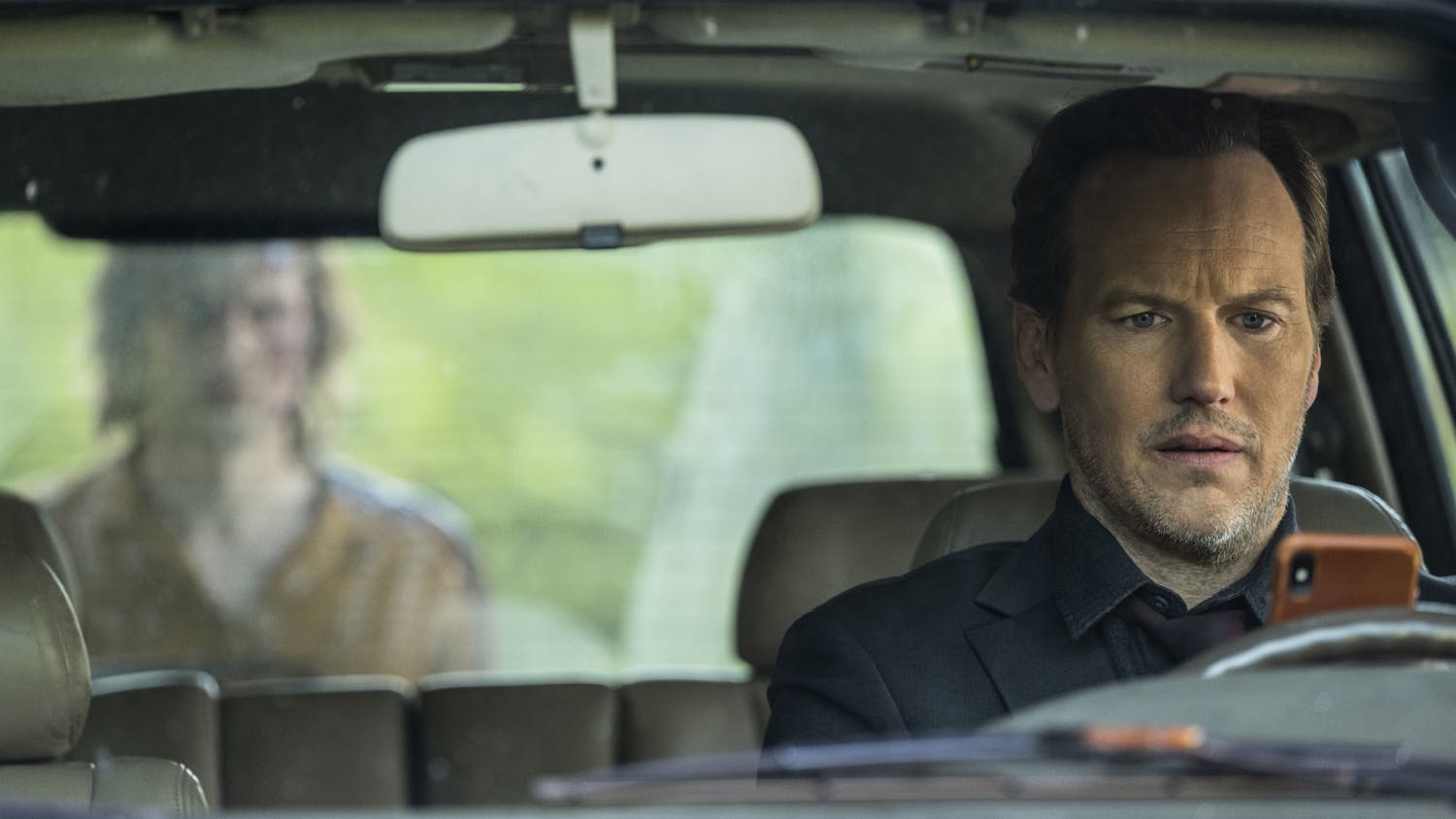
Kandahar - Not Rated
Starring: Niloufar Pazira, Hassan Tantai
Directed by: Mohsen Makhmalbaf
Showing: Showplace East 11
The Toronto Film Festival was carrying on business as usual. A small film dealing with the plight of the Afghan people under the Taliban's oppression called "Kandahar" was opening. Given little attention, it received mediocre reviews and was quickly left behind for bigger and better things. The date was Sept. 8. In three days, the future of this film, specifically concerning American audiences, would be violently thrust into a blood-red spotlight.
Iranian director Mohsen Makhmalbaf's quietly seething film is one of disturbing and unforgettable images. "Kandahar" looks and feels absurd and surrealistic, but these terms reveal the truth of our own American-made naiveté. This film is neither absurd nor surrealistic in what it depicts. "Kandahar" is a painting of brutal reality that few of us even know exist.
Based closely around the real events of lead actress Niloufar Pazira, Makhmalbaf's film tells the story of Nafas, an Afghan woman who fled to Canada with her family when she was child. But Nafas' sister was left behind after a land mine took her legs. Now, more than 10 years later, she is returning to Afghanistan to find her sister who has vowed to take her life during the last full eclipse of the millenium.
Purely in a cinematic sense, "Kandahar" is at times weak, the improvisational acting occasionally crumbling and character development at a bare minimum. But "Kandahar" is not about the storyline; it's about the situation in which the story is set. Makhmalbaf deals with two main themes: the barbaric oppression and degradation of women under the iron-fisted Taliban.
Heart-wrenchingly shot by cinematographer Ebrahim Ghafori, "Kandahar" tears our eyes wide open as we watch the crippled men of a Red Cross camp desperately hobble across white sand dunes, prosthetic legs on parachutes drifting down from blue skies. The camera looks deep into the despairing eyes of beautiful little Afghan girls as they are told they have no place in this society -- that they are forbidden any education, that they will live the rest of their lives in a house and if they need comfort, to think of themselves as ants and the house will seem much larger. We see Afghan women kept in cloth cages, the full-body burquas that deprive them of any shape or expression, never to be seen except by their husbands and used only for breeding.
Watching "Kandahar," I was filled with conflicting emotions. I was proud to be from a country where we are so blessed, where we have no idea how truly wonderful it is to live here. But more than this, I'm left wondering why it took the loss of more than 3,000 lives to open our eyes to the unacceptable truths of "Kandahar."