
Editor's note: All opinions, columns and letters reflect the views of the individual writer and not necessarily those of the IDS or its staffers.
Nowadays, anyone can post videos on social media, openly and with less fear of judgment, because they enjoy expressing themselves. The algorithm helps them find niche communities where people share the same interests.
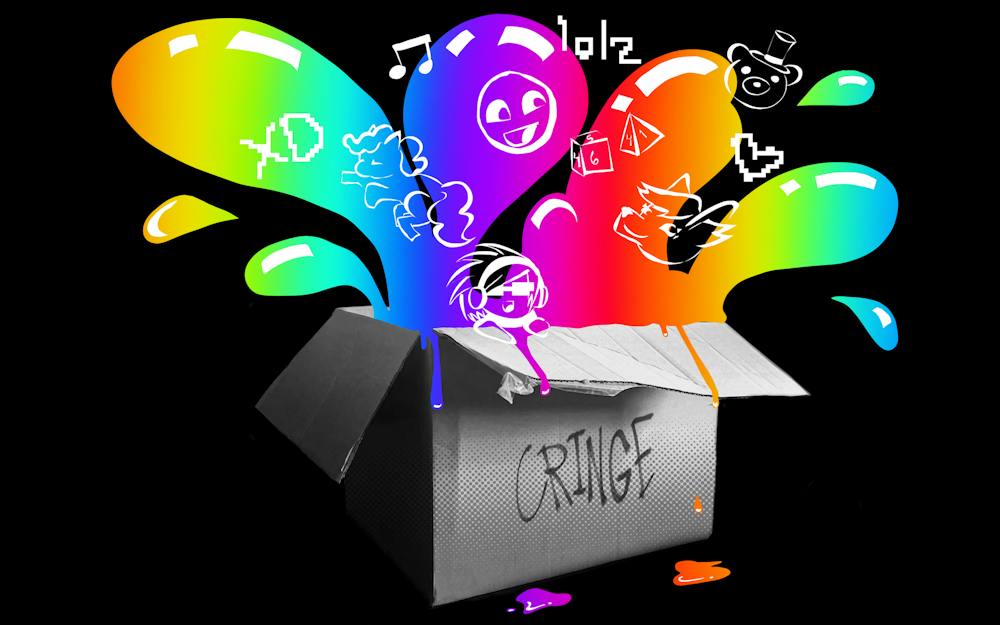
But there was a time when these communities didn’t yet exist and posting videos online was considered “cringe.”
Research suggests “cringe” is the feeling we get when we see someone do something awkward or embarrassing, often when trying to look cool or impress others. Sharing the things we love can feel “cringe,” especially when we worry about what others will think. Maybe we want to share our interests but end up making a reference only we understand. Maybe we drone on about a show or movie we enjoy, making an awkward — or even worse, nerdy — impression.
There were once entire topics considered “cringey.” Between 2018 and 2019, some people looked at you weird because you liked anime, K-pop or teen drama shows so famous during those years, like “Soy Luna.” I remember the people who admitted to enjoying any of those were instantly shot a side-eye, followed by a very awkward silence.
But over the years, especially on social media, those once-niche interests have become more widely accepted because people can find communities that embrace them.
People now make videos talking about anime shows, cosplaying their favorite characters or dancing to K-pop choreographies. Before, if you wanted to be an influencer, you had to craft an “image.” You needed to post polished content and follow trends to increase your chances of going viral. Social media is highly curated today, and the pressure to be a certain person online is there. But now many communities are built solely around specific interests, connecting people with others who share what they love.
Of course, social media still has the power of making us feel like we are performing and creating our brand even when we express our true selves. We still share our lives with an audience, and the likes, comments and views make us think about how others perceive us. But it has also made it easier to find our people, and that is freeing.
Maybe social media didn’t make us stop caring about being perceived as cringe. Maybe it made it easier to find people who don’t think we are weird for liking what we like.
And I think social media can still help us to overcome the fear of being cringe The Internet makes it easier for us to find people with the same interests we have, and we realize that we are not the only ones who enjoy them, making it easier for us to enjoy and share what we love.
Ellie Hooper, global vice-president of The Goat Agency, a social media and influencer marketing agency, argues that creators can now build their audience based on those topics because Gen Z grew up with algorithms, online forums and other community-driven platforms that made it easier for people to discover and commit to specific interests.
The reaction to being “weird” has changed because it does no longer mean that you are alone. You may be the only person in your friend group who likes a certain anime, but you can find people online that can quote exact scenes you love or engage in heated debates over storylines. The same goes for other niche interests that might have earned you a side-eye in the past.
The phrase “to be cringe is to be free” reminds me to not focus so much on how others perceive me and more on what I actually enjoy. I remember how scared I once was of admitting to my friends that I liked an anime series, because they used to call anime weird. However, social media helped me find small creators that discussed those shows, connecting me to a larger community of fans. Now, I see social media as a medium that allows me to express my interests.
Every time I open TikTok, I see videos of people dancing in public, cosplaying their favorite characters and engaging in a discussion over topics within fandoms. I feel happy seeing that because there was a time when people had to hide those interests and openly sharing everything you loved was seen as weird and could feel like it cost you your social life forever. Now, people can express what they like freely and even if the confidence in real life could not be as strong as online, not being considered “cringe” by a community makes it easier to accept what you like.
But now, rejection is something people are not scared of anymore. Being cringe allows us to be free.
Astrid Alomia (she/her) is a sophomore studying journalism with a concentration in public relations and a minor in marketing.



