
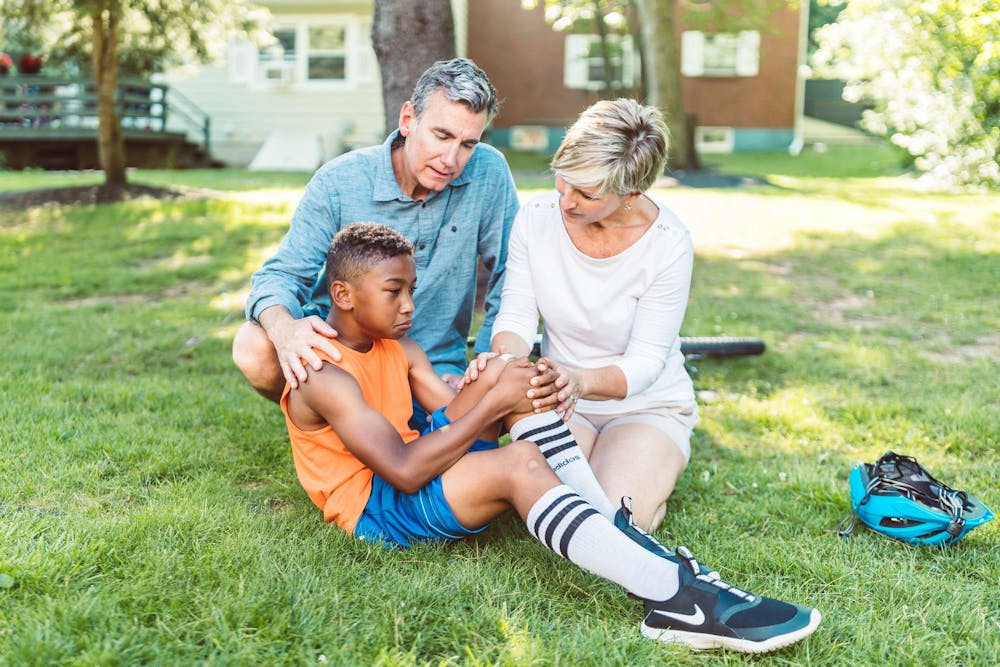
Parents send their kids off each morning expecting one thing above all else: that they'll come home the same way they left. Healthy. Intact. Fine.
This happens most of the time, but schools aren't accident-proof bubbles. Gym class goes wrong. A lab experiment doesn't behave. A kid trips on the playground, or something happens on the bus during a field trip. It happens more often than most parents realize until it happens to them.
So the question families end up asking, usually after the fact, is whether the school itself can be made to answer for it. Especially if there are healthcare costs such as counseling involved.
It depends. Whether you can sue, and how brutal the process turns out to be, hinges on a few things most people don't see coming until they're already in the middle of it.
Public vs. Private Schools
Private schools first, since it's the simpler case. They run like businesses, legally speaking. Negligence hurts a student; the school can be sued more or less the way a gym or a daycare could be.
Public schools are government entities, which means sovereign immunity often comes into play. A legal doctrine built to make it harder to sue the government. Most states carve out exceptions, and they tend to cluster around a few things: a maintenance failure, a bus accident, an employee who just didn't do the job they were supposed to do. Where those exceptions start and stop depends entirely on the state, which is part of why two nearly identical accidents can play out so differently depending on the zip code. Families trying to make sense of their own situation can dig into a closer breakdown of school liability for injuries, since the exceptions that actually apply often depend on details most people wouldn't think to ask about up front.
Proving Negligence
Public or private, the legal test underneath it all is usually the same: negligence. The school owed a duty of care. It failed that duty. The failure caused a real injury, with real damages attached: medical bills, ongoing pain, whatever it happens to be.
That duty covers more than people assume. Teachers supervise children during class time and break times. Administrators keep buildings and equipment in working order. Bus drivers follow traffic laws and actually keep an eye on who's on the bus. Somebody drops one of those balls, a kid gets hurt, and that's usually where a claim starts to take shape.
Common Scenarios That Lead to Claims
None of that means every scrape ends up in a courtroom. There's a real gap between an injury nobody could've prevented and one that happened because someone dropped the ball. Tripping during tag at recess? That's just being a kid.
Getting hurt on equipment the school already knew was broken and left broken anyway could have legal consequences.
Deadlines Matter More Than People Expect
Every state has a statute of limitations, a hard deadline for filing a personal injury suit. Claims against government bodies, public schools included, usually come with even shorter notice windows than claims against private parties do. Miss it, and an otherwise solid case can get thrown out entirely, regardless of how bad the injury was. Laws like Georgia's personal injury statute of limitations make that painfully clear.
These timelines and immunity rules shift so much from state to state that families are routinely blindsided by how differently two similar accidents get treated, especially once state-specific deadlines and exceptions come into play.
What Families Can Do After an Injury
A few things help, and they help a lot, if a student gets hurt at school. Get medical attention right away. It documents the injury and ties it directly to what happened. Ask for a copy of the school's own incident report; it's their account, on record, and it's worth having. Take pictures of the scene if you're able to, and grab witness names before memories start to blur. Keep a record of medical visits, missed school days, and related costs. All of it counts if a claim ever goes anywhere.
The Bottom Line
Schools aren't automatically responsible when a child is injured. But they're not automatically off the hook, either. It comes down to the type of school, what actually happened, and whether the people responsible met a reasonable standard of care. Given how much nonfatal childhood injury remains a public health concern nationwide, and how unforgiving these deadlines tend to be, most families come out ahead by understanding their rights early.


