
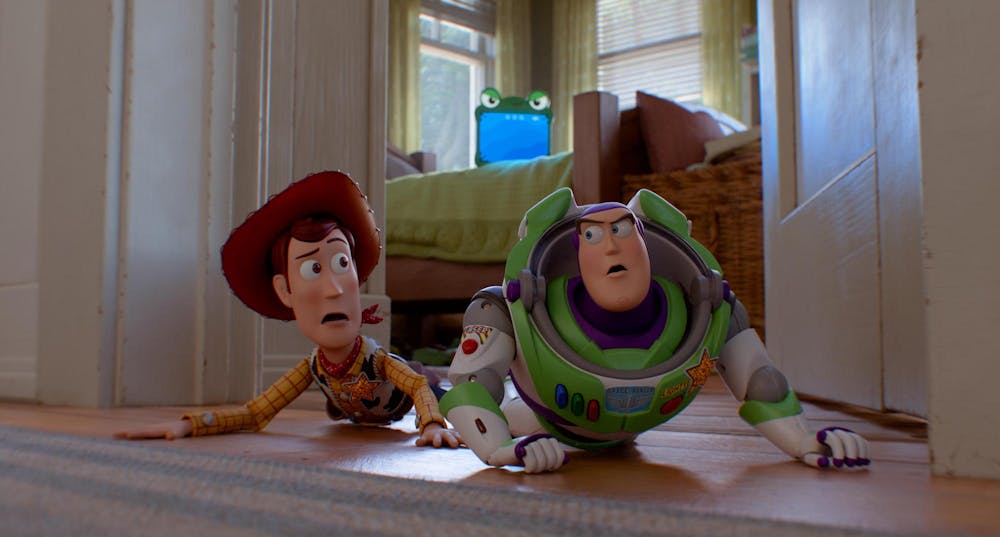
There are some stories that need to be untouched. Not because I didn’t like the movie, but because the story was already so concrete, I didn’t need it anymore.
Take “Toy Story” for example.
After “Toy Story 4,” fans believed the story had come to an end. Both kids and adults said goodbye to the characters, giving the feeling that the story reached a satisfying conclusion.
This summer, however, here we are again, joining Woody, Buzz and the rest of the gang on a new adventure. Revisiting those characters years later makes us question if the franchise’s expansion is done in a meaningful way or if is continuing after founding the ending.
No matter what, this new material changes the way we see the old project. Maybe that change is for the better, but in the worst-case scenario, it could weaken the franchise by undoing a satisfying ending or changing beloved characters in ways that no longer feel true to who they were.
This is different from how it used to be.
The 1980s were a decade of remarkable creativity in the film industry. “Back to the Future,” “E.T.” and “Ghostbusters” were launched during these years which showed a public interest in new original films. In the ‘80s, there was also a rise of a new genre, the coming-of-age movie, which was perfected during this time with movies like “The Breakfast Club.”
Going back to franchises has been a common strategy during these last years in order to attract more audiences. However, as long as audiences continue filling theaters for sequels, remakes and live-action adaptations, Hollywood will keep making them.
The problem is that Hollywood is not taking as many risks as they did in past years.
But Hollywood is not alone.
Nowadays, many creative industries, including film, music and publishing, reward certainty over experimentation.
Social media algorithms analyze what users watch, like and share, then recommend similar content to keep them engaged longer. The more time people spend scrolling, the more advertising they see, making familiar trends more profitable than introducing something entirely new. than introducing something entirely new.
Companies often apply the same logic by relying on recognizable brands instead of risking years of investment on ideas that may not attract the same audience. Creativity has become a balance between originality and financial security. And while businesses could still want new ideas, they also need those ideas to succeed, and familiar names are often the ideas that come with a higher chance of financial success.
Due to this change, the creation of a new and original movie can be successful, but it has to offer audiences something they have never seen before while also convincing them to take a chance on an unfamiliar story.
However, taking that risk is not easy to do which is why studios keep returning to what they already know.
“Toy Story 5” is a good example. In its opening week alone, the film had grossed more than $160 million in North America, while internationally, it had more than $150 million. Long before the viewers entered the theaters, they already knew Woody, Buzz and the world they were returning to. That familiarity becomes one of the movie’s greatest strengths.
Established franchises already have something original films must earn: public recognition.
The announcement of a reboot, a sequel or a live-action adaptation is often enough to spark conversations among the fans. People will recommend those films to friends, they will share the trailers online and revisit the original films to bring back the feeling they had from the start. They become part of the marketing without realizing it and it starts long before the movie reaches the theater.
Hollywood is not lacking creativity.
Instead, it is trying to remain successful by building on stories that audiences have already embraced. Nostalgia is more than a feeling now, it has become a business strategy. Returning to familiar characters allows the studios to reconnect the older audience with their childhood while introducing those franchises to new generations. The remakes and sequels are not only about revisiting the past but also ensuring that those stories will continue to attract future audiences.
Will there be reboots or sequels that end up not being what we expected? Definitely. But their popularity shows that audiences continue rewarding familiarity, giving them another chance to be successful films.
So, perhaps the question is not whether the film industry has run out of ideas, but whether audiences are willing to support original ones with the same enthusiasm.


