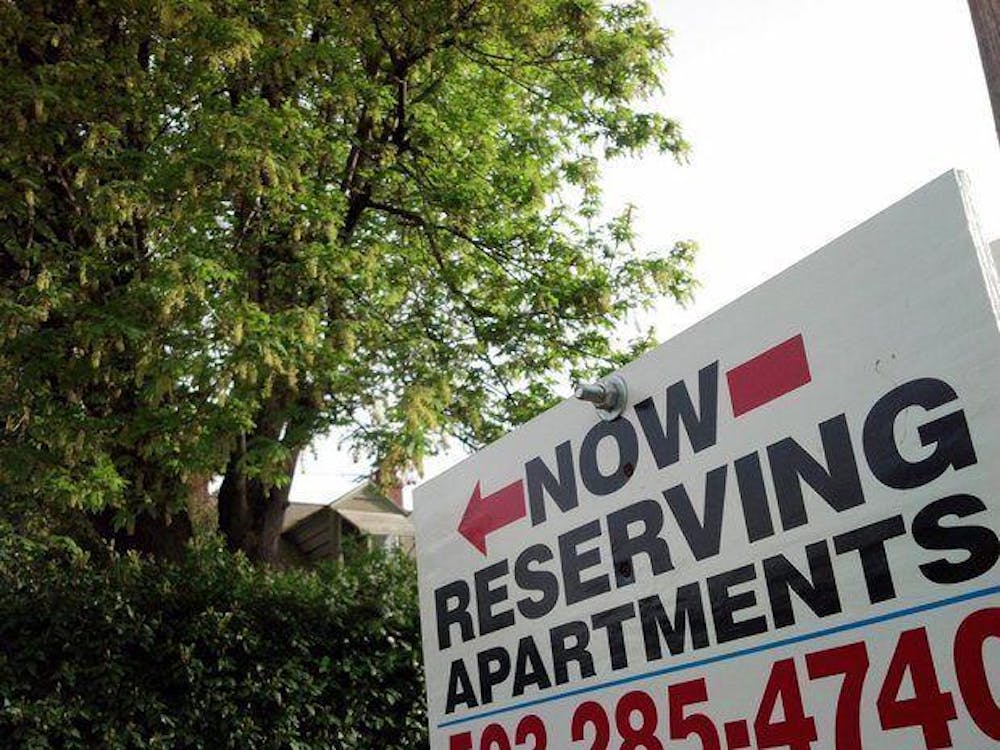
Though I’ve been fortunate enough not to have to sublet my house, I’ve watched friends go through the process, and it’s rarely stress free. Subletting involves uncertainty, paperwork and trusting a stranger with your house or apartment. It isn’t easy, but with the right preparation, it can be manageable.
There are plenty of reasons one may have to sublet in college. Studying abroad, not getting along with a roommate, graduating early or transferring schools can all make it impossible to stay for the remainder of a lease. Financial reasons can also play a role, as paying rent for an apartment that isn’t being used can cause unnecessary strain. Subletting offers a practical solution: you can fulfill your lease while adapting to different circumstances.
The first step to subletting is determining whether it is allowed where you live. Before making any decisions, review your lease carefully and look for clauses related to subletting. For more information IU Legal Services offer free lease review. Some landlords require written approval, while others prohibit subletting altogether.
One of the most important steps is communicating with your landlord as early as possible. Being upfront about your situation and timeline helps establish trust. Landlords who may initially be hesitant are often more receptive when they feel informed and involved.
After that comes the most critical part: finding the right person to sublet to. There are several resources available, including Facebook groups for students seeking roommates.
Social media groups aren’t the only way to find a subletter. In many cases, opportunities come through personal connections like your roommate knowing someone who needs housing or hearing your friends and classmates talk about finding a place to live.
Regardless of how you find potential subletters, it’s essential to vet them carefully. Rushing the process can lead to issues later down the road including making the other tenants uncomfortable, choosing someone who doesn’t pay rent on time or someone who violates other terms of the lease.
Once you’ve chosen a subletter, make sure all terms are documented in writing. A sublease agreement should clearly outline rent, move-in and move-out dates and any additional responsibilities.
While subletting can be stressful, taking these steps can make the process far more manageable. With clear communication, careful planning and the right subletter, you can protect yourself and your lease.
This story was originally published in the Indiana Daily Student’s spring 2026 Housing and Living Guide.