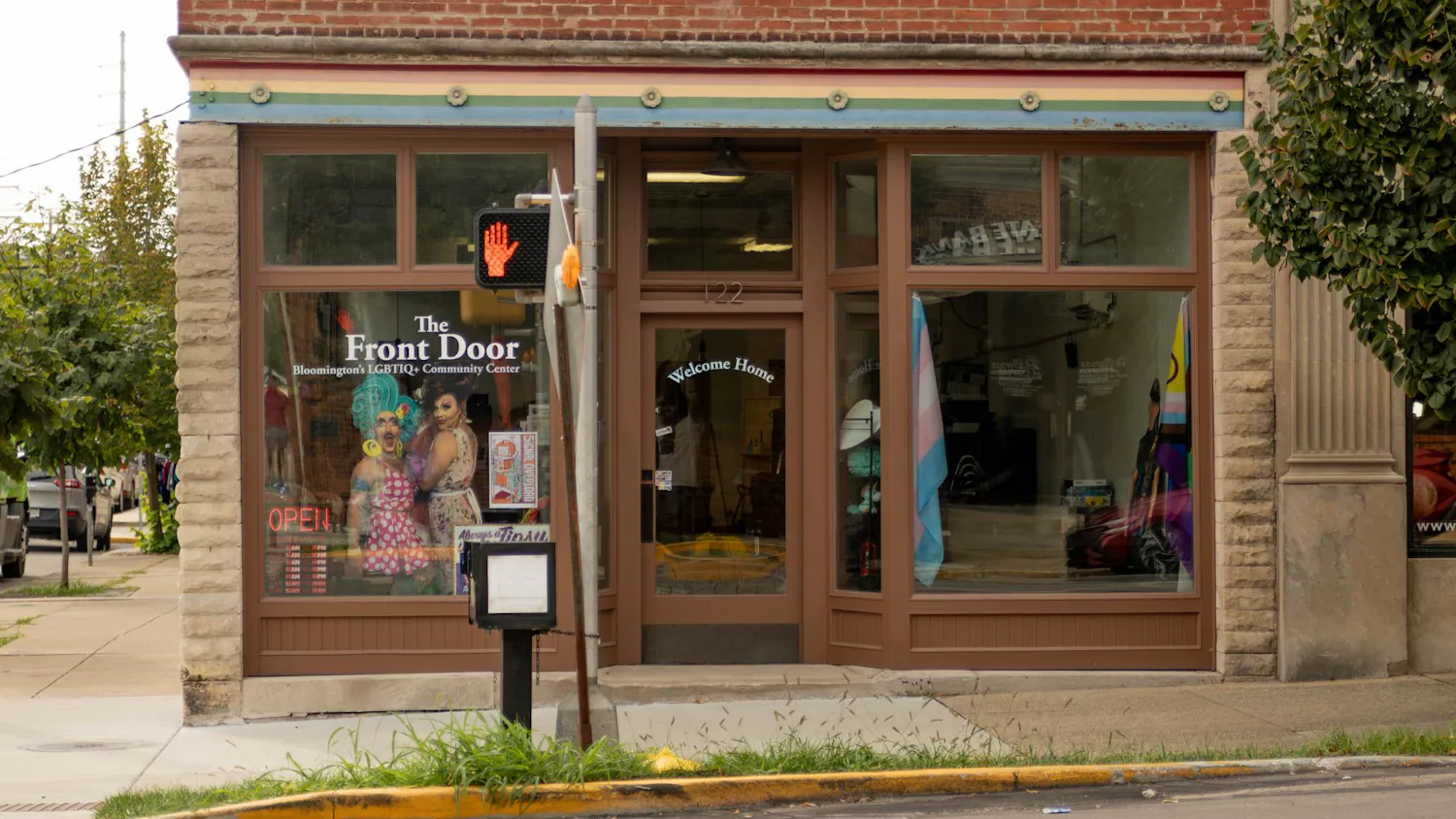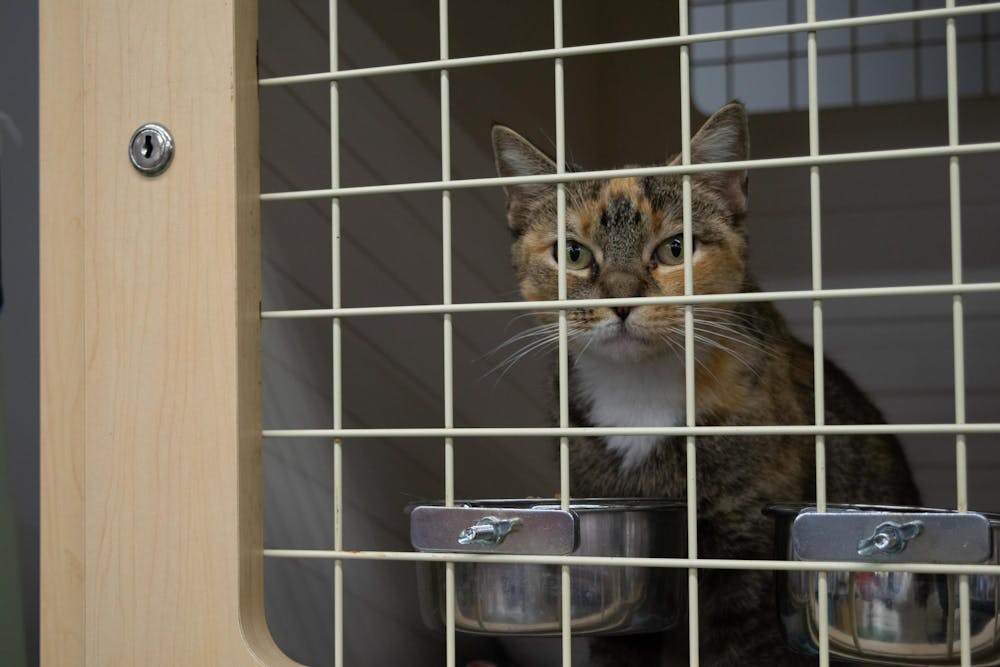
The Monroe County Humane Association has no full-time veterinarians.
It’s not because they don’t want to hire any. They have a team of part-time vets, and Executive Director Andrew Krebbs says he’d love to be able to have a full-time one.
But the pool of available veterinarians is very small, Krebbs said. And on top of that, the MCHA’s veterinary clinic is a nonprofit, and one of the most affordable in the community, he said.
A lot of people seeking vet care are out of options by the time they get to the MCHA’s clinic because they can’t get in everywhere else.
Meanwhile, he said, MCHA’s fixed costs, like medical supplies and pharmaceuticals, have continued to rise.
“The demand is definitely there for our community to have more veterinarians,” Krebbs said. “There’s just not enough people that are, you know, seeking to go into vet school.”
Monroe County, he said, like Indiana, doesn’t have enough vets to go around for everybody. But a bill authored by State Senators Shelli Yoder, a Democrat representing Bloomington, Jean Leising and Susan Glick could change that.
Senate Bill 56 is intended to address the state’s veterinary shortage by allowing the Board of Veterinary Medicine to give licenses without an exam for applicants with licenses and experience in other states.
Leising, a Republican representing Oldenburg, said the bill was a “big step forward in addressing the need for more veterinary care for livestock in our state.”
Denise Derrer Spears, the communication director of the Indiana State Board of Animal Health, said the shortage was due to a number of factors. She said pet ownership increased during the COVID-19 pandemic, and more people started noticing their pets had health issues because they were home with them all day.
There’s also a shift in the number of folks that want to go into veterinary medicine, she said, and vet school is expensive. Tuition at Purdue University for veterinary school for Indiana residents is $90,000 and over double that for non-residents. At Purdue, over three-quarters of 2024 graduates had debt, and the median debt was $131,553.
Spears said the Board of Animal Health started hearing about the shortage from the food animal sector.
“That’s a lot to be paying off when you think about it afterwards,” Spears said. “If you want to be a large animal veterinarian, it’s very expensive to get into that sector.”
To take farm calls, she explained, a vet would need a truck, equipment, a cooler to keep drugs in and animal handling supplies.
She said the Board of Animal Health heard a lot about how people in rural areas need a veterinarian for their large animals, and they don’t know who to call. Hard data regarding the veterinary shortage is hard to quantify, but the Board keeps track of veterinary deserts based on information they anecdotally collect.
“We have some counties in the state where there is not a veterinarian in the county,” she said. “A lot of farmers are having difficulty identifying who to get.”
Clinics have also switched to models where they stop seeing large animals, Spears said, rather than taking farm calls.
The shortage doesn’t just impact Indiana, though — it’s a national issue. So even if the bill makes it easier to recruit veterinarians across state lines, it still might be difficult to get them to come to Indiana if other states are also facing shortages. A map from the U.S. Department of Agriculture shows that all states bordering Indiana have multiple shortage areas.
“There are a number of veterinarians who do work in multiple states,” Spears said. “So trying to lower those barriers to being licensed in Indiana, because, you know, even if you lived on the border, you know, just across the line from Terre Haute, you can’t come practice in Indiana.”
Myranda Jennings, the president of the Indiana Veterinary Technician Association, said she’s glad people have eyes on the problem. But focusing on recruitment and use of vet technicians, she said, is what will really help draw people into Indiana.
“They’ve got to get paid a living wage to be attracted,” Jennings said. “To come to Indiana and stay and work in large animal, or those rural areas.”
The bill passed the Indiana Senate on Jan. 6 and was referred to the Committee on Agriculture and Rural Development in the House.