
Editor's note: All opinions, columns and letters reflect the views of the individual writer and not necessarily those of the IDS or its staffers.
“The pen is mightier than the sword” may sound cliche, but picture this:
A reflective blade slices through air. Cold, iron-plated metal flashes in the blink of an eye.
The sword suddenly sounds more dangerous than this generic idea of the “sword” itself, right? With proper discipline and the initial motivation to begin a new project, writers can take simple words and turn them into meaningful stories.
However, with a seemingly endless list of daily to-dos, 21-time New York Times bestselling author Jerry Jenkins says it is far easier to quit than to finish. There’s no lack of resources available when it comes to writing a book, but a lack of motivation and discipline get in the way and is the reason why many stories remain unfinished.
If we wait for motivation to strike and for that creative spark to come to us, we will be waiting forever to pick up our pens again. We may write for an hour or so before leaving our projects dormant for a week. Then, once we revisit our work, we may forget or want to rework pieces of the story, creating a never-ending cycle of incomplete projects and unfulfilled discipline.
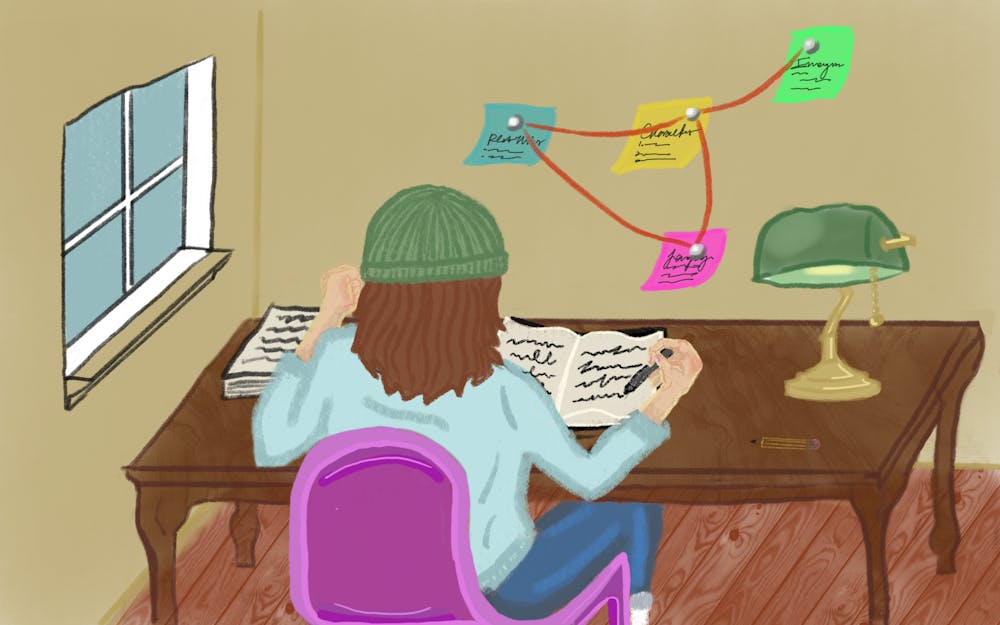
That’s why, unsurprisingly, the most common advice for aspiring writers is simple: just start. Plot the different characters and their personalities along with the climax and layout of the story.
I started a novel project over the summer. My aspiring-author friends told me creating the characters would be the most exciting part — and they were right, I found joy in forming the characters as if they were real people with hobbies, interests, favorite colors and personal goals. I worked on the project during the summer but dropped it after I sustained a hand injury. However, I hope to be able to pick up the project again soon. With academics being a commitment, I struggle with the discipline to make time for writing myself.
Learning from people who have already succeeded is another useful tool. It would make sense, at least to me, that someone who has already published their stories and projects is likely to have more knowledge on how to approach common challenges such as publishing and outlining.
Cheyenne Betz from Ameredian compiled a list of the best writing apps, both paid and free, for 2025. Stephen King has written a book titled “On Writing” is a good example of resources in the form of books as well. The book combines his life story, as well as a guide to writing as a craft. Reading books about writing can lead you to implementing some of the advice into your own writing. You can take an already bestselling author's advice and weave it into your own current strategies — whatever they may be.
I recently stumbled upon a Reddit post where an anonymous user compiled a comprehensive list of resources for writers including podcasts, websites, blogs, books, places to get your writing critiqued, tips for self-publishing and more. These resources can help you understand the different pathways to getting your work out in the world. I haven’t tried these tools yet, but it’s something I plan to investigate further once I pick up my project again.
Personally, the most effective and easy-to-follow advice has been John Green’s YouTube video titled “8 Things I Wish I Knew When I was Writing my First Novel.” Green recommends writing 1,000 words a week so you don’t lose connection to your story and so the cycle of forgetting to write doesn’t occur, but he says the recommendation is flexible. I love the idea that Green doesn’t have a schedule for when to write or a specific number of words he writes each day. It allows for a creative flow of work while still maintaining the barriers of regulation. Writing can be challenging; it’s not easy, but implementing tips and tricks like this can help the process. Different tips may match different types of work, but in the end as long as Green maintains 1,000 words a week, it seems to be his form of discipline.
Green feels if he doesn’t write 1,000 words a week, he may not write again for months. It’s a cycle many writers face. Without some form of discipline, our dreams of writing cannot come true.
I have used this method myself and found it to be very productive. Without a strict schedule, I felt less pressure to maintain a certain amount of progress — even when at the back of my mind, I knew I wanted to write at least 1,000 words that week. I was able to keep this up the entire summer, until an injury to my hand hindered my progress.
Consistency is key. Last week, a friend of mine introduced me to the Pomodoro method: Write for 25 minutes, then take a five minute break. After multiple rounds, take a longer rest. This structure can help maintain focus and limits burnout. For example, you can dedicate the first 25-minute period to reading where you last left off, the next to editing your prior work and the following to adding more writing.
With an abundance of resources to help you write, as well as methods to stay focused, I truly believe anyone can be a writer, and eventually an author. As Indiana University students, we have access to writing clubs on campus such as Lifewriting Club and Writers Place, that support writing in the form of workshops available right at our fingertips! I've attended some Writers Place meetings in the past, and I found it to be very helpful. Club members submitted a portion of a recent story, and other members gave advice and tips on how to improve the story. The club also had writing prompts at the start of meetings, and hosted guest speakers with experience in publishing.
Writing isn’t easy, but with a little discipline and time each week, writing something you’re proud of is possible for everyone.
Aryana Amin-Tehrani (she/her) is a senior studying marketing, management and digital and social media business applications.



