
While many are receptive to the challenges Congress faces, most feel members of Congress are failing to do the necessary work to actually achieve change, the study found.
To the question “Overall, do you approve or disapprove of the way Congress is handling its job,” 81 percent of respondents said they disapprove.
When asked, “Who do you think is more responsible for the policymaking gridlock in Washington,” almost two times as many people say Congress is the primary culprit than those who blame President Barack Obama exclusively.
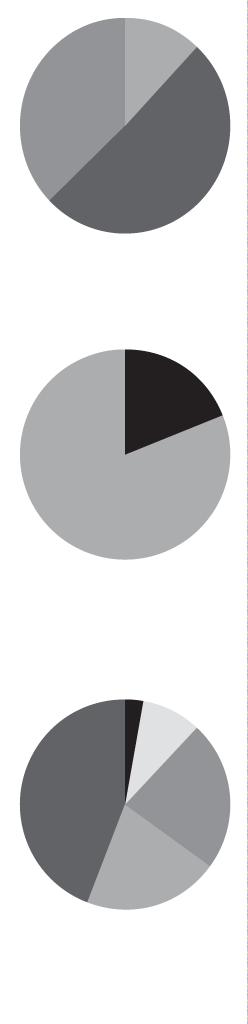
Equal
Less
polarized
More
polarized
Overall, do you approve or
disapprove
of the way Congress is
handling its job?
Approve
Disapprove
Using a grade A to F,
please grade the current
Congress’ performance in
keeping excessive
partisanship in check:
A
B
C
F
D
SOURCE: IU Center on
Representative Government
GRAPHICS BY EMILY
ABSHIRE |
IDS
The annual survey covers public perceptions of Congress and is overseen by Edward G. Carmines, Rudy Professor of Political Science in the College of Arts and Sciences.
“Americans recognize there are a lot of diverse opinions in the country, and that those opinions are often reflected in Congress,” Carmines said.
“But they do expect Congress to make some progress. Its policymaking capacity is just not very evident. When Congress seems to be immobilized, playing politics so much of the time, unable to address the country’s problems, there’s a diffuse disappointment and even anger that attends to the institution.”
Although progress is expected, the poll showed people understand some issues are too partisan to easily achieve a compromise.
Less than half of the public expected members of Congress to compromise on abortion and gun control. But by contrast, a majority of those surveyed said compromise should be possible on national security, immigration, health care and taxes.
“Americans recognize that trying to get agreement in Congress is not easy,” Carmines said. “It’s very difficult. There are lots of different solutions, lots of different priorities. But they expect Congress to at least work at it and not to simply exacerbate differences on major problems facing the country.”
More than 75 percent of those surveyed said either special or self-interests motivate most members of Congress.
When asked if “information from my members of Congress is trustworthy,” 54 percent disagreed.
To the question “Do members of Congress listen and care about what people like you think,” 62 percent said “No, not most of the time.”
In the grading portion of the survey, the public consistently gave Congress D’s: a D on “keeping excessive partisanship in check” and “controlling the influence of special interest groups”; D+ grades on “dealing with key issues facing the country” and “holding its members to high standards of ethical conduct” and “conducting its business in a careful, deliberate way.”
The survey suggested the American people would be patient if Congress prioritized thoroughness over speed.
When asked, “Is it better for Congress to pass legislation quickly and efficiently, or take the time to consider issues thoroughly and carefully,” 83 percent chose the “thorough and careful” path over speed and efficiency.
The 2015 findings are based on a nationwide survey of 1,000 people conducted in November and December by the Internet polling firm YouGov Polimetrix.
Taylor Telford



