Anyone who’s ever read Roger Ebert’s blog knows exactly how intelligent and mature all of the people who comment on his blog are. They are exactly the group of people who know all about Ebert’s illness, his vocal handicap and why there is no need to feel uncomfortable at the thought of him appearing on his brand new movie review TV show.
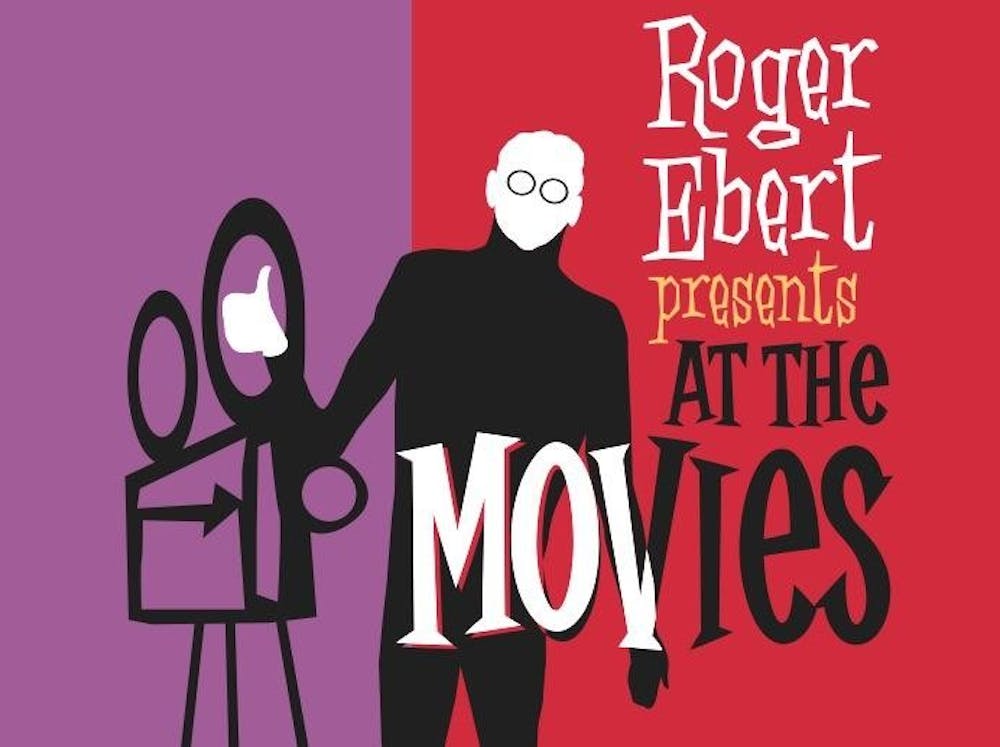
That’s right, starting this January, “Roger Ebert Presents At the Movies” will debut on PBS in the same place where Ebert’s original show was born back in 1975, and it will feature Ebert’s return to television.
Ebert has often stated he believes there is a large, inbred audience for people who want intelligent discussion on film, but the nature of simply a half-hour movie review talk show on syndicated television is an old fashioned idea. With new critics, a new angle and his own name recognition, Ebert almost contemptuously swipes the show’s name from his legacy show that was cancelled no more than a few weeks ago.
The show’s primary film critics will be Christy Lemiere of the Associated Press and Elvis Mitchell of National Public Radio, and the two will be the ones doing the debating with Ebert’s patented thumbs.
The show will also feature guest spots by Kim Morgan of MSN Movies and Omar Moore of the San Francisco Film Critics Circle. Their inclusion will allow the show to branch out into more than simply two people arguing. In the pilot, Morgan revisits Carol Reed’s masterpiece “The Third Man,” and Moore discusses how the Internet allowed Pedro Almodovar’s “Broken Embraces” to achieve public acclaim.
Ebert himself even appears in a segment called, “Roger’s Office,” where he sits at his computer typing as his digital voice recites his review of an overlooked film, in the pilot’s case, a documentary called “45365.”
I can only hope the show succeeds, even if it never returns to syndication. Producers Ebert and his wife Chaz know what they’re doing, they know what smart people want and they know a lot about film. Ideally Lemiere and Mitchell will be as exciting to listen to and watch as Michael Phillips and A. O. Scott just were in these past months, and maybe one day film criticism will be relevant again.