However self-congratulating, there’s a certain element of clairvoyance in the title “Thank Me Later,” Drake’s recently released, critically acclaimed debut album.
Surveying today’s hip-hop landscape might leave one feeling troubled: the cabinet of young talent is all but barren, and most of the game’s veterans are either indisposed or outdated. “Thank Me Later” stands as the most anticipated hip-hop album since perhaps Lil Wayne’s “Tha Carter III,” and it’s certainly been a success in every facet, asserting Drake as a superstar and suggesting he’s part of the long-term future of the genre.
As of now, Drake has vaulted himself into the upper echelon of discussion, especially when it comes to rappers who have been producing material. T.I. has been incarcerated, along with Lil Wayne and Gucci Mane. Eminem seems like nothing but a jaded has-been since his return from retirement.
So who does that leave? Jay-Z? Ludacris? Certainly, but those artists, with all due respect, simply don’t take the kinds of risks or possess the same brand name they did in their younger days. After seeing Jay-Z perform, it’s impossible to say he’s past his prime, but “The Blueprint 3” pales in comparison to “The Blueprint” in every critical facet.
Hip-hop certainly isn’t dead, but a changing of the guard might indeed be under way.
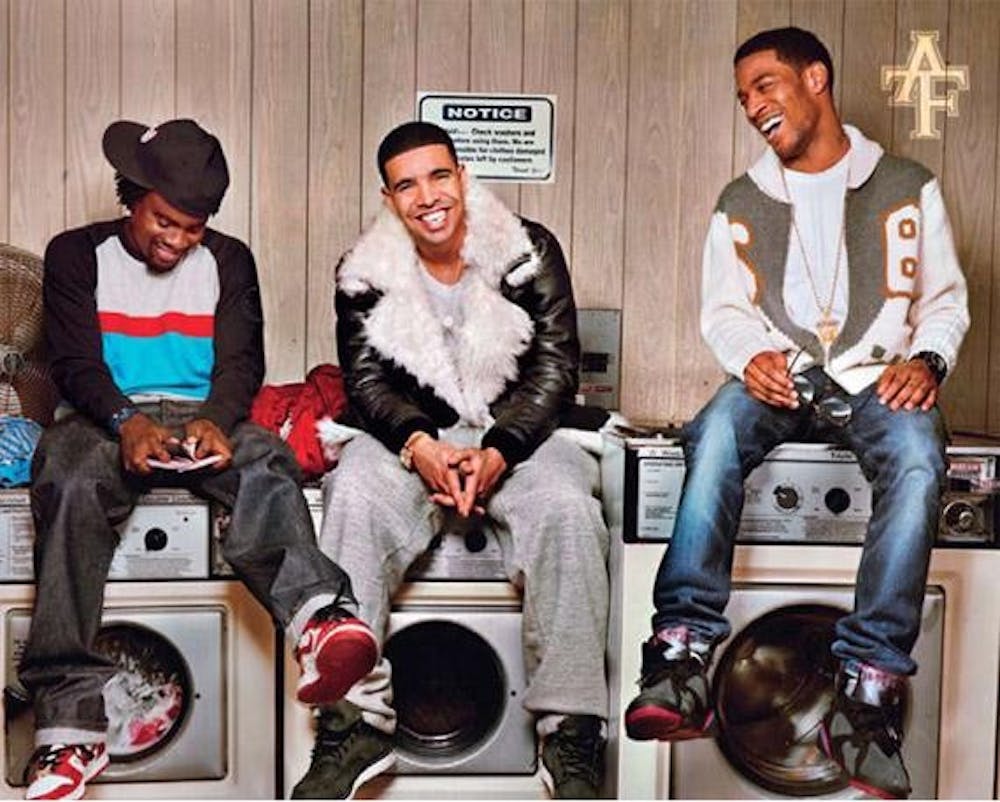
GQ ran a story in 2009 claiming that Drake, Kid Cudi and Wale had killed hip-hop’s “gangster culture” and that the three emcees were indeed the future of the industry.
True, gangster culture is all but dead. Jay-Z, Snoop Dogg, and Dr. Dre represent today’s link with 1990s rap culture, and between the three, street cred is at an all-time low, thanks to 40/40 Clubs, reality TV shows and Dr. Pepper commercials, respectively.
Members of the Wu-Tang Clan seem to be the only devout traditionalists left in the game, with artists like Ghostface Killah and Raekwon still making relatively hardcore hip-hop that has become supremely popular in the circles of hip-hop enthusiasts and indie rockers. Their material has remained largely unchanged, and the commercial spotlight continues to be a place of apathy.
Now, the question persists: Are these artists indeed the future? If this culture is mostly dead, it also marks a drying of the well, the place all early artists went for material and collaboration, friendly or otherwise.
The door is now open for players like Kid Cudi or Wiz Khalifa, known more for their loner stoner charm, female musings and the party life. What remains to be seen is the shelf life of their music. The (lyrical) conversation has obviously changed, now more personal than ever and less cultural. This kind of material has worked for decades in other genres, but it has never before been the focus of most hip-hop (with the obvious exception of Kanye West).
Thus, Drake’s debut represents a starting point — the first album of this “neo hip-hop” that had both high expectations and critical and commercial success. He’s opened the door that artists like Kanye first unveiled; now it’s up to Cudi, Wale and the like to walk through it and once again recreate the genre like in the mid-’90s.
If all goes well, both in the imminent and unforeseeable future, thanks will be coming Drake’s way for a long time.
Sounds Like...
Get stories like this in your inbox
Subscribe