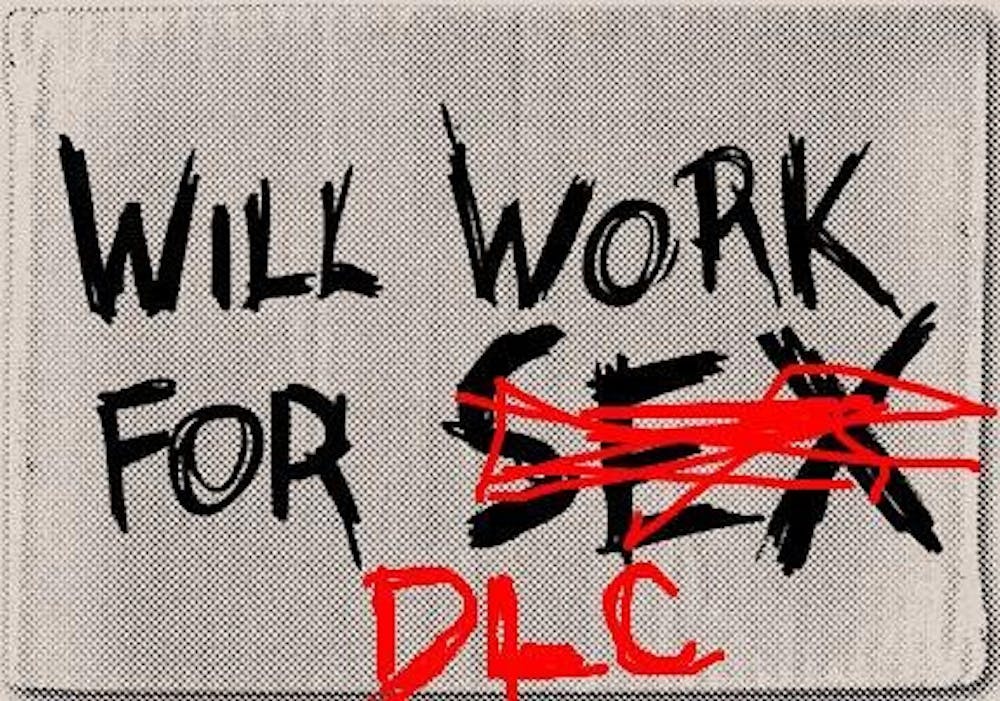
I wrote a few weeks ago about how developers exploiting Downloadable Content can potentially nickel and dime consumers to death. Companies such as Electronic Arts and Ubisoft have been releasing new assets for high-profile titles immediately after the game’s launch. It brings into question what is being intentionally left out of a game’s content to get a few extra dollars.
Determining what’s a sinister money grab and what’s merely late content is hard. It’s like eating at a shady restaurant; you can never really know if the waiter spit in your soup. A recent report in BusinessWeek marks one of the first times a publisher has stepped forward and said, “We intend to screw you over.”
Dubbed “Project Ten Dollar,” EA CEO John Riccitiello’s plan entails combating the company’s financial losses (the company’s stock has dipped from $60 to $20 since Riccitiello became chief executive) by directly attacking the used market.
Publishers make their money on new games sales, 60 shrink-wrapped dollars a piece. Not a single penny goes to them when consumers buy used games through retailers like GameStop. It’s always been a strange relationship — publishers make a tidy profit on new sales but are cut out of the resale market. Game stores survive on used game sales, making scraps off the margins of new items.
The proposed plan would separate large chunks of a game’s content into one-time use downloadable content (or DLC) codes included in the packaging. The secondary owners would be cut out of this substance unless they pay a $10 fee to EA. This has already happened. Copies of “Dragon Age: Origins” came with codes for armor and the party companion “Shale.” New “Mass Effect 2” copies gave access to the Cerberus Network for free.
John Schappert, former Microsoft VP of LIVE and now COO at EA, has also mentioned moving online multi-player to the downloadable realm. Where is the line? Will “Halo: Reach” have to charge an extra fee for multi-player before gamers decide things have gone too far?
There will be no definite restriction, no obvious line publishers will be afraid to cross as more and more of the game shifts into the zone of DLC. No other medium has punished consumers for wanting to actually own their content and survived. iTunes even eventually kicked the DRM that limited the use of purchased songs.
All this plan shows is these higher-ups do not understand how to effectively work in the industry. It will be very interesting to see how gamers — and the retail stores in danger — react to this blatant disrespect for consumers.
The Gaming Lobby
Not a fan of 'Project Ten Dollar'
Get stories like this in your inbox
Subscribe