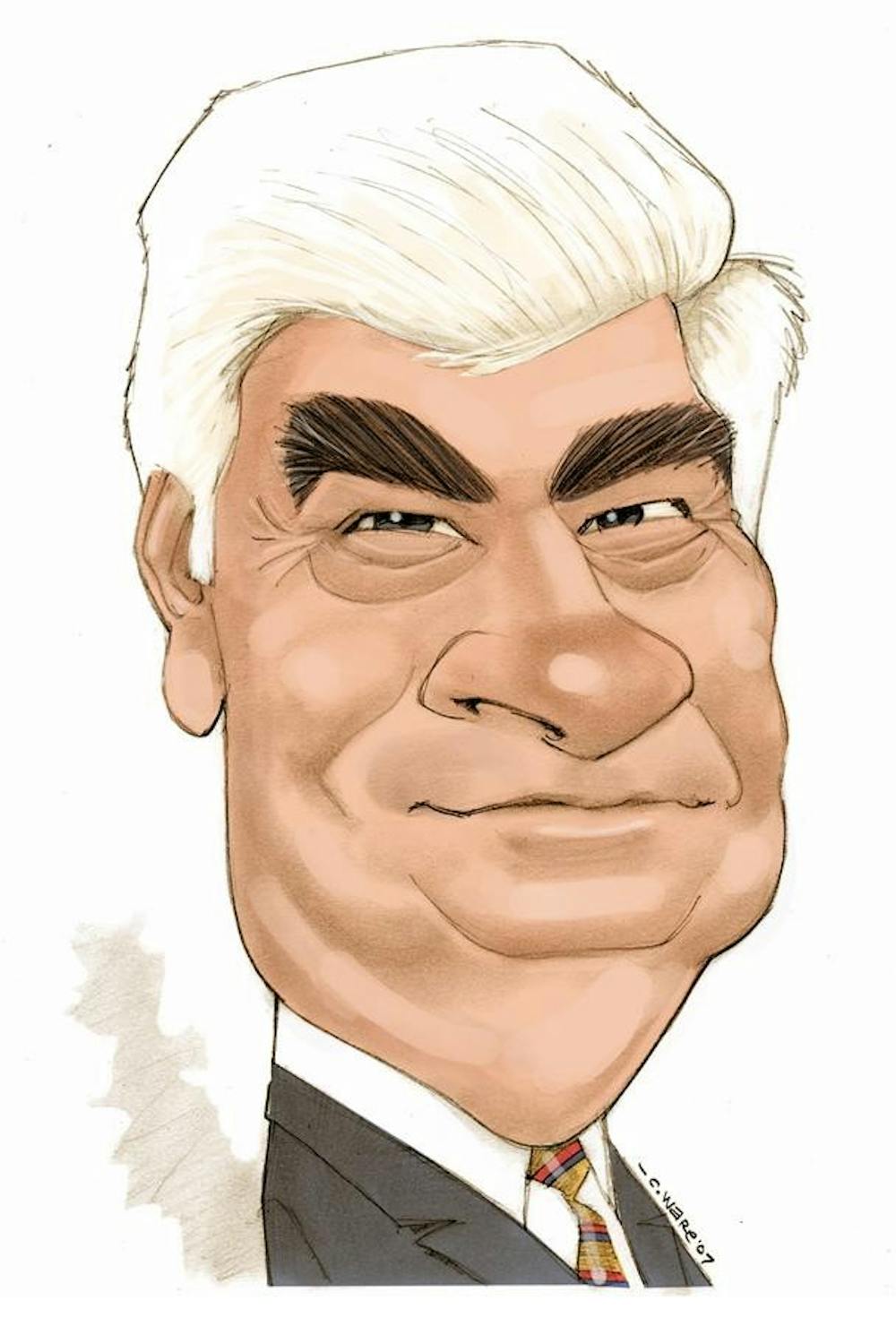
The recent retirement announcements from Sen. Chris Dodd, D-Conn., and Byron Dorgan, D-N.D. and Colorado Gov. Bill Ritter have touched off a flurry of speculations about the possible implications for Democrats’ (and Republicans’) electoral fates.
Democrats, so the conventional wisdom goes, will now have a much tougher battle in traditionally Republican North Dakota and will be hard-pressed to hold the governor’s seat in Colorado, where Democrats have only recently made inroads. In Connecticut, on the other hand, Dodd’s retirement could be a boon for the party, given that Dodd’s recent precipitous drop in popularity has been primarily because of his own problems (such as his sweetheart deal on a mortgage from Countryside), not those of the party as a whole.
However, given that Republicans are currently looking at defending more open seats (six) than Democrats (five) in the Senate, Republican gains are by no means a given. The fact that the Democrats’ dramatic drop in popularity has not been accompanied by a significant increase in that of Republicans further underscores this.
And while these forecasts might well turn out to be correct, the sad fact for all of the country’s political strategists is that, less than 10 months from this year’s midterm elections, we simply don’t know what to expect.
Perhaps the analysts peddling these conjectures should be applauded for at least giving it a try, but we’re more inclined to think they would do well to remind their audience of all the factors that make their current predictions about Nov. 2 unreliable.
Because we’ve seen little in the way of this from the major media outlets, allow us to offer a sampling:
Will Dodd and Dorgan’s retirements trigger an avalanche of further retirements from elderly and/or electorally imperiled Democrats, or will it impress upon each remaining incumbent Democrat how much their getting re-elected means for furthering President Obama’s agenda?
Speaking of President Obama, will his lack of appearance on the ballot this year dampen turnout among groups that favor him to the extent Republicans hope (as happened in Virginia’s gubernatorial election last fall), or will his shrewd decision to morph his campaign into a more permanent political force (Organizing for America) maintain this demographic’s electoral power?
And while we’re at it, how will the Tea Party movement affect electoral fortunes this fall? This movement could end up channeling its energy into electing Republicans (who they tend to view as the slightly lesser evil), promoting itself as a third party (and probably spoiling a number of Republicans’ races), persuading more Blue Dog Democrats to follow Alabama’s Parker Griffith’s lead and switch parties.
Lastly, will the widespread anti-incumbent sentiment currently simmering throughout the country lead to an unpredictable free-for-all or have no effect due to the Congress-is-corrupt-but-my-congressman’s-OK mindset?
If one thing is clear, it is this: the best answer to all of these questions is, “Your guess is as good as ours.”
Premature predictions
Get stories like this in your inbox
Subscribe