IU undergraduate education might be revamped if proposed changes are approved.
A report released on Oct. 1 by a task force detailed several recommendations for IU, ranging from better instructor reviews to more challenging degree requirements.
IU Provost and Executive Vice President Karen Hanson created the task force of students and faculty in December 2008 to analyze ways to improve undergraduate education.
Included on the committee’s recommendations list are improving developmental advising and teacher evaluations and keeping upperclassmen academically challenged.
The task force suggested that academic advisers help students beyond formulating a class schedule and provide more guidance on matters outside the classroom.
“Students have said repeatedly that they would like more mentoring and advising on co-curricular issues like internships and career planning,” Hanson said.
The reports recommend different ways to make and review end-of-semester instructor evaluations, such as possibly putting them online, Hanson said.
“Students can access those evaluations to guide their own choices,” Hanson said. “They can learn about the pedagogical style and how it fits with their learning style.”
Finding a way to keep students motivated and challenged is another one of the task force recommendations.
This initiative applies mainly to upperclassmen that sometimes complete all of their required courses during freshman and sophomore years and fill their remaining two years with a light schedule.
“The faculty part of it is making sure students stay engaged in co-curricular activities,” Hanson said.
“It’s not a matter of partying but of strengthening skills and talents, and, frankly, a resume.”
Hanson said she believes students can take away even more from their years at IU than they currently are by utilizing academic road maps.
Junior Matthew Burkhart agrees.
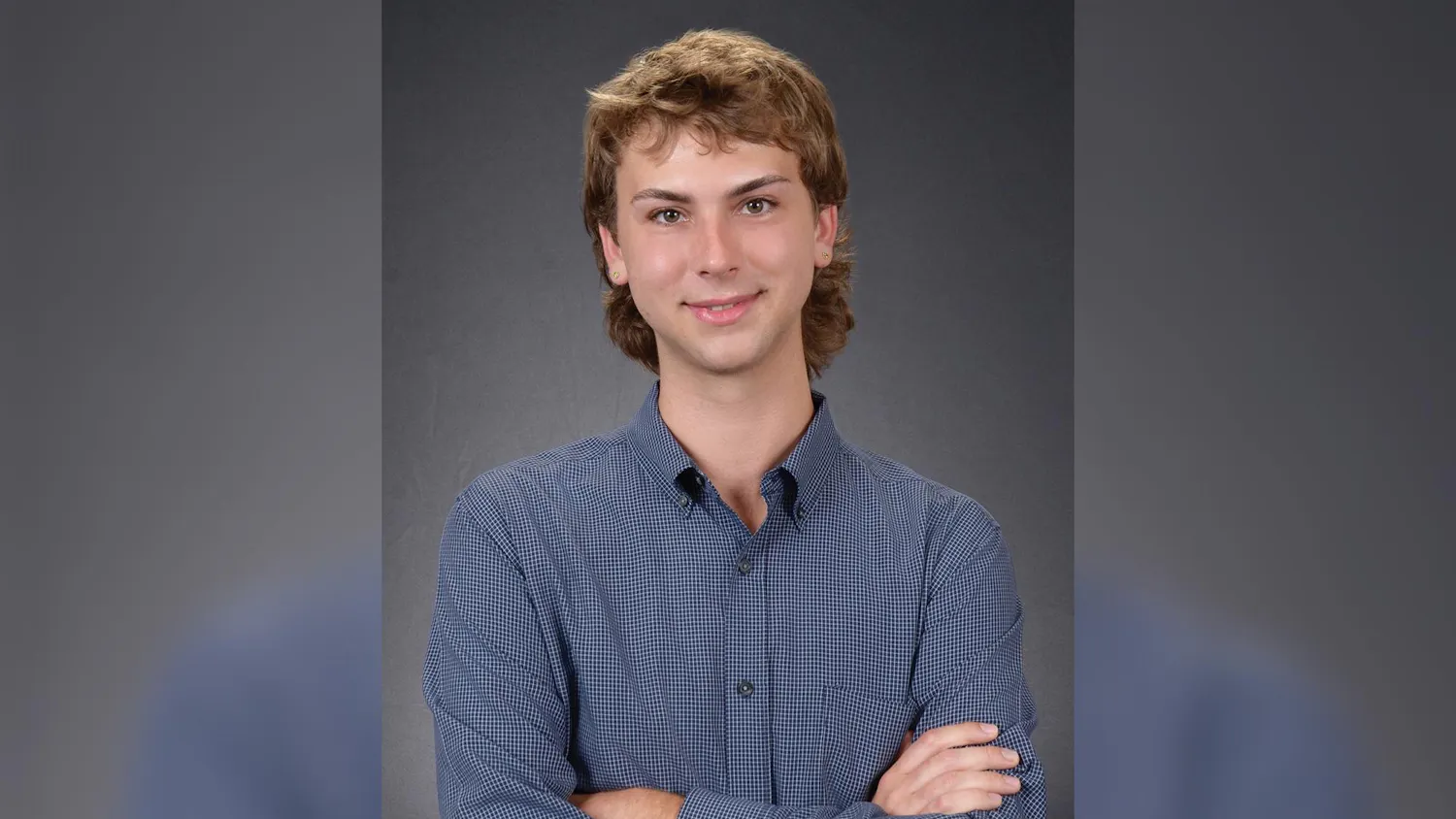
Burkhart, one of three students on the task force, finds it a necessary tool based on his own experiences.
“From a student’s perspective, it’s difficult to make a plan coming in as a freshman,” he said. “You have to get information from a lot of sources, and a road map would make it a lot easier.”
The undergraduate report states that these road maps should be “easy to find, easy to use,” described in the report as “an intellectual equivalent to the OneStart system with its single portal for campus services.”
Other notable recommendations made by the committee are improving the quality of large classes and restructuring majors to make them more demanding, lessening the need for students to pick up a second or even third major.
Recommendations regarding the strengthening of majors might be controversial, Hanson said.
Some schools might reject the idea of requiring more credit hours for a major, she said.
The task force began its work on improving undergraduate education in early 2009.
It met once a week to study student voice reports that were published last year, discuss educational improvements and write the actual report, Burkhart said.
The committee’s recommendations don’t require an official pass/fail stamp by any governing body of the University.
It does, however, need the support of faculty in order to implement the changes within classrooms.
“It just requires our interest and energy,” Hanson said. “Things we can encourage and approach from the student voice reports all converge on connecting undergraduate with the ideas we have.”
Task force releases undergrad education recommendations
Get stories like this in your inbox
Subscribe