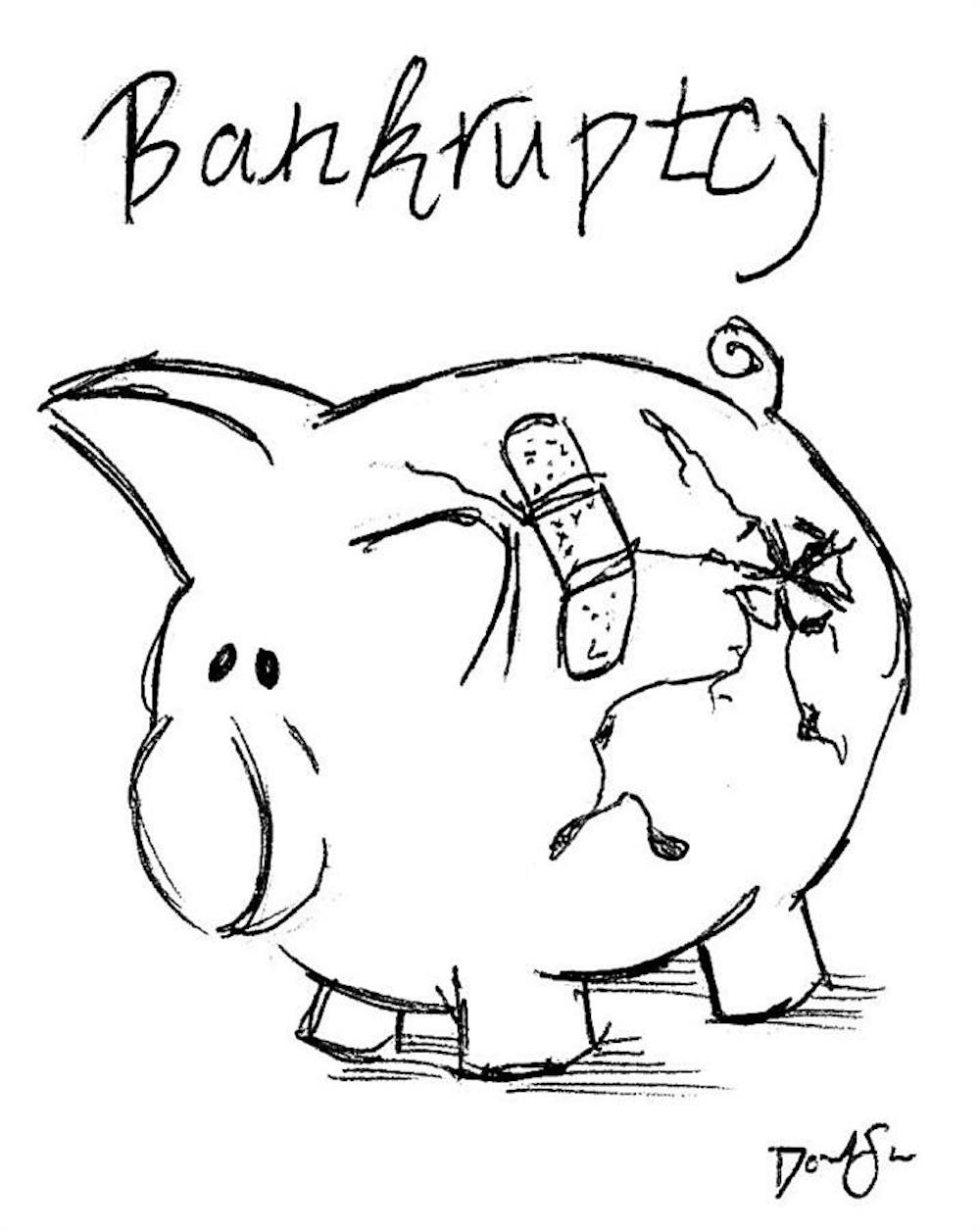
In May, Indiana State Treasurer Richard Mourdock brought legal action after details for the Chrysler bankruptcy proceedings were released.
Traditionally, unions suffer when a company goes into bankruptcy because their pay, benefits and pensions undergo significant cuts. The reason is that secured creditors such as bondholders, by law, get first priority for the division of company assets.
After they are paid off, the next in line should be unsecured creditors, such as employees and unions.
However, according to Mourdock, the proposed plan did not put secured creditors first in line for recovery for the very first time in U.S. history.
The plan gave a select group of secured creditors 29 cents a dollar for their investment, while unsecured creditors received 59 cents a dollar. This had the result of pitting investors against the United Automobile Workers union because the largest secured creditors, representing $6.6 billion, calculated Chrysler’s value to be at least 90 cents a dollar. Because of the design of the Chrysler bankruptcy plan, the Indiana State Police Pension Trust, the Indiana State Teachers’ Retirement Fund and the Major Moves Construction Fund are losing an estimat- ed $6 million in value when they should have been protected under the terms of their purchase agreement.
After a quick series of appeals, the U.S. Supreme Court decided not to hear the case in June, largely due to the enormous effects it would have on the bankruptcy outcome that was only days away from completion.
It should be recognized that, at the time, a ruling to reverse the bankruptcy plan would have had potentially devastating effects on Chrysler’s employees and the economy as a whole.
Nevertheless, panic and fear should never result in a complete dismissal of the laws and case precedent that have served the United States well for more than 200 years.
In this case, it was not rich and powerful hedge funds that got hurt; it was the pensions and trust funds of regular people like teachers and policemen that entered into the invest- ment thinking they were safe.
The unprecedented nature of the Chrysler bankruptcy meant that the risk investors originally agreed to turned out to be a far cry from the real risk they eventually faced. And ultimately, the Indiana taxpayer is going to be the one that has to make up for these losses.
Moreover, the overall danger is not isolated to this case. The rip- ples of the Chrysler bankruptcy case could have effects on future bankruptcy proceedings and lending practices. Bondholders want a secure bond.
If priorities don’t mean anything, it could have devastating effects on how the public lends money going forward.
While panic and fear ran wild over the last year, the Supreme Court has a chance to restore some of the confidence that has been lost during this crisis.
We hope they will at least hear the case out.
A return to legal precedent
Get stories like this in your inbox
Subscribe