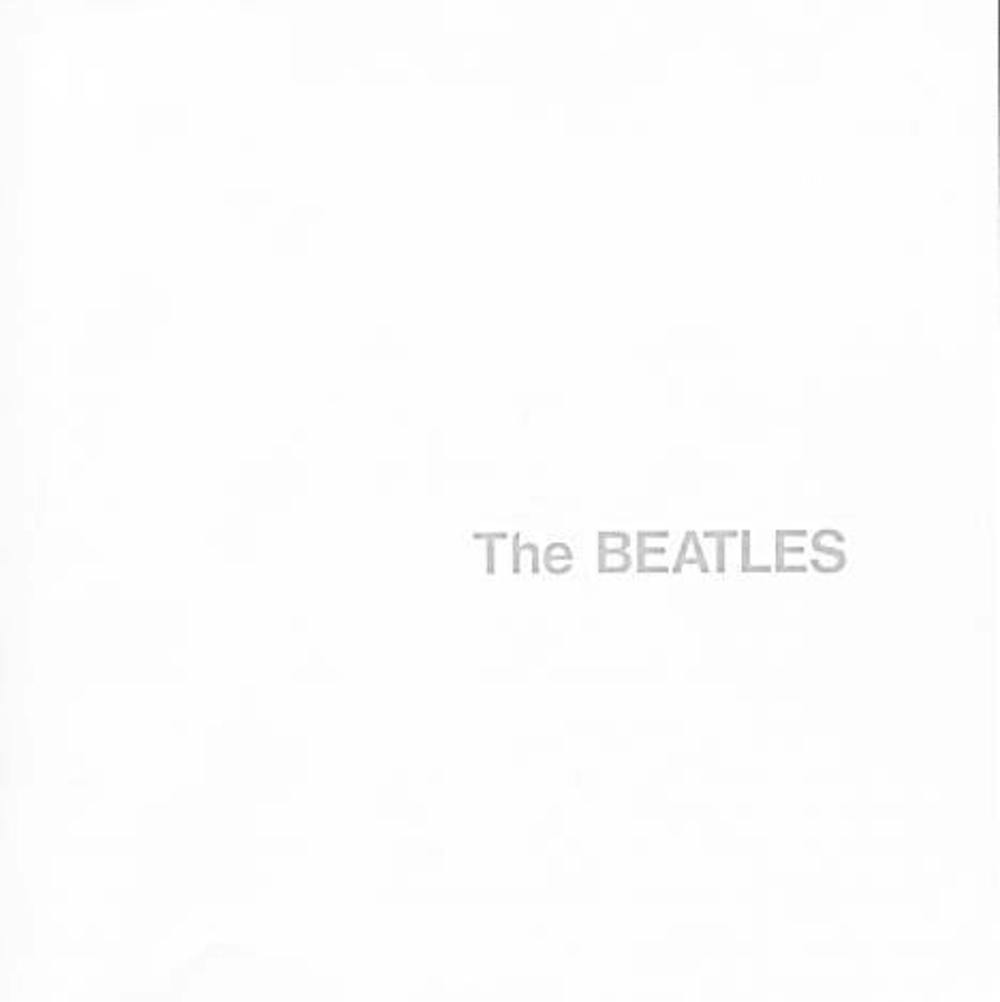
The Beatles’ self-titled 1968 release, known as “The White Album,” is considered one of the 10 greatest albums of all time by Rolling Stone and Time magazines.
Recorded after a trip to India and during a time of increasing division between members, “The White Album” was the band’s first album to showcase the individual songwriting talents of each member, including Ringo’s “Don’t Pass Me By.”
While George Harrison had previously penned songs scattered throughout earlier albums, his beautifully crafted “While My Guitar Gently Weeps” is arguably the album’s most memorable song. Notably, Harrison recruited Eric Clapton to play the melancholy blues riffs and guitar solos.
Then there are the Lennon/McCartney classics; though their songs are credited to both artists, each song was written primarily by one or the other. “Back in the U.S.S.R.” is Paul’s attempt at mimicking the Beach Boys, while “I Will” and “Blackbird” show off his softer side.
“Birthday” is a return to the band’s rock ‘n’ roll roots, and McCartney’s timeless “Ob-La-Di, Ob-La-Da” is the pop centerpiece of the album. John’s “Revolution 1,” complete with over-distorted guitar tones, was his attempt to shred pre-metal. In “Glass Onion,”
Lennon satirizes and mocks over-obsessed fans, while “Everybody’s Got Something to Hide Except Me and My Monkey” expresses his love for Yoko Ono.
The most experimental song on the album is “Happiness is a Warm Gun,” which is essentially three songs in one and articulates Lennon’s disgust over gun obsession.
During sessions for “The White Album,” the band members’ significant others
contributed for the first time. Yoko Ono and Linda McCartney sang back-up vocals on “Birthday,” and Pattie Harrison and Maureen Starkey sang on “Continuing Story of Bungalow Bill.”
“The White Album” must be considered one the band’s finest records. It is a testament to the ingenious unaccompanied songwriting of each member of the legendary quartet.
Don't Pass It By
Get stories like this in your inbox
Subscribe