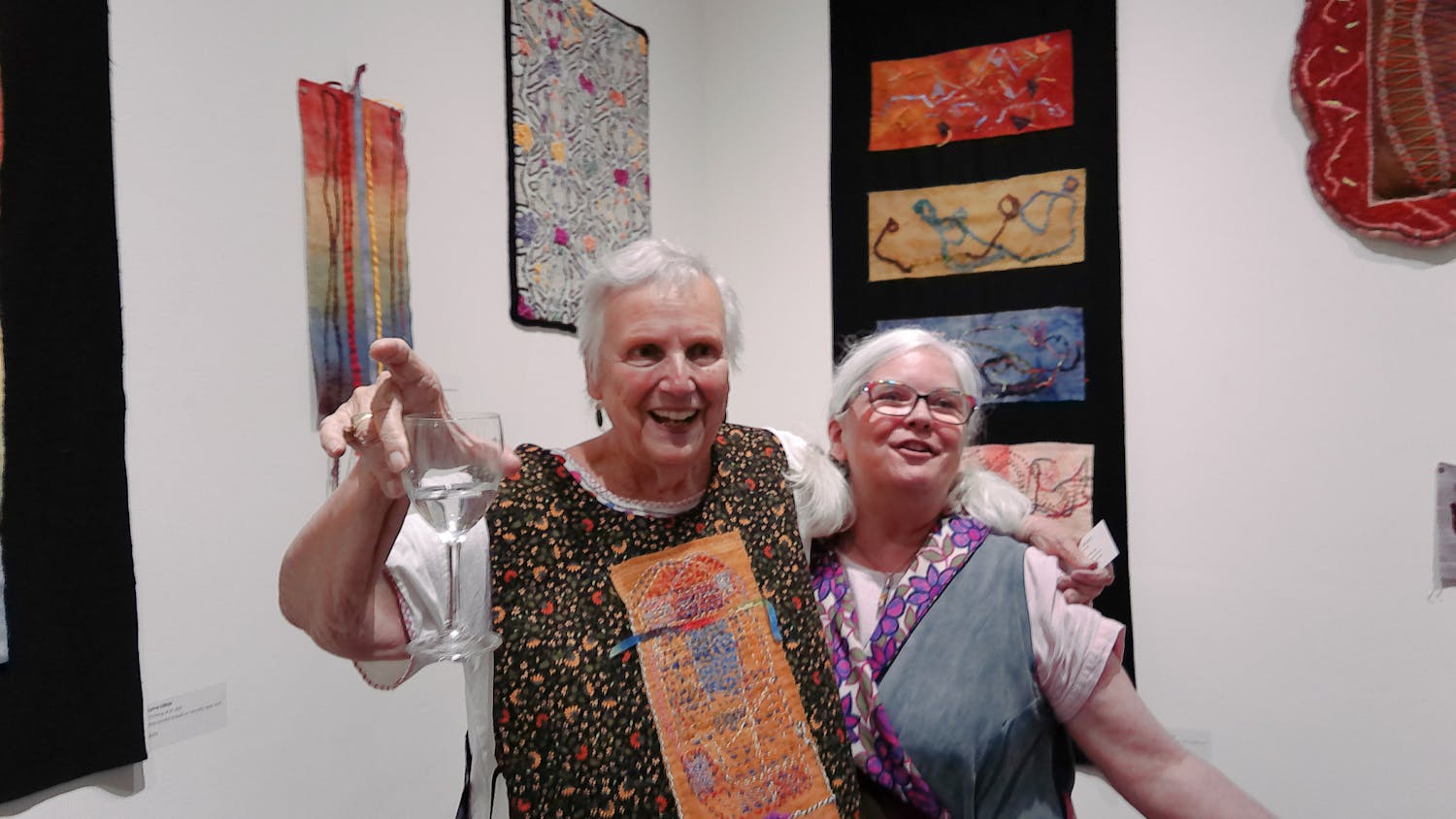
Throughout history, innovative hairstyles have been an entity of popular culture and even strived to define generations.
Iconic, innovative and weird hair has graced our televisions, neighborhoods and some of our own heads. And though hair has always been a cultural touchstone, the last 50 years have seen some of the most eye-popping, and yet most iconic, styles since Marie-Antoinette donned her towering tresses.
1960s No self-respecting housewife of the 1960s was caught dead without her beehive intact. A towering mass of hair cemented with hair spray was the
quintessential look of the decade. It cannot be a good sign when a hairstyle shares a nickname, the “B-52,” with a Stratofortress bomber. The beehive became the signature look of the stay-at-home mom of the ’60s and quickly rose to new heights when it landed itself on the list of hair-don’ts.
1960s-1970s Also appearing in the 1960s, in the African-American community, was the afro. Usually classified as tightly coiled curls extending around the head like a halo, this look goes as far back as the ancient Egyptians.
Rafi Hasan, a first-year graduate student in the Department of African American and African Diaspora Studies, said black hairstyles can be interpreted as methods of self-expression.
“Wearing the hair natural represented that you stood outside the system, i.e, the ‘hippie black’ has varying interpretation beyond racial category.”
Rafi also mentioned that outside forces, in addition to the wearer’s personality, impacted these hairstyles.
“I think you could say what ties a hairstyle to a culture is what is most prevalent in terms of influence – generation, environment, region, occupation and so forth.”
He also said that we as a society should think outside the box and be more understanding with our views on how others define themselves.
“Fade, high-top fade, weave, perm, philly fro, bald – I embrace it all.”
1970s Dreadlocks are another iconic hairstyle, but in contrast to most other hairstyles in popular culture, they have a spiritual background. Most commonly associated with Jamaica, this style is famously worn by Rastafarians to express inner spirituality. When reggae music gained popularity in America during the ’70s, the look came with it. The worldwide fame of singer Bob Marley also added to the appeal of dreadlocks, among people who idolized his music and philosophy.
“I have locks – many people think I am a Rastafari or from the islands,” Hasan said, noting that dreadlocks have now moved away from Rastafarianism. “It amazes me that in this day and time of the ‘information age’ we continue to relegate ourselves further into ignorance instead of acting on curiosity ... and asking questions.”
1970s-1980s The always trashy mullet appeared in the 1970s and rocketed its way to hair-horror stardom in the mid ’80s. The “business in the front, party in the back” style is just tacky all over. Common among bikers and rock stars alike, the mullet has been seen on everyone from Mario Lopez to Scarlett Johansson. Even Billy Ray Cyrus could not make this fretfully tragic style work.
1980s Following on the heels of the deliciously tasteless mullet is its equally icky brother, the rattail. Classified as a long, thin strand of hair worn at the center of the back of the head, it is often braided for an extra touch of class. For better or for worse, the rattail has strategically tied itself to the look of hillbillies everywhere.
Lauren Miller, a graduate student in the department of anthropology, was enthusiastic to offer her take on hair’s cultural influence.
“I would be hesitant to say it can define a generation. I think it is representative of certain moments in our cultural history.”
Julianne Laurent, a trained hairdresser who studied at the Masters of Cosmetology College in Fort Wayne, has been working professionally for the past three years. She claims that her favorite bad hairstyle is the mullet.
“I feel like everyone clearly knows it is horrible, yet we still see people sporting it all the time. I just wonder how they communicate with the public world and how you could miss something like that.”
She said celebrities become famous for their (sometimes crazy) hair, and then other people immediately are attracted to it and try to replicate it, making it the staple of a certain historical period. Some of her favorite iconic hairstyles are those of celebrities such as Audrey Hepburn, The Beatles, Farrah Fawcett, Donald Trump and David and Victoria Beckham.
When asked whether or not she believes hair can define a generation, Laurent answered that hair can define certain decades, but it changes throughout the generations.
“Obviously the ’70s were about long, straight hair, the ’80s were big hair, and ’90s started the fascination with Jennifer Aniston and the ‘Rachel haircut’ from Friends.”
Rebecca Riall, a graduate student studying anthropology, had much to say about hair and its cultural significance.
“Differences in hairstyle have always been used as markers of ethnic or social difference. Humans tend to find the hairstyles of groups other than their own bizarre. We use hair as a symbol, and we write off others’ hair as trashy, different, unhygienic and ugly while they may be doing exactly the same thing to us and for no better reason than that it’s different from their own.”
Laurent also noted that “there is cultural infatuation with trashy hairstyles because there is a cultural infatuation with trashy everything! We are fascinated by the most provocative, disturbing things, and it’s just another way of gaining attention wherever people will give it.”
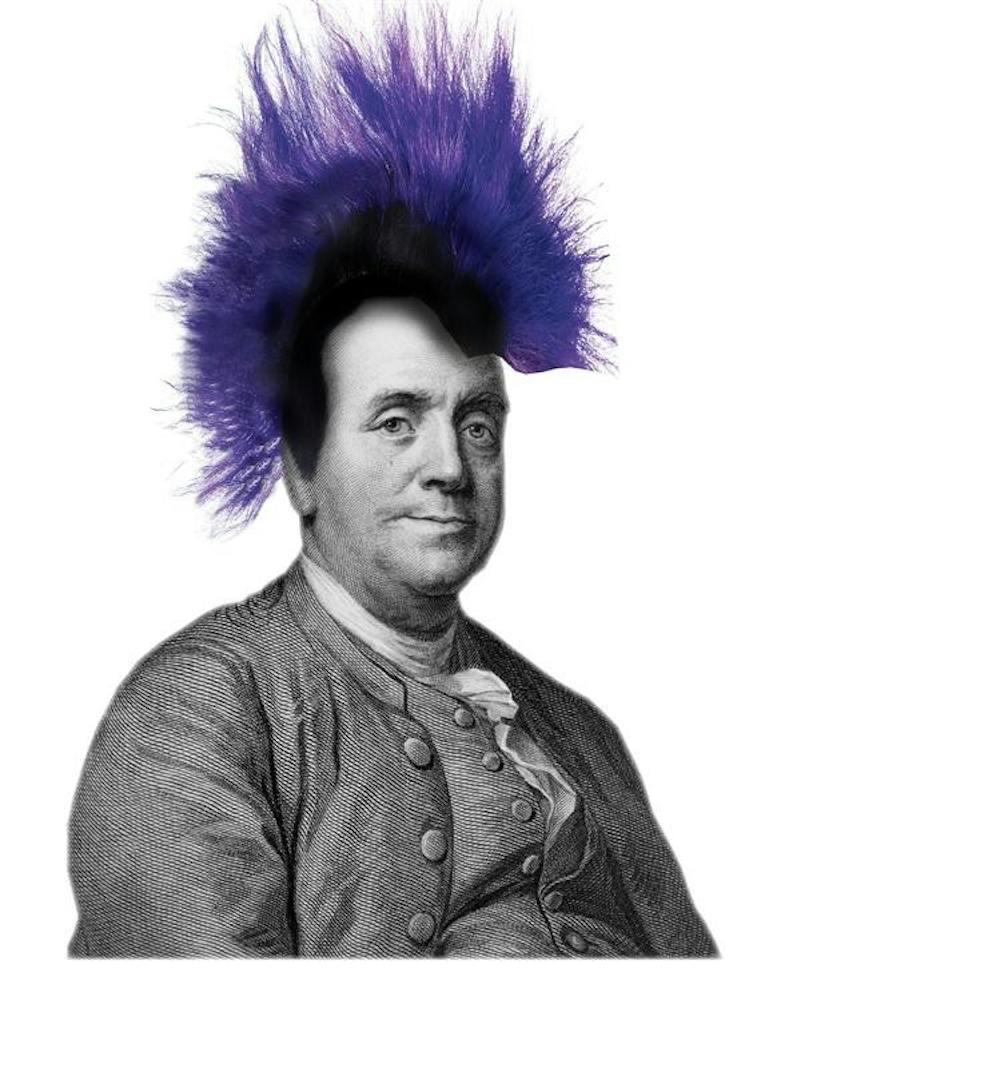
Decades of STRANGE ’dos
Get stories like this in your inbox
Subscribe