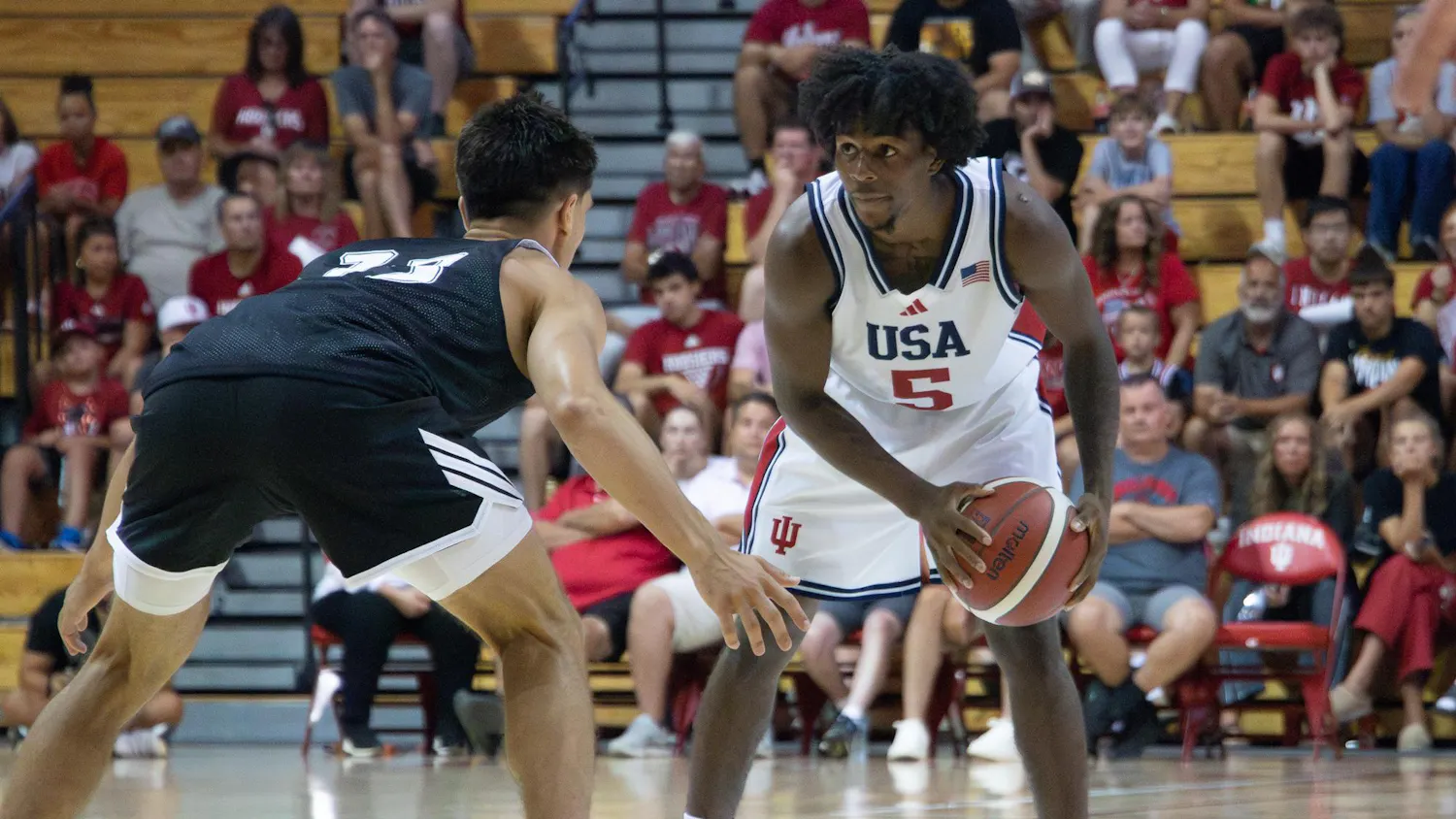
With the Feb. 22 deadline to file a declaration of candidacy quickly approaching, the battle for the Republican Secretary of State nomination is beginning to take shape. Five candidates have entered the race as of Tuesday. The crowded field will make for a competitive struggle for the Republican nod in the upcoming months. \nIn Indiana, the nomination process for Secretary of State is similar to that of the U.S. Presidency. The candidate for each party is chosen by delegates at the June 13 Republican State Convention, instead of by popular vote. \nConvention delegates are appointed by county. The number of delegates is based on election returns from the last Secretary of State race, with one delegate awarded for every 400 votes cast for the Republican candidate. A prospective delegate must file intention with their county clerk or local election board and if there are more aspirants than openings, delegates are determined by vote during the May 7 primary.\nThis year 2,076 delegates will be divided throughout Indiana. The statewide dynamic of their electorate keeps the candidates moving. \n"My strategy, not knowing who the delegates are going to be, is to canvass all the counties," said Todd Rokita, Republican hopeful and current Deputy Secretary of State. "I have already been to some of the counties three or four times." \nAnother Republican candidate, former IU basketball player Kent Benson, said he "has been criss-crossing the state, meeting with delegates, party leaders and ordinary people." \nCandidates have a map to guide them on their campaign travels. The convention format points candidates toward a likely group of people from which they will need support. \n"Fifty to 70 percent of the delegates are previous attendees," said Mike Delph, another Secretary of State contender and a congressional aide to Dan Burton. "You have to work on the assumption that many of the same people are going to attend." \nRokita also understands the importance of reaching delegates. He has made an effort to "talk with party officials and past delegates," and he encourages "strong supporters of his campaign and the Republican party to become delegates." \nCandidate John McGoff said he believes the campaign is more personal than a typical election. \n"Direct mailing and personal contact are more important than paid media spots as opposed to the (general) election in the fall," McGoff said. \nMcGoff, who previously went through the convention process when he ran for his current position of Marion County Coroner in 2000, understands how the convention format can alter the strategy of a candidate. \n"You need 50 percent plus one to win the nomination, and with five candidates, it is likely that there will be multiple ballots," McGoff said. "You have to be sure to try to engender the support of the other candidates." \nThe primary process is demanding of the candidates. Democratic candidate John Fernandez, mayor of Bloomington, and Libertarian Paul Hager do not have to contend with other candidates until the general election. They are both running unopposed at this time.\nIU Political Science Professor Timothy A. Tilton said he believes some benefits accompany the inherent negatives of running in a primary campaign. \n"By running unopposed, a candidate can save his or her money for the fall general election," Tilton said. "Furthermore, the candidate won\'t get beaten up by opponents' charges; criticisms from within one's own party can be especially damaging…On the positive side, a tough primary offers a candidate and the organization a good tune-up for the fall"
Republican race for Secretary of State gains speed
Get stories like this in your inbox
Subscribe