
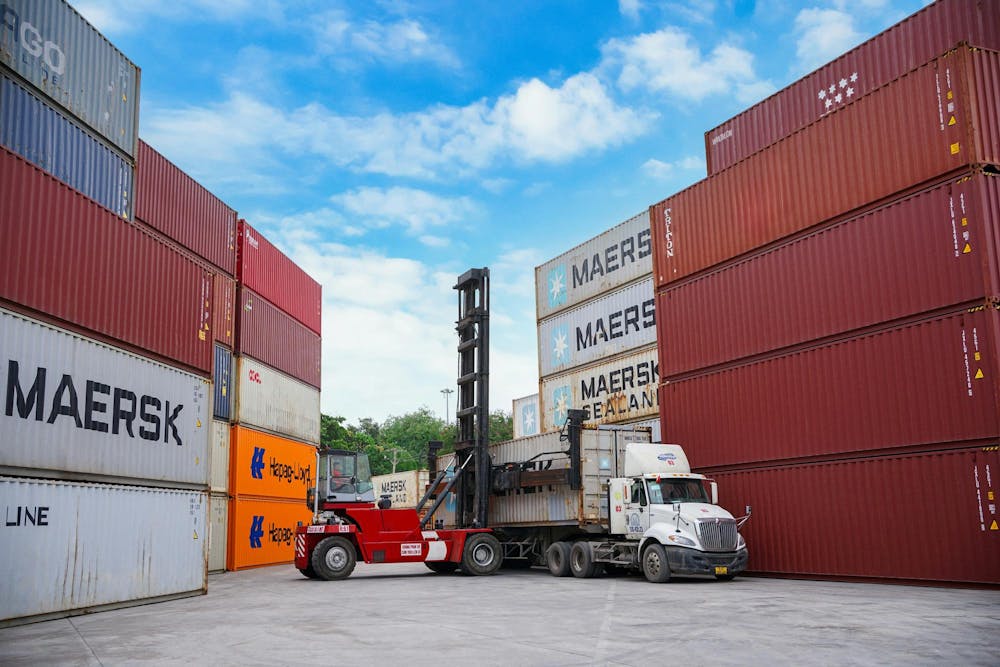
Maintaining a consistent temperature for perishable goods during long-distance road transport is a complex engineering challenge. Refrigerated shipping containers, commonly known as reefers, require a continuous supply of high-voltage electricity to operate their cooling compressors. While these units plug into the electrical grid at port terminals or on container ships, they lack an internal power source for highway travel.
Trucking companies bridge this power gap through the use of specialized mobile generators. Integrating a generator directly onto the hauling equipment creates a genset chassis that provides the necessary energy for the reefer unit. This configuration allows a standard semi-truck to move temperature-sensitive cargo across thousands of miles without risking spoilage.
Technical Function of Generator Sets
A generator set, or genset, is a self-contained industrial engine coupled with an alternator to produce electrical power. These units typically run on diesel fuel and are designed to operate for dozens of hours without intervention. The power output must remain stable to avoid damaging the sensitive electronic controllers of the refrigeration unit.
Gensets are mounted in specific locations to ensure weight distribution and ease of access. Most cold chain operators choose between a few primary mounting styles based on their fleet requirements:
- Side-mount gensets that attach to the longitudinal beams of the chassis frame.
- Undermount gensets that sit centrally between the axles for better balance.
- Clip-on gensets that attach directly to the front face of the refrigerated container.
Chassis Integration and Structural Design
The chassis serves as the structural foundation for both the heavy container and the heavy generator unit. It must be engineered to withstand the static weight of a loaded forty-foot reefer plus the dynamic forces of highway speeds. Manufacturers use high-tensile steel to prevent the frame from flexing under these combined loads.
Fuel System Requirements
Operating a generator for several days requires a dedicated fuel supply that is separate from the truck engine. Most chassis-mounted gensets feature a custom aluminum or steel fuel tank integrated into the frame. These tanks must be large enough to sustain the cooling unit throughout the entire duration of a cross-country haul.
Electrical Connectivity
The connection between the generator and the container occurs via a heavy-duty, weather-resistant power cable. This cable uses a standardized four-prong plug that prevents accidental disconnection during transit. Safety switches are built into the system to shut down power immediately if a short circuit or ground fault is detected.
The electrical system must provide specific outputs to ensure the refrigeration unit functions correctly:
- Three-phase power at 460 volts for industrial-grade compressors
- Stable frequency control at 60 hertz to prevent motor overheating
- Automatic voltage regulation to handle surges during compressor startup
- Integrated circuit breakers for protection against electrical overloads.
Advantages for Cold Chain Operations
Using a dedicated power-equipped chassis offers significant operational advantages over traditional refrigerated trailers. Intermodal reefers can be moved seamlessly from a ship to a truck without unloading the cargo. This reduces the number of "touch points" where the temperature could potentially rise above the safety threshold.
Extended Transit Times
Trucks equipped with these generators can stop at rest areas or wait at border crossings without compromising the cargo. As long as the diesel engine in the genset is running, the internal temperature of the container remains locked. This capability is essential for transporting high-value pharmaceuticals or frozen seafood over long distances.
Versatility in Fleet Management
Logistics providers can use these specialized trailers to haul any standard container when the generator is not in use. This prevents the need for a separate fleet of dedicated refrigerated trailers that might sit idle during off-peak seasons. The ability to swap containers while keeping the power source on the trailer increases the utility of the equipment.
Fleets that invest in high-quality power-integrated trailers see improvements in several key performance metrics:
- Reduction in cargo insurance claims due to temperature excursions.
- Increased compliance with international food safety regulations.
- Faster turnaround times at port terminals during peak hours.
- Enhanced ability to service remote areas lacking electrical infrastructure.
Maintenance and Reliability Standards
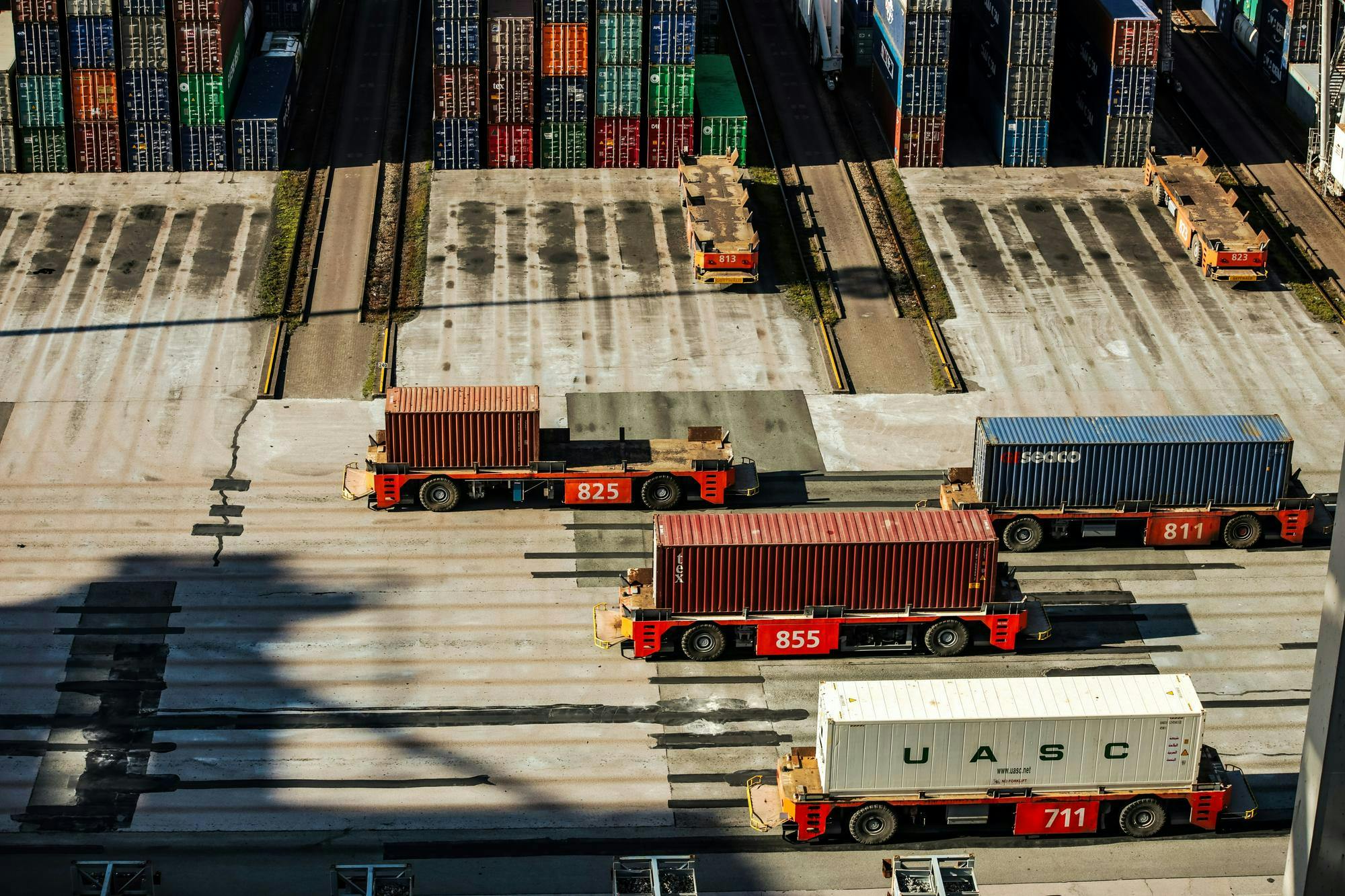
Reliability is the most critical factor in cold chain transport because a mechanical failure leads to immediate financial loss. Fleet managers must adhere to strict maintenance schedules for the diesel engines powering the generators. This includes regular oil changes, fuel filter replacements, and load testing of the alternators.
Cooling System Inspections
The generator engine produces significant heat while running under the heavy load of a reefer compressor. Radiators and cooling fans must remain clear of road debris to prevent the engine from shutting down due to overheating. Technicians check coolant levels and belt tension before every long-distance dispatch to ensure continuous operation.
Monitoring Technology
Modern units are often equipped with telematics systems that transmit real-time data to the dispatch office. These sensors monitor fuel levels, engine temperature, and the actual temperature inside the container. If a fault occurs, the system sends an automated alert, allowing the driver to seek repairs before the cargo is damaged.
Emissions Compliance
Diesel generators used in transport must meet strict environmental standards set by agencies like the EPA or local authorities. Many newer units feature advanced exhaust after-treatment systems to reduce nitrogen oxide and particulate emissions. Compliance with these rules is necessary for trucks entering major metropolitan areas or sensitive port zones.
Safeguarding Global Food Supplies
The synergy between the heavy-duty trailer and the portable power unit creates a mobile environment that mirrors a stationary cold storage warehouse. This technology enables the global trade of seasonal produce and temperature-sensitive chemicals that would otherwise be impossible to move. Specialized equipment remains the backbone of a resilient and safe food supply chain.
Investing in robust power solutions protects the integrity of the product from the factory to the consumer. As global demand for fresh products increases, the role of specialized transport equipment becomes even more vital. Maintaining high standards for this equipment ensures that the cold chain remains unbroken regardless of the distance traveled.


