
If you’re an IU alumnus, Jan. 19 probably felt like a fever dream. A national championship. A perfect football season. Decades of “maybe next year” finally giving way to confetti and celebration.
I saw pictures online of watch parties from South Bend to Seoul. Alumni who hadn’t set foot in Bloomington for decades gathered to cheer for a university that still means something to them. That connection is real.
And now is a good moment to revisit a cause to revitalize this connection: the 130-plus-year tradition of alumni-elected trustees that ended last spring, and the bipartisan effort now underway to restore it.
For over a century, IU alumni directly elected trustees to the university's board. This practice wasn't ceremonial. It was a safeguard against partisanship, ensuring that at least some of the people governing our university answered not to political cycles, but to the broader IU community.
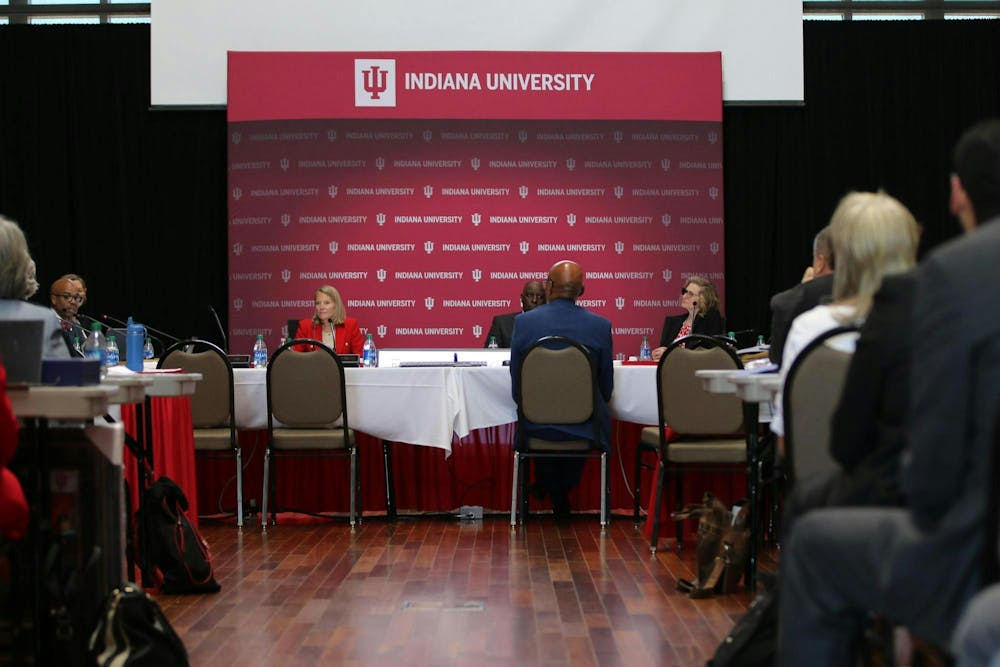
Last spring, that tradition came to an abrupt end when language buried nearly 200 pages into the state budget bill granted the governor complete authority to appoint all nine trustees. There was no public hearing, no debate, no opportunity for alumni to weigh in on a fundamental change to how their university is governed. The provision appeared in the draft of the bill only two days before the vote.
I know this issue intimately because I was in the middle of it. In spring 2025, I was actively campaigning for one of the alumni-elected trustee seats. I'd spent months talking to alumni, developing a platform, preparing for an election that had been held without interruption since the 1890s. Then, one day before the budget vote, word spread that a provision buried in the bill would eliminate the election entirely. No one seemed to have seen it coming — not the other candidates, not alumni leaders, not even some legislators. It's a strange feeling, watching something you've worked toward simply disappear.
There was no hearing. No opportunity to testify. No debate. A tradition dating back more than a century ended as a budget footnote.
I'm now the lead plaintiff in an American Civil Liberties Union-supported constitutional challenge to that law. But this column isn't about the lawsuit, and it isn't really about me. It's about a principle that Herman B Wells articulated decades ago in his autobiography Being Lucky: Reminiscences and Reflections: "A state university in particular cannot expect to command the support of the public if it is the captive of any group."
Wells understood something essential: Universities, even if public, are not state agencies. They are complex institutions designed to outlast any single administration, ideology or political moment. IU’s governing structures should reflect that permanence. When alumni elect trustees, those trustees carry an obligation to the institution's long-term health, not to the political winds of the moment. That independence is the foundation of, not a threat to, accountability.
Here's the good news: this story isn't over.
State senators Susan Glick of District 13 and Greg Walker of District 41 — both IU graduates — have introduced Senate Bill 110 to restore alumni elections. The provision would reinstate the board’s traditional structure: six trustees appointed by the governor (including one student trustee) and three elected by alumni. Twenty-four past chairs of the IU Alumni Association have signed a letter urging SB 110’s passage.
The election of trustees isn't a partisan issue. Democrats opposed its elimination. Republicans authored the restoration bill. What unites these proponents is a shared belief that concentrating all appointment authority in a single office, regardless of who holds it, weakens university independence. Good governance requires diverse perspectives and distributed accountability.
SB 110 did not receive a committee hearing before last week's deadline, but the bill isn’t dead. Its language can still be introduced as an amendment to other education legislation during this legislative session. The window is narrow, but it’s open.
If you care about IU's future, here's what you can do: contact your state senator. Ask them to support adding SB 110's language to education legislation. You don't need to be an alumnus to make your voice heard. Students, faculty and staff all have a stake in how this university is governed. The decisions made by the Board of Trustees affect tuition, academic programs, research priorities and campus life. Everyone in the IU community deserves trustees who answer to more than one person.
I've spent 12 years in Bloomington. I came here as a graduate student in physics, served in student government, watched this university navigate challenges and celebrate triumphs. What I've learned is that IU is at its best when it listens to its community, when it balances tradition with progress and when it refuses to surrender its independence to any single interest.
This year, IU showed the world what it's capable of. Let's bring that same determination to the fight for the traditions that make this place worth celebrating. The alumni who fund this university, who send their children here, who carry IU's name into the world, deserve a seat at the table.
Light and truth. That's what IU stands for. Let's make sure our governance reflects it.
Justin Vasel received his Ph.D. in physics from Indiana University Bloomington in 2021. He was a candidate for alumni-elected trustee and is the lead plaintiff in an ACLU-supported constitutional challenge to the elimination of alumni trustee elections.



