
A few weeks ago, a creator went viral for the worst reasons.
At a glance, the video depicted a creator searching for toys at Target while shopping for the Angel Tree, a program that provides gifts for youths and seniors during the holidays. With the holidays approaching, I was not surprised to see an influencer taking advantage of an opportunity to earn praise from fans by donating to charity.
However, social media users criticized her comments about the "hefty list" of toys requested by a child. In the video, she also stated her intent to stay close to the $30 minimum spending amount required at her local charity.
While the account can no longer be found on TikTok, others have reuploaded her original video, and reactions to it have gone viral. Several creators have spoken about Angel Trees and made their own shopping content or commentary about the trend.
Outside of TikTok and Instagram, magazines like Salon and media platforms like Her Campus have chimed in with insight about the nature of performative kindness and the circumstances surrounding the internet’s annoyance with the aforementioned creator.
Yet, the Angel Tree program has been successful for years, and it has only recently seen a spark in attention on social media.
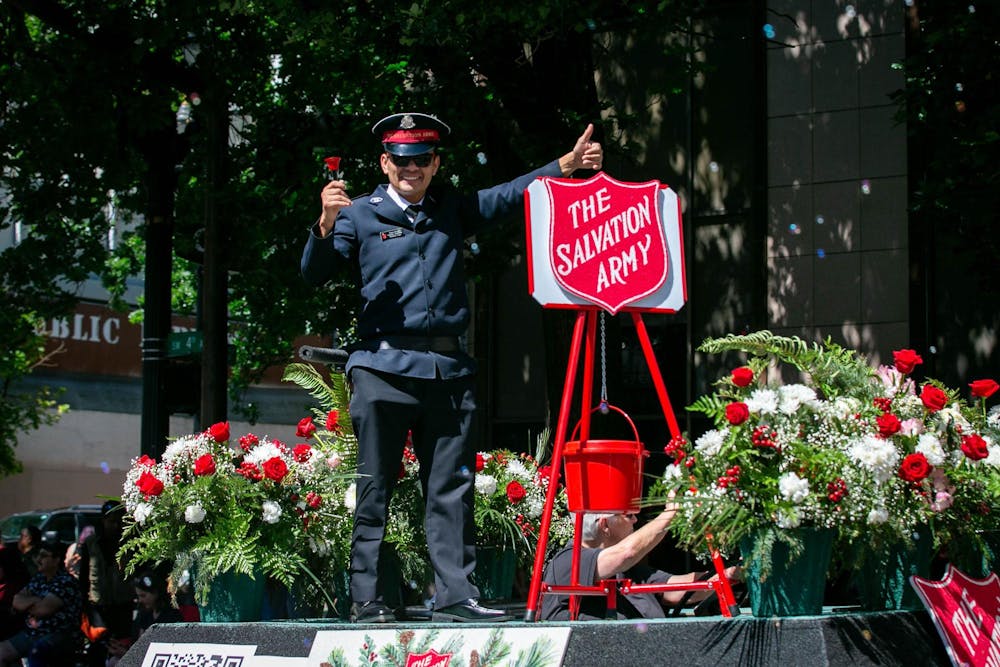
Run by the Salvation Army, the Angel Tree program has existed for years. According to the Salvation Army’s War Cry magazine, it began in 1979 when two Salvation Army officers in Lynchburg, Virginia, received permission to use a shopping mall’s Christmas tree to “help in some way.” Since then, the wish lists of children and seniors have hung from holiday evergreens and popped up in Walmarts, businesses and malls each year, with the goal of helping families in need during the holidays.
In 2024, 213,056 angels, or children and seniors in need, were adopted; 927,642 total non-monetary donations were made and $257,312 in registry gift totals were received, according to the Salvation Army’s yearly campaign results.
Nonprofits, including the Salvation Army, have worked to provide gifts to people in need for generations. Social media has seemingly altered this purpose.
I often feel like performative acts of kindness are distasteful, and the intent behind an act influences my perception of the person and the authenticity of the “good deed.” However, the gift recipients will likely never see the for-profit videos, and because others often copy creators and trends, more people may shop for and help those in need.
Given the influencer’s mindset on price limits, I agree she never should have agreed to shop for the children. However, the program itself is not at fault, and online bickering should not overshadow its benefits.
Instead of rehashing the issues that divide givers and recipients, an effort should be made to focus energy from the intent behind the action and toward the action itself. Just as there are some individuals with bad intentions, there are several influencers who truly want to help their causes.
One creator said the profits made from her Angel Tree shopping video would go toward the Salvation Army. Another planned to put the Angel Tree videos’ profits toward the next donation.
Some creators use their accounts and profits to aid foster children or pick up Angel Tree tags of individuals with special needs.
Over the past few days, the videos on my feed have strayed from the Salvation Army’s programs, too. The “Angel Tree” has become a catch-all term when donating to similar charities. For example, I have seen videos highlighting influencers shopping and donating to groups like the Gulf Coast Giving Tree and Lifting Hands International.
Despite online controversies, people are spreading hope.
For those interested in registering next year, saangeltree.org allows families to apply to the Salvation Army’s Angel Tree program. For their children to become “angels,” families are asked to provide materials like birth certificates or proof of residence. Indiana’s Holiday Giving Information page also describes its other Christmas Assistance programs, which provide additional aid.
Also, there is still time to donate this year, as the Salvation Army’s Bloomington location collects toys from October to mid-December.
The national headquarters offers participants a registry page with the choice of in-person and online shopping at Walmart stores and provides maps with local participating shops. The Walmart at 3313 W. State Road 45 in Bloomington offers both in-person and online Angel Tree options.
Finally, for those interested in helping furry friends specifically, guinea pig rescue Cheeky Wheekies’ Piggy Wish List Tree will be operational until Dec. 13. The rescue has a tree at Rural King at 3201 W. State Road 45 in Bloomington. Guinea pigs’ wish lists, as well as various cage supplies and gift cards, are set on and around the tree.
Infants, children, seniors and animals may benefit from the kindness of others during this time of year, regardless of online drama. Even when feeling disheartened by the intentions of creators, it is important to remember who the Angel Trees and wish lists were designed to help.



