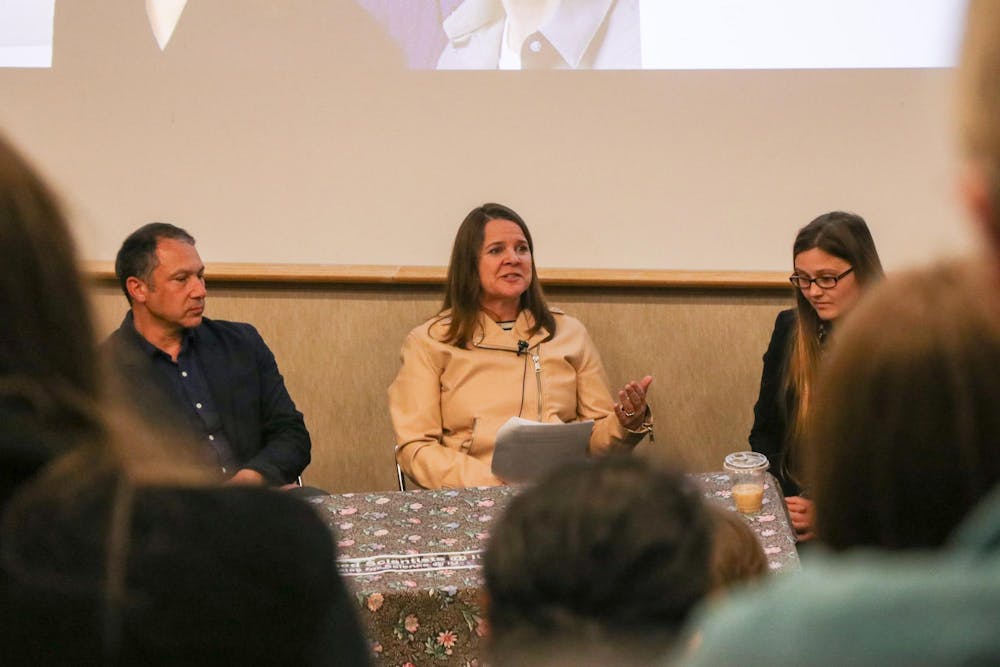
Concerned Scientists at IU hosted this semester’s third community forum Wednesday with “The Future of the Sciences at IU,” a panel discussion on recent changes to federal grant funding, the experiences of graduate and international students and the atmosphere for science research at IU.
The discussion included three science department chairs, a graduate student and Rick Van Kooten, the executive dean of the College of Arts and Sciences. About 30 professors and students attended in-person and another 35 joined online.
Biology chair Armin Moczek, physics chair Mark Messier and anthropology chair Stacie King described an uncertain landscape for professors and graduate students amid cuts to federal grants.
The federal government funded fewer grants for science research this year, and Indiana institutions lost millions in cancelled funding. Earlier this semester, the U.S. Department of Education cut a fellowship funding six IU doctoral students studying physics.
As federal grant opportunities shrink, King said the anthropology department is looking for alternative sources of funding.
Van Kooten said IU is looking to establish corporate partnerships to help pay for graduate students, such as IU’s recently announced partnership with Eli Lilly.
During the question-and-answer session, a graduate student expressed concerns about the impact of corporate funding on academics.
“Tomorrow are we going to be fine with Exxon Mobile supporting O’Neill School of Environment?” the student said. “And when there are no corporates who will look after certain departments like Kinsey, or the Food Institute, they will cease to exist.”
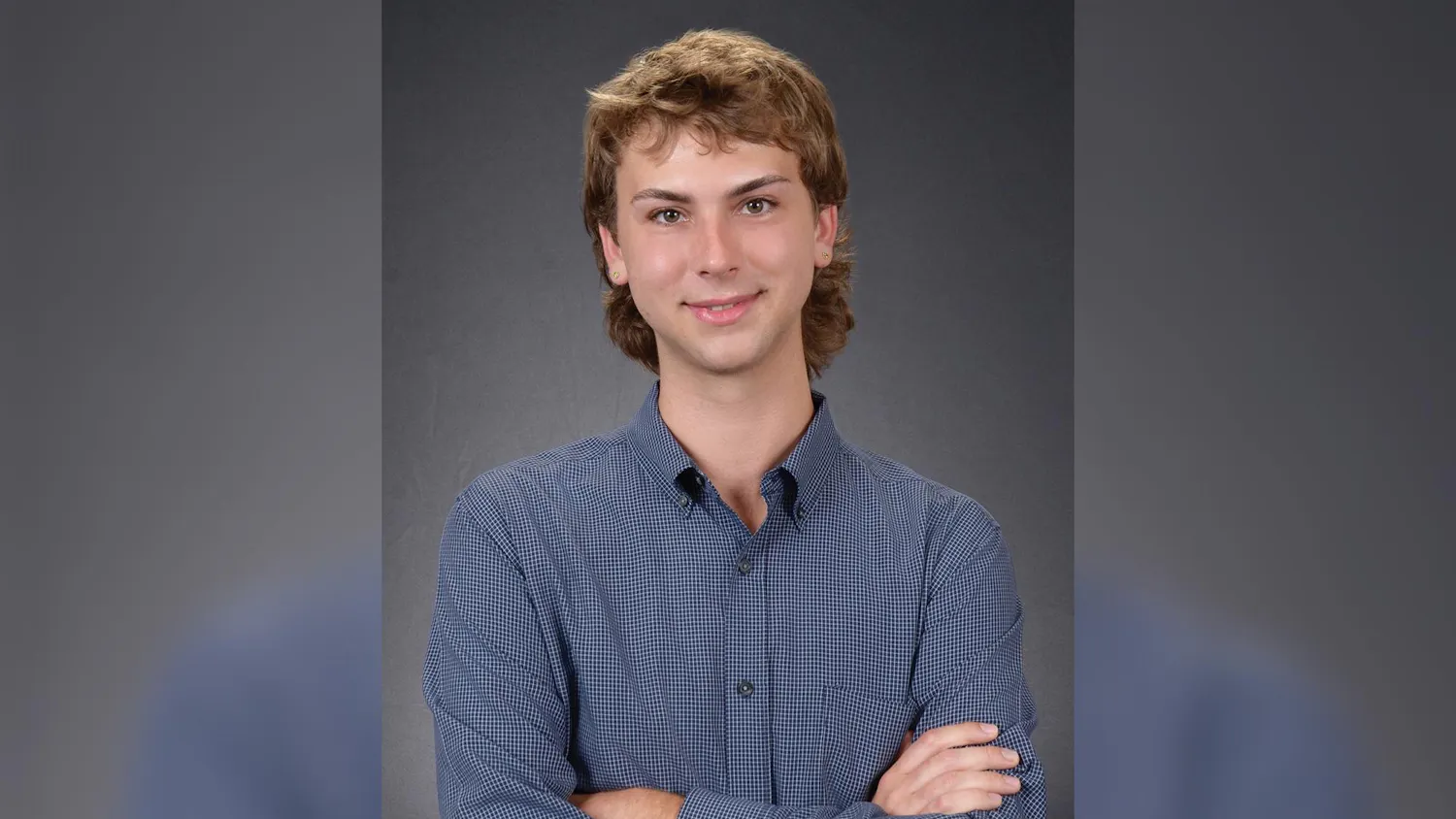
Panelist Amelia Binau, a doctoral candidate in experimental neutrino physics, said the changes to federal funding have added stress and uncertainty for many grad students.
“It's putting a lot of strain not only on our advisors, who are trying to figure out ways to make sure that we can get funded so we can afford our apartments and our food while we pursue these careers, but also just on graduate students themselves,” Binau said.
Several graduate students in the audience grilled panelists, including Van Kooten, about grad students’ wages.
“It's not that particularly complicated,” one student said. “A living wage is a living wage.”
Van Kooten agreed the current wages are too low, but said the administration doesn’t have the finances to increase those numbers while still retaining graduate students.
“We couldn't pay $43,000,” Van Kooten said. “Things would just fall over. We couldn't afford it.”
Panelists also discussed how crackdowns on immigration and H-1B visas have impacted international students.
Binau said she knows international students who are afraid to leave the country for home visits.
“When you're not even sure if you can see your family during the holidays, when everybody else is going home, that's some kind of cruel,” Binau said.
Moczek and Messier said limitations and extra expenses on the processes for issuing H-1B visas have limited efforts to bring in qualified academics.
“We're just hurting ourselves by not bringing the best minds to this country to advance science,” Messier said.
Moczek said IU is facing attacks on sciences and academia from both the federal government and the state legislature, and the administration is staying silent.
Moczek pointed to a recent state law that instituted post-tenure review that takes into account complaints from students.
Senate Enrolled Act 202, passed last year, requires professors to foster “intellectual diversity” in the classroom. Universities can revoke tenure for professors that violate that rule.
Indiana’s 2025 budget bill also added “productivity reviews” for tenured professors, and faculty that don’t meet standards can be put on probation or dismissed.
IU recently sanctioned Germanic Studies professor Ben Robinson following a student complaint asserting that Robinson had violated SEA 202 while teaching last year. In October, IU brought lecturer Jessica Adams under investigation and temporarily removed her from her class on social justice after a student reported her lesson on white supremacy to the office of Republican Sen. Jim Banks.
Moczek said that the rules add work for faculty and administrators while contributing to a “climate of fear” on campus.
In the spring, CSIU submitted a letter to IU President Pamela Whitten and Provost Rahul Shrivastav asking them to speak out in support of science at IU. The letter references state and federal actions including layoffs of scientists at government agencies and the slashing of federal grant opportunities.
CSIU organizer and retired IU professor Michael Hamburger said they never heard back.
Binau said members of IU’s science community need to organize, swap ideas and stay involved in the face of recent challenges.
“A lot of the work that student organizations are doing right now, both undergraduate and graduate, are very important,” Binau said. “And I encourage people to continue to support those organizations and the events that they put on, because communication of ideas is fundamental to the sciences.”