As the weather starts to cool down, students and faculty at Indiana University may see an increase in sniffles, sore throats, fevers and other respiratory symptoms. This sickness, known as the “freshman flu” in college campuses across the country, typically spreads from September to January. New college students, typically freshman, are hit especially hard.
Bloomington’s wastewater disease dashboard shows low levels of flu and RSV viruses, along with medium levels of COVID-19 in local sewage as of Oct. 15. However, with flu season approaching, that could be subject to change. A study from the National Library of Medicine found pathogen levels typically increase from October to December.
Since IU draws students from all over the world, with 51% of students being out-of-state or international, Tom Hrisomalos, infectious disease specialist at IU Health, said the risk of new viruses mixing is higher in a more diverse geographical student body. Students often live in dorms or other forms of shared housing, which makes it easy for illness to spread.
Freshmen have already fallen ill since the start of the fall semester.
“During the first week of moving in, I felt a sore throat and started getting a (high) temperature,” freshman Aman Ashraf said.
Vaccination rates among college-age people are typically low. One study found only 45% were vaccinated with the influenza vaccine.
“I think those symptoms have been all exacerbated by stress, lack of good sleep, you know, poor hygiene,” Hrisomalos said. “We're not washing hands and things like that. And, you know, those been sort of habits make illnesses worse.”
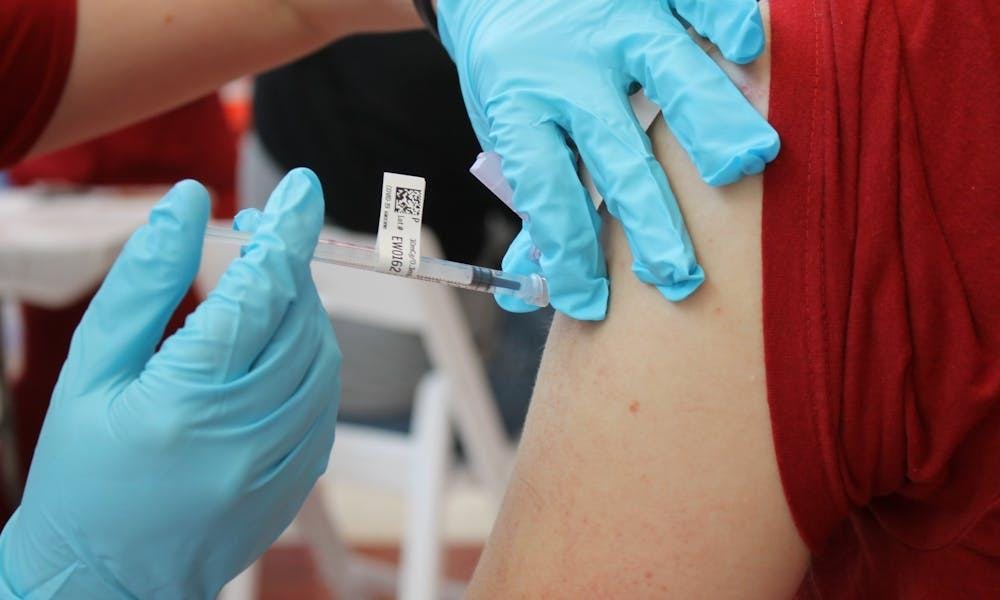
Some students said it’s important to prevent illness by getting vaccinated.
“I took all reasonable measures to prevent sickness, but I always fall ill every year. I will definitely get my flu shot within the next few weeks,” freshman Atharva Khanolkar said.
Freshman Ariv Sahoo agreed with the idea of vaccination, but for a different reason.
“Since my parents won’t be here to take care of me, I want to take extra precautions and make sure I get the vaccine,” Sahoo said.
Hrisomalos encourages students to protect themselves and others from the flu by following a few simple steps. Resting, drinking fluids and washing hands often can help the immune system stay strong.
He also said sick people should wear a mask, avoid crowds and practice good hygiene to prevent spreading the illness to others. The Mayo Clinic recommends over-the-counter medicines like acetaminophen or ibuprofen for relieving fevers, aches and congestion. For some people, antiviral prescriptions for influenza may be an option, but they need to be taken early and only if prescribed by a doctor.
Hrisomalos said flu season typically peaks in Indiana between December and February, but early-season infections can appear as soon as October. The Student Health Center also offers no-appointment flu shots for students, faculty and staff during open hours.