
Two popular horror anthology series are addressing life in the 1950s for Black people. The shows “Them” and “Lovecraft Country,” available to stream on HBO Max and Amazon Prime, takes audiences back to racial injustice over 60 years ago. From the murder of Daunte Wright to the trial of Derek Chauvin, racial tensions in America today are high. These shows can remind viewers of the history of racism in America, despite the ongoing battle against it.
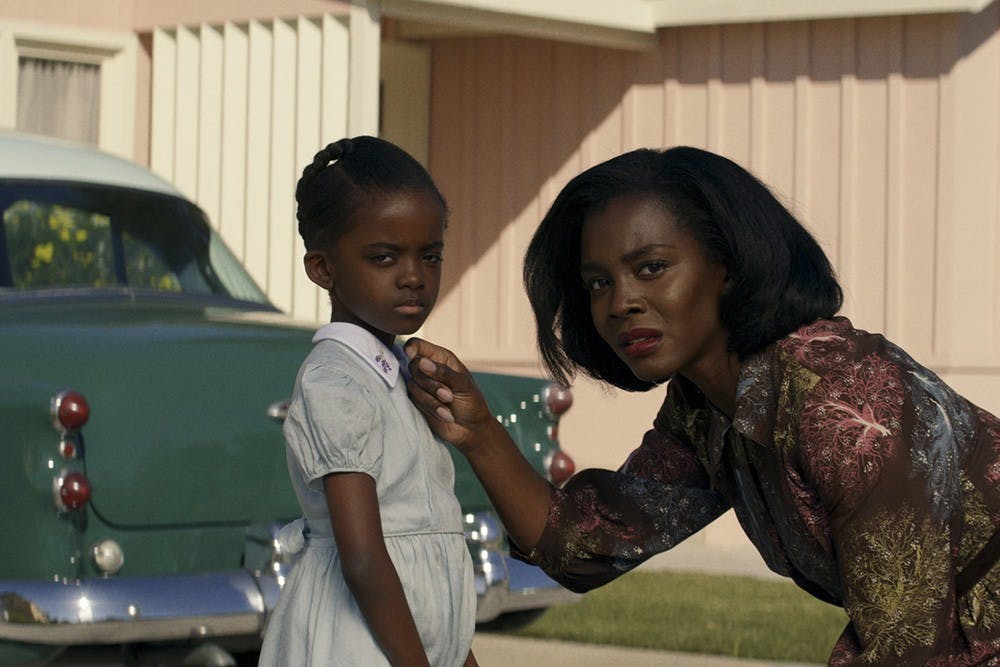
“Them” was released April 9 and focuses on tensions from white people and the microaggressions they place on a new Black family in their neighborhood of Compton, California. The rising tensions and frustration between the white neighbors and the Black family builds throughout the series as terror is inflicted on both parties.
This graphic show discusses segregation, discrimination and racism. The creators use settings and old-time elements to immerse viewers into the world of cinematic horror. There is an array of creepy shops, classic vehicles and eerie music which all gives us the aesthetic of 1950s America.
These elements contribute to the struggles the main characters are experiencing and the way they see the world.
Horror anthologies are works linked together by a host or a connective story that serve as punctuation marks between the other tales, according to Syfy.
If you’ve watched “Them” and “Lovecraft Country,” you will notice these two anthologies share similar themes, while telling two completely different stories. They both capture the essence of what it means to be Black — we are never safe and always seen as the problem.
“Lovecraft Country” focuses on a heroic journey of Black characters using their wit to defeat white individuals who grossly reviled them, according to The New York Times. The show uses magic, monsters and villains to get its point across. “Them” focuses on horror and portraying madness, while “Lovecraft Country” focuses on taking power back and becoming stronger than ever.
But both series reflect one major thing — life for Black people in the 1950s.
The 1950s were the start of change for Black America, sparking the Civil Rights Movement. These shows highlight the struggle against racism and segregation as these issues enter the life of mainstream America. They give Black voices a platform to display how long we have been fighting for respect and equality. Black Americans, in the ‘50s, integrated themselves into the equation and fought for what was right, just as we continue to do today.
In “Them,” a Black family moves into a predominantly white neighborhood. They send their children to predominantly white schools. The father works at an all-white company.
The show gives the viewers a visual representation of how Black people were forced to immerse into white American life. The family fought for their spot at the table and didn’t give up no matter what their neighbors brought against them.
Fights for equality in housing, schooling and employment broke out during the ‘50s. These fights set the tone for the things Black people have access to now. Without the grit and bravery of our ancestors and people such as the family portrayed in “Them,” our world might have never changed.
The family wanted to live a simple life, but their white counterparts would not allow it. They experienced blatant discrimination within their neighborhood, workplace and schools. It was inescapable then and still is now, but the family stood their ground and fought back.
“Them” will offer the same gut-wrenching emotions you may experience when you see any crime committed toward the Black community. Although Black trauma is overly portrayed, “Them” is a historical lesson in never being too comfortable.
In this case, if something makes you uncomfortable, then you are doing something right.
The intention behind both of these series is to show and encourage the Black community to stand strong, stand together and never settle for less.



