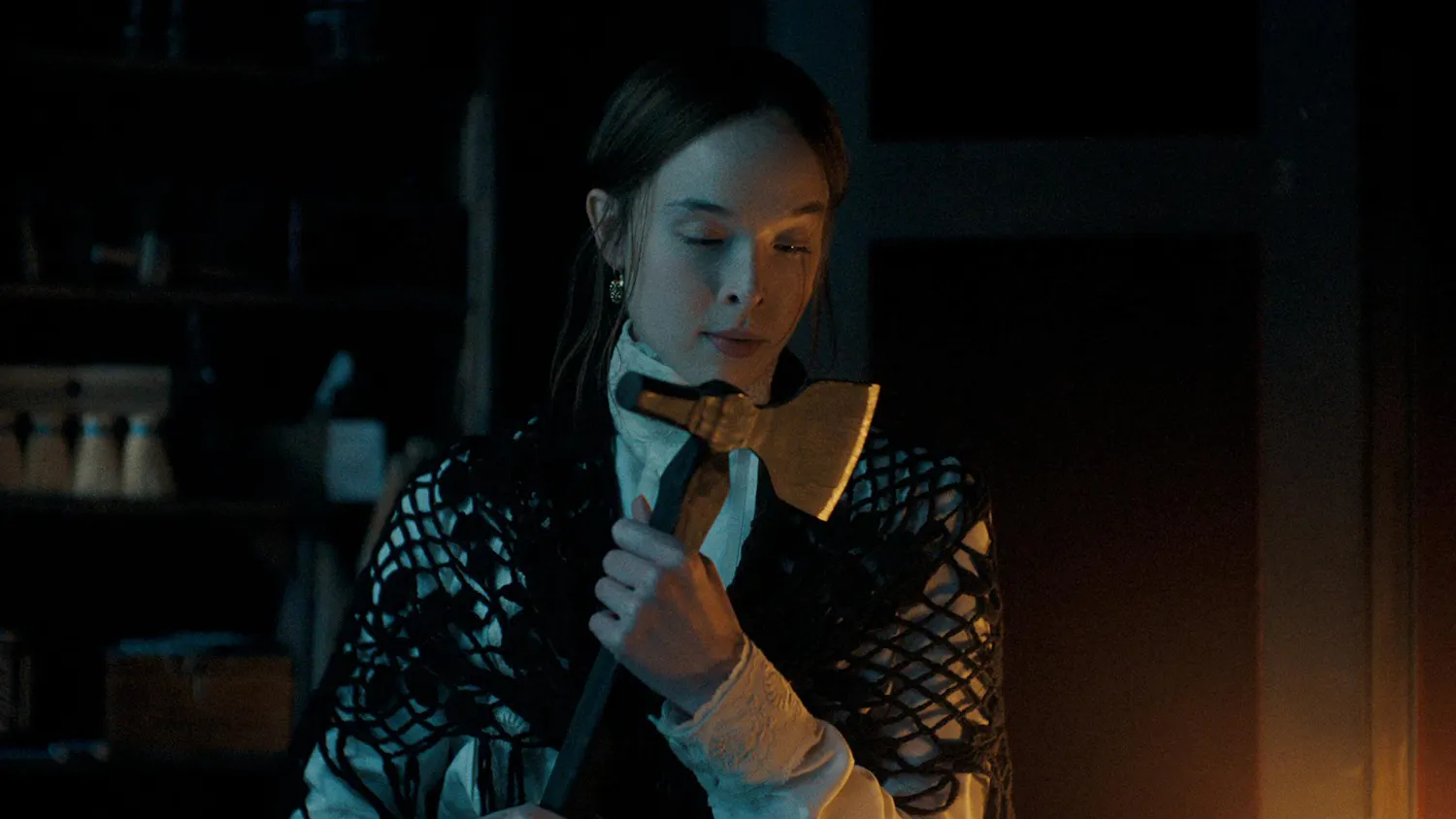
In 2014, writer Madelyn Ritrosky started casting actors for “Stardust & Moonbeams,” an artistic project with ties to Bloomington. The project will not only be a short film, which is now in post-production, but will also be a novel.
That same year, according to the Center for the Study of Women in Television and Film, women held only a small portion of behind-the-scenes roles on major films. Of the 250 top domestic grossing films, women directed seven percent, wrote 11 percent and acted as cinematographers in five percent.
“Stardust & Moonbeams” is set nearly a century ago in the late 1920s, but Ritrosky, who is also the film’s executive producer, said its theme and plot reflect a still-present concern in the filmmaking community: making space for women behind cameras.
“It’s so important to know with this project, the production is about women getting behind the camera, but the film is about that, too,” she said.
“Stardust & Moonbeams” was shot in July at Bloomington’s Farmer House Museum. Since then, Ritrosky said she and the film’s crew have worked on financing the film.
They raised about $3,000 from an IndieGogo campaign in September, she said, and they hope to finish funding and post-production in time to release the film on the festival circuit later this year.
The short film, an adaptation of part of the novel with which it shares the name, concerns a writer and activist named Beth who’s inspired to photograph her husband, Will, after attending a photo gallery that displays only nude women photographed by men.
Ritrosky said realization correlates to a related current problem —in addition to men dominating behind the camera, she said, depictions of women on screen are tailored for men.
“There’s a male gaze that dominates the media,” Ritrosky said.
In keeping with the ideals of the film and novel, much of the film’s crew is female.
“Stardust & Moonbeams” includes female film industry veterans like director Terri Farley-Teruel and director of photography Nancy Schreiber. The crew includes men, too, but Ritrosky said it was important for women to take crucial roles.
“There’s men in many positions, but the goal was we definitely have to have the director and definitely have to have the DP be women,” Ritrosky said. “I wouldn’t have been able to get women in every single possible role.”
Ritrosky, who has written for Entertainment Magazine, said she met Farley-Teruel while covering the Santa Barbara International Film Festival. After reading a draft of the film’s script, she offered to direct the movie.
Schreiber came on board after seeing a notice in an Alliance of Women Directors newsletter. Ritrosky said she attributes Schreiber’s presence to drawing professional crew members from across the state.
Plus, she said, Schreiber, who in 1995 became the fourth female member to join the American Society of Cinematographers, has experienced the film’s thematic focus.
“She has lived this,” she said. “As a woman in cinematography, she knows what it’s like.”
Farley-Teruel and Schreiber aside, many of the film’s major players have local connections.
Ritrosky has a Ph.D. in mass communication and culture from IU, and her son, actor Jared Winslow, is a student at Bloomington North High School. Actress Moli Hall is also an IU alumna.
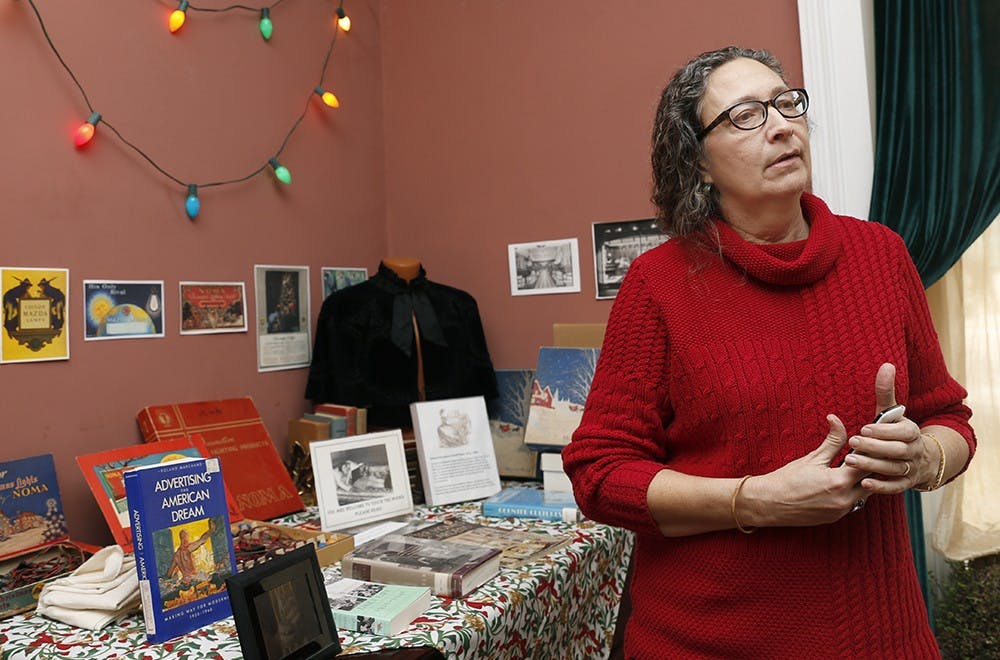
Other Bloomington-based crew members include producer Jo Throckmorton and editor Ryan Juszkiewicz. Farmer House Museum director Emily Purcell also acted as a set decorator, using the museum’s collection in addition to materials from her personal collection and handmade props.
Farmer House assistant Paul Kane said the museum worked as the shoot’s location because of both the film’s setting — the ’20s are an important decade for the museum — and its theme.
“As we’ve begun to develop an identity, we’ve discovered the role of women in art has been the center of what we’ve been up to,” he said. “We also want to look at how women should be playing a larger role in what are oftentimes considered men’s art forms. This movie really speaks to that.”
As “Stardust & Moonbeams” moves through post-production, Ritrosky said she’s aiming to continue raising money and to promote the film through social media.
She said the novel, which she co-wrote with University of Wisconsin-La Crosse professor Dena Huisman, should come out after the film has started on the festival circuit, with the short doubling as a promotional tool for the book.
She’s also working on a feature-length script, she said, which would be an adaptation of the novel as a whole.
“Ideally I will have a completed draft of the feature when the short film is starting to play film festivals,” she said. “You won’t make money on a short film, typically ... but I’m hoping the short is the calling card for the proposed feature film.”
Ritrosky said the number of film festivals has grown in recent years due to the increased availability of film technology.
Some of the festivals she plans to enter the film focus on work by women. On the whole, she said, she wants to aim for top-tier festivals.
“Because Nancy is our cinematographer and we have great actors and a great director, we want to go for festivals that are higher up,” Ritrosky said. “Our film is going to look gorgeous, it has a great message and it’s very timely with all the discussion of women in media, so we have to aim high.”