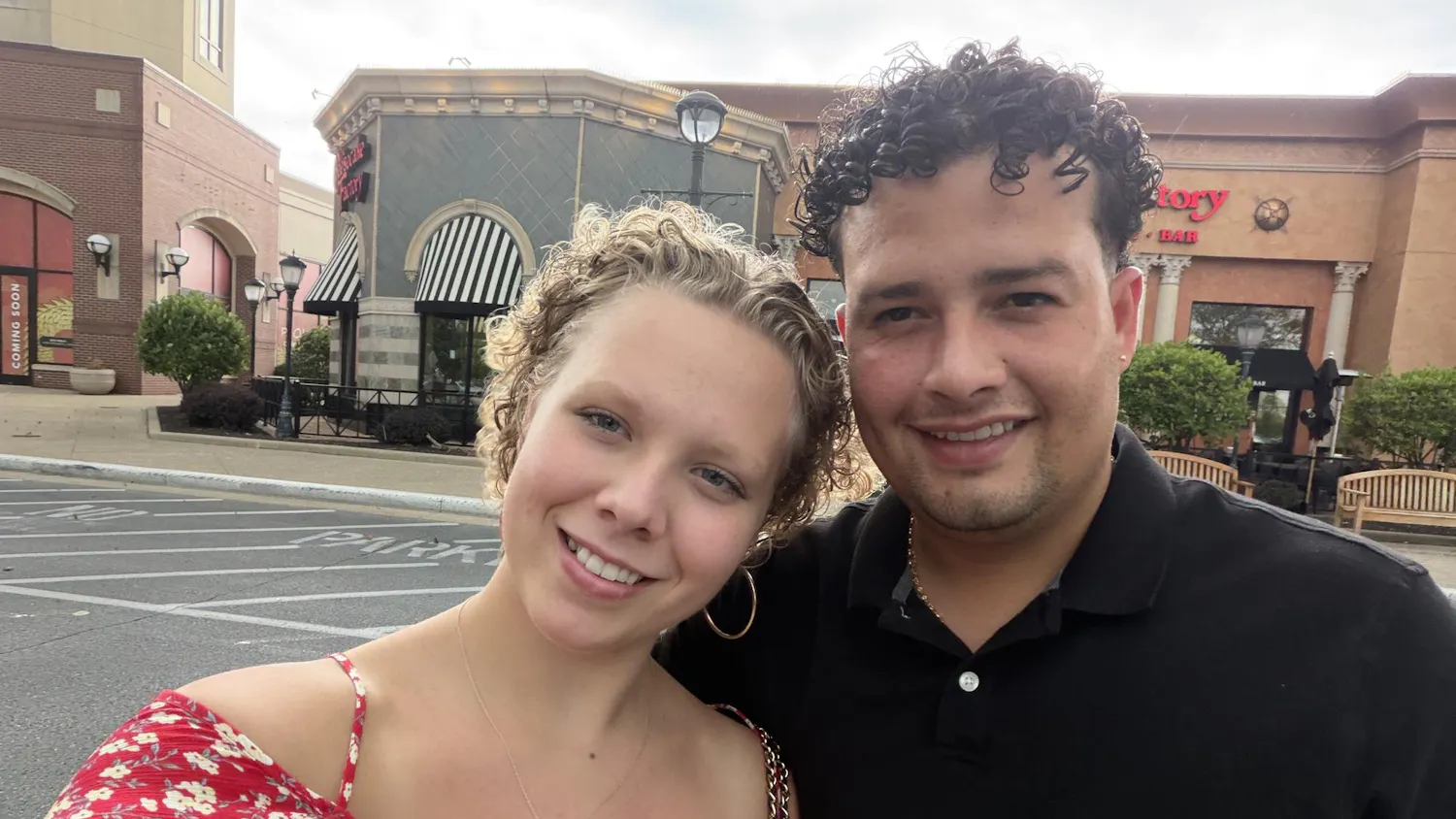
Jackie Daniels is now helping college students who are struggling with problems similar to the ones she had as an undergraduate at IU.
Daniels, who now has her master’s degree and license in social work, dropped out of college in 2000.She was in treatment for addiction by 22.
Daniels received her master’s degree in 2005, but has been working in the field of mental health and addictions for more than 10 years.
She is now the interim director for the Office of Alternative Screening and Intervention Services. Along with 18 interns and staff members, she meets with students who violated the Code of Student Rights, Responsibilities and Conduct or who independently seek help.
“We see mandated students, but we also want to open our doors for people that are on the whole continuum of drinking, worried about a friend, worried about a family member or experiencing a problem themselves and need help,” Daniels said.
Founded in 2003, OASIS is IU-Bloomington’s centralized office for alcohol prevention and intervention. The office works with other campus offices as part of an effort to address college drinking, particularly binge drinking.
According to the 2011 Indiana Collegiate Substance Use Survey, 29.3 percent of IU-Bloomington students reported binge drinking one to two times during the preceding two weeks.23.9 percent reported doing so more than three times.
However, 30 to 50 percent of students were not binge drinking on a regular basis. Binge drinking is defined as four or more drinks in one sitting for females and five or more drinks for males.
About 90 percent of the students who come to OASIS for a counseling appointment are conduct cases, Daniels said.
All students receive a survey to fill out as part of the assessment process. This screening is a way to evaluate the level of risk they have. The first session typically lasts an hour.
The OASIS intern or staff member reviews the survey and develops a relationship with the student.
“It is not just about alcohol,” Daniels said. “It is about their life as a student and about their values and what they believe in and what they want to accomplish as a student. What kind of beliefs they had coming in dictates what they did once they got here.”
Daniels said she personally struggled in college with who she was on a Saturday night versus who she was on a Wednesday morning in class.
“My values of who I believed I was and how I was living my life didn’t match up,” she said. “That is a lot of the conversation we have with students. You say your family and friends are really important to you, but when you black out, you leave your friends. Why is there a disconnect? Why do your values not apply on a Saturday night? That is exactly how I was. It was very easy to forget about the things that were important to me, and I developed a problem.”
While it was a coincidence at first, Daniels said once she started her job and was talking to a student, her personal connection to her work clicked.
“I was talking to a student, and I was like this sounds like me when I was 20 or 21, and I realized on a very personal level,” she said. “And it was eye opening to me that I wasn’t just doing a job but something that I am physically and spiritually linked to.”
Daniels said she thinks it is easy for students to feel lost when they start college.
“You want it to be the best four years of your life, but you don’t realize that all your years after college are going to be the best years of your life too,” she said.
“I think that I felt the desire to help students who were in a similar position to mine, but that is 2 percent of the students we see who have a true substance abuse or addiction problem.”
Daniels said she hopes the harm of the presence of alcohol and drugs can be
reduced.
“No student should lose their life when they decide to go to college for four years,” she said. “It is just pointless and I don’t want it to happen. I think there is something we can all do before that happens. I want students to know we are there as a resource before a friend dies or a friend overdoses or is sexually assaulted.”
IU office seeks to prevent alcohol abuse
Get stories like this in your inbox
Subscribe