Flip books
Started in 1868, the flip book is essentially a primitive form of animation. Like motion picture animations, the flip book relies on the vision of the watcher. The flip book is made up of various pictures, and when the pages are flipped, the brain fills in the gaps and it seems as if the drawings are moving. Portable, cheap and available in any drugstore, the flip book is still used for fun today.
Traditional animation
After the flip book came the traditional type of animation. Also known as 2-D or cel animation, this is the most popular type of animation and is mostly used in North America. Cartoons such as “Darkwing Duck” and “Looney Tunes” utilize this type of animation. This style includes full animation, which is a high-quality film, limited animation, which includes fewer details, and live-action animation, which is when the animated characters interact with real people, such as in the film “Who Framed Roger Rabbit?”
Anime
This is a style of animation from Japan. Although anime first started by using techniques from the West, as time passed, the techniques changed and became their own style. The first anime broadcast was in the 1960s in Japan. Stereotypical anime cartoons are known for their large, expressive eyes, small noses, shouting characters and martial arts action sequences. With shows like “Cowboy Bebop,” “Dragon Ball Z” and “Sailor Moon,” anime has become increasingly popular not only in the East but also in the West.
Stop motion and claymation
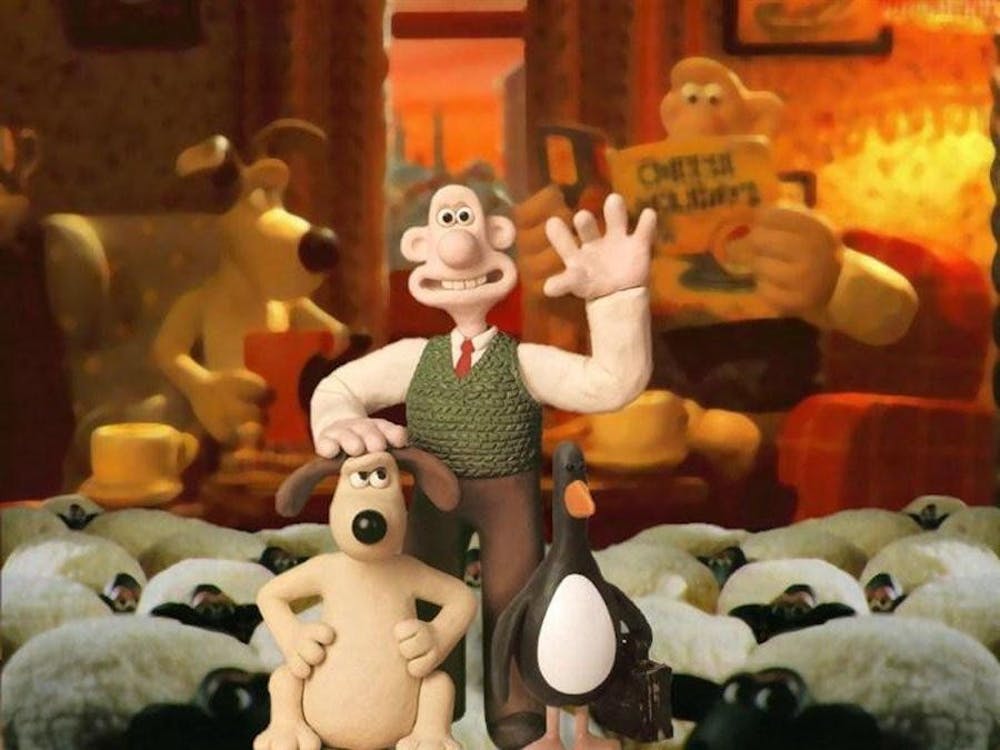
These styles are different from other forms of animation. Instead of drawing a character, animators make them out of clay, paper or other materials. For each segment a person must take a picture of the figures, then move them and photograph them again. Eventually all of the pictures create a stop-motion film. Some of the most famous examples are “Gumby,” “Wallace and Gromit” and “Robot Chicken.”
Computer Generated Imagery
One of the most popular and well-known types of animation today is CGI. The first complete CGI feature film was “Toy Story.” Like traditional animation, CGI is tedious. The principal difference between CGI and traditional animation is that drawing is replaced by 3-D modeling, a sort of virtual version of stop motion. Since the success and popularity of “Toy Story,” many more movies have been designed with CGI, both in fully animated films like “Shrek” and in live action films like “Avatar.”
Exploring five styles of animation
Get stories like this in your inbox
Subscribe