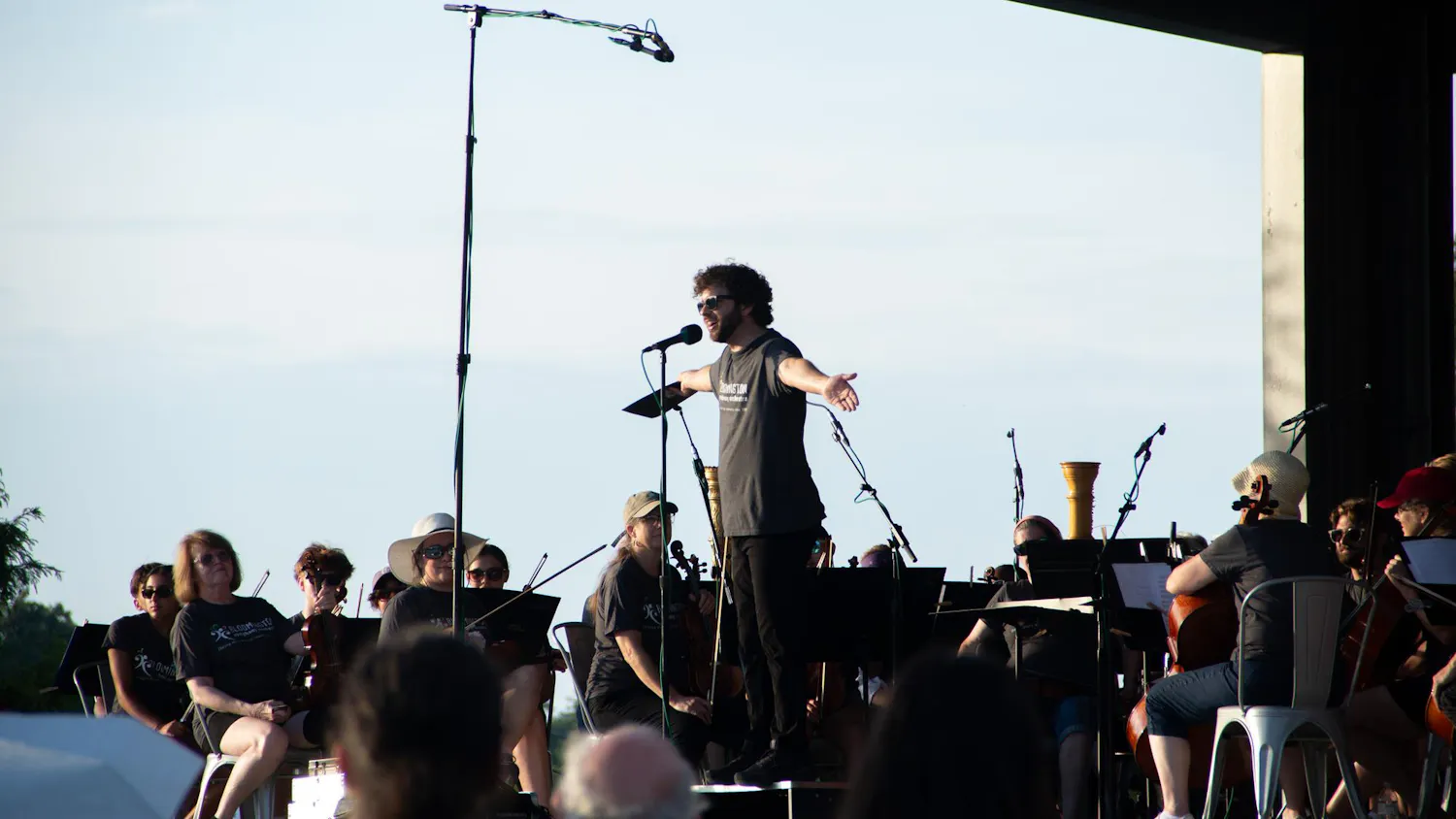
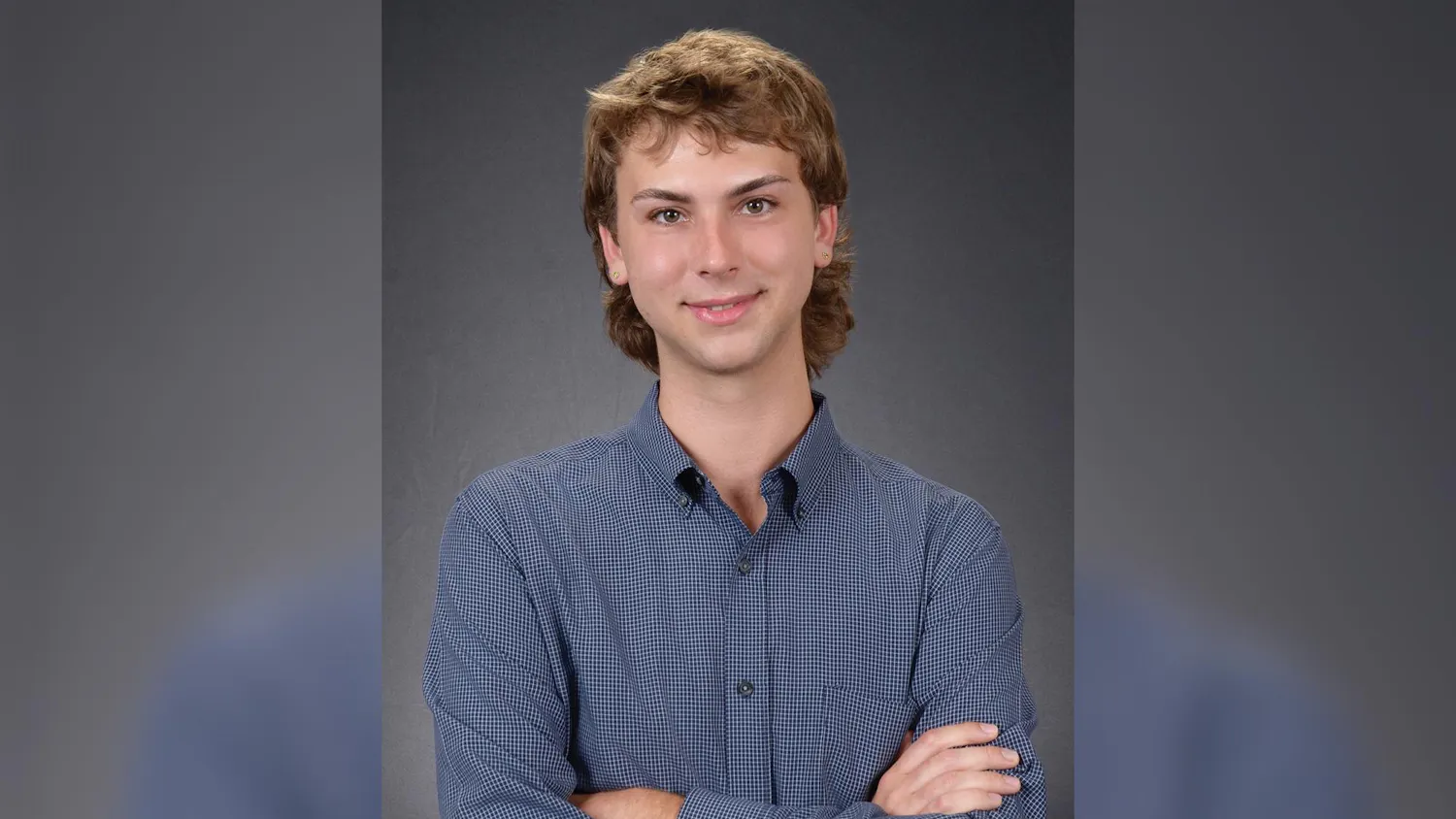
Documentary filmmaker Albert Maysles lectured and presented four of his films at the IU Cinema on Thursday and Friday. On Saturday, he sat down with the IDS to discuss his early career in psychology, his direct cinema style and the idea of truth in cinema.
IDS What was it about psychology that appealed to you?
ALBERT MAYSLES It all started actually earlier, about when I was maybe 10 years old. I ran across a book entitled, “Architects of Ideas: (The Story of the) Great Theories of Mankind,” and it had some 16 chapters devoted to a great thinker ... Among them was Sigmund Freud, whom I never would have known otherwise. All these great thinkers never entered any of my high school learning. But I understood the idea of the importance of the subconscious. The whole idea that you could actually study the mind appeals to me a great deal. So for many years thereafter I was intrigued by the possibility that you could have a science of the mind.
IDS Can you talk about the parallels between direct cinema and new journalism that were coming out basically at the exact same time?
MAYSLES Very close. Suddenly I had an obsession with getting the real thing and reporting it authentically. I still have a difficulty accepting what some people think is a betterment in documentary ... (which is) blurring the lines between fact and fiction. I don’t see any charm. Although I would say that if someone wants to do that then they have every right to do so, but they should somehow make the viewer aware that they have committed themselves to that style. Because all too often tricks of fiction become part of the documentary process and we’re fooled into thinking that it’s the real thing.
IDS Along those lines, with the films of Michael Moore, for example, how does that change the message?
MAYSLES Well, I think that any serious viewer has to question his work because everything he does is with the determination to prove his point, so any evidence that might question his purpose is left out of the film, and you’re left with a piece of propaganda. He has said that he doesn’t have to get people, they’ll do it to themselves. That’s quite a nasty attitude. There’s a film called “Michael Moore Hates America,” and I’m in that. These guys came to me. They said they were going to do a film about Michael Moore. I said OK, so I gave the kinds of criticism that made sense, the same sort of thing that I told you, and right as I was finishing, I heard one of them say the title of this film was going to be “Michael Moore Hates America,” and I said I don’t want to be in this film, that’s not right, and they wouldn’t take me out. I guess the irony of it is that as much as they hated Michael Moore and made a film which is a diatribe against him, they were using the same techniques themselves.
IDS Can you talk about the parallels between Jeanne-Claude and Christo and how you and your brother worked? You wrapped an experience in film like they wrapped physical objects.
MAYSLES The similarity — I wouldn’t use the word ‘wrapped,’ necessarily — the similarity is that what happens on its own becomes the inherent part of the project, and that’s obvious in my filming, and it’s obvious in their projects. They said the whole process is connected with real people reacting to it, when those gates go up or the running fence takes place, people make their own judgment as to whether it’s a work of art or not. They’re quite content with letting that be. They don’t try to control it nor do they try to make it permanent. They realize that it’s temporary.
I was on the bus one day and (a friend) shows me this photograph he took with a panoramic still camera, so you can see all of Central Park and Fifth Avenue beyond, with the sky of course, but it had one thing added to it, not by an artist but by nature: a rainbow that went from one end to the other. I like to mention that because if nature can do it, why shouldn’t human beings try to add? It’s perfectly legitimate for an individual to try and add something to nature.
IDS You think of yourself as an author more than a director.
MAYSLES My brother and I had a little difficulty with Charlotte (Zwerin, editor of “Gimme Shelter”) in credits. We wanted to give her full credit equal to ours, but she felt that we should all get director credit, if only for the case that when awards are given they don’t give them to filmmakers, they give them to directors and from that practical point of view, deceptive as it is, we agreed with her and gave ourselves director credits. In most of our films it doesn’t say filmmaker, it says director.
Maysles explains career, cinema
Get stories like this in your inbox
Subscribe